| OCR Text |
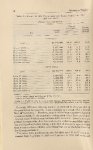
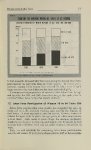
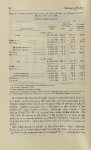
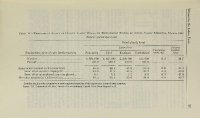
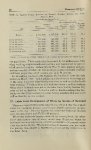
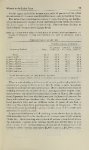
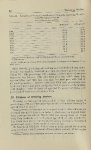
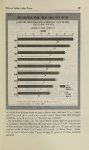
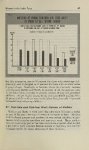
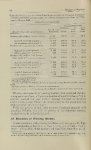
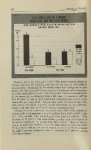
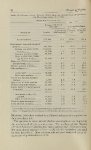
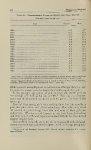
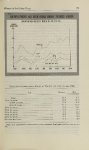
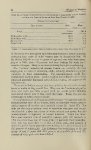
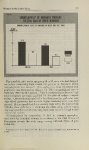
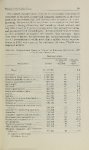
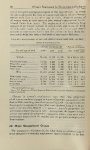
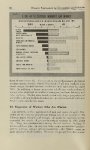
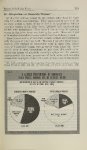
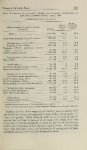
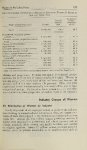
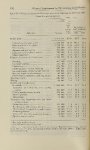
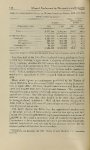
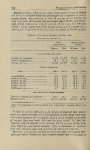
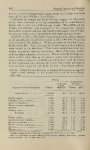
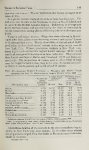
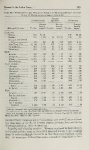
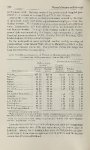
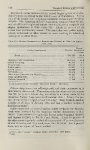
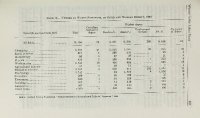
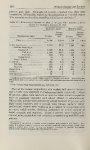
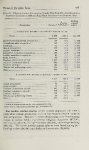
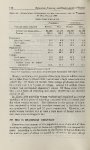
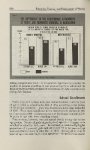
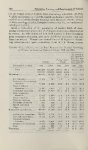
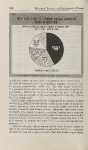
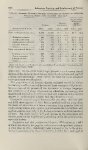
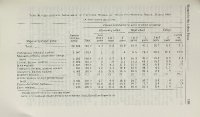
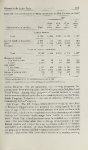
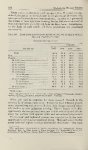
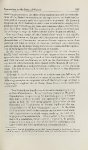
Show 4 EDUCATION, TRAINING, AND EMPLOYMENT OF WOMEN One of the most important determinants in a woman's employment is the amount and type of education or training she has received. It affects the likelihood of her employment, the regularity of her em ployment, and the type of job she holds. Any discussion of women workers, therefore, would be incomplete without some recognition of the vocational benefits that accompany the social and cultural values of education. Moreover, the amount of trained womanpower available is of particular significance to the in this era of technological change growth of our economy. Education of Women in the Population and Labor Force 1 In March 1964 women 18 years of age and over in the labor force had somewhat more schooling on the average than did all women of this age group in the population-12.3 years for workers and 12.1 for the population (table 84). Ten percent of the women in years the labor force had completed 4 years or more of college compared of the woman population. Similarly 41 percent with 7 only percent of the women in the work force had completed their education with women in high school graduation compared with 36 percent of the the population. At the lower end of the educational scale, only 20 of the women workers had an grade education or less eighth percent And compared with 28 percent of the women in the population. in women with less than 5 years of schooling were twice as prevalent differ less is there men the population as in the labor force. Among between the educational attainment of those in the labor force and those in the population, since a much larger proportion of men ence than of women are employed or seeking work. 1 See also "Trends in Educational Attainment of Women," Women's Bureau, U.S. Department of Labor, January 1965. 171 |