| OCR Text |
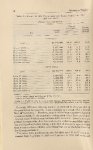
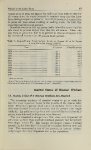
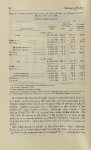
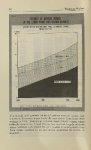
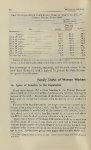
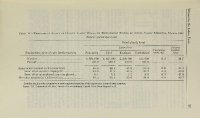
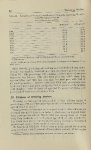
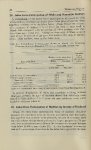
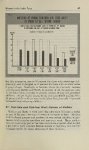
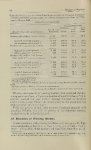
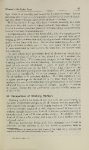
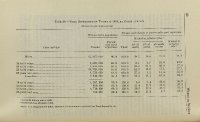
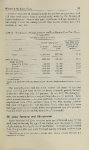
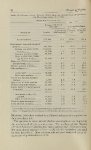
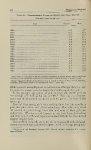
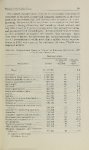
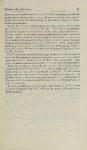
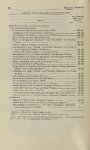
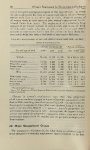
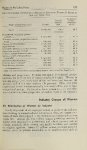
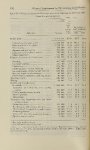
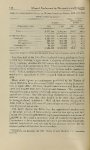
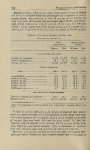
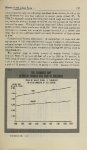
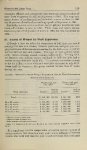
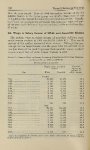
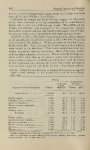
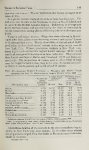
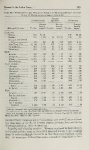
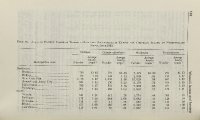
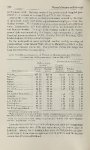
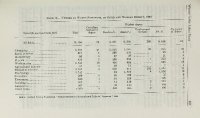
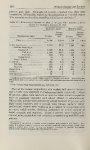
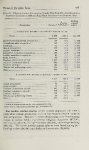
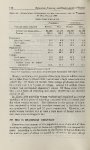
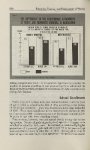
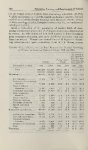
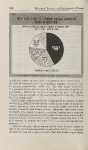
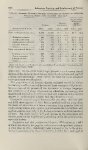
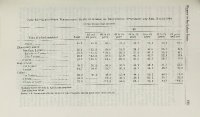
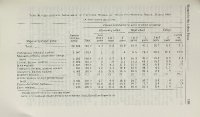
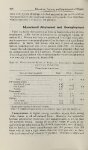
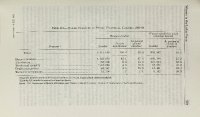
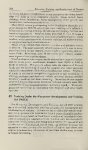
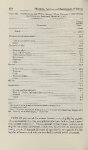
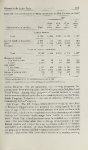
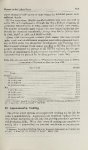
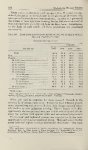
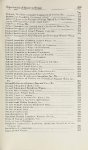
Show Women in the Labor Force 159 75. Salaries of Professional and Technical Hospital Personnel (NonnursingJ Among women employed in private hospitals in professional oc cupations other than nursing, medical social workers generally were the highest paid in 1963 (table 77). Their highest median salary ($137.50) was in San Francisco-Oakland; their lowest ($101), in Philadelphia. Medical record librarians were paid more than dieti tians in some areas and less in others; their highest weekly salary ($125) was in New York City and their lowest ($92) in Philadelphia. The median weekly salary of dietitians ranged from a low of $89 in Dallas to a high of $108 in Buffalo. Medical technologists received their lowest median weekly salary ($78.50) in Philadelphia and their highest ($120.50) in San Francisco-Oakland. Physical therapists generally received higher earnings than did medical technologists; therapists had their lowest median weekly salary ($88) in Boston and their highest ($113.50) in Los Angeles Long Beach. X -ray teohmiciams were the lowest paid of any of these occupations-their median salary ranged from $66.50 a week in Philadelphia to $913.50 a week in the two California centers. 76. Salaries of Scientists A report on the economic and professional characteristics of approx imately 224,000 full-time employed civilian United States scientists listed on the National Science Foundation's National Register of Scientific and Technical Personnel in 1964 gives information on the salaries of women scientists by major scientific field. Women scientists were 8 percent of all registered scientists and num bered 17,104 (table 78). Three-fourths of the women scientists were in four major fields: chemistry (25 percent), psychology (22 percent), biology (18 percent), and mathematics (10 percent). Subfields in which the greatest numbers of women were found were clinical psychology, biochemistry, organic chemistry, analytical chemistry, numerical methods and computation, and microbiology. Educational attainment of women scientists was high: 32 percent had a doctorate, 2 percent had a professional medical degree, 38 percent had a master's degree, and 27 percent had a bachelor's degree. reported less than a bachelor's degree. Fewer than 1 percent The greatest number of women Ph. D.'s was among psychologists biological scientists. Women with a master's degree were chemists, biological scientists, or mathema and primarily psychologists, ticians. chemists. Women scientists with only a bachelor's degree were mainly 779-555 0-66--12 |