| OCR Text |
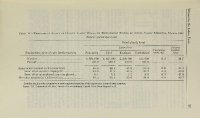
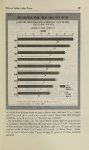
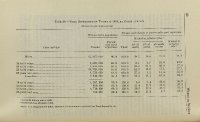
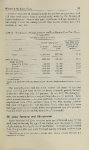
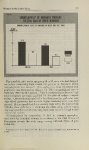
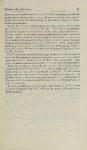
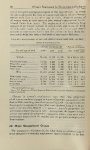
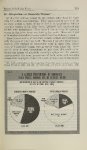
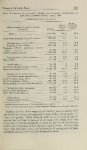
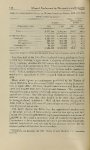
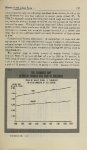
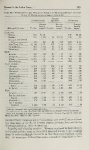
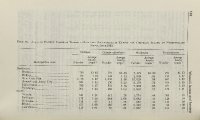
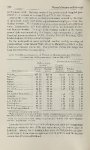
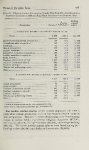
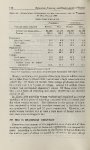
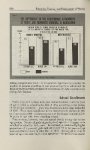
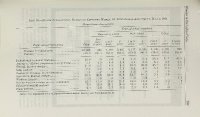
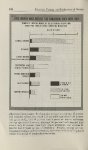
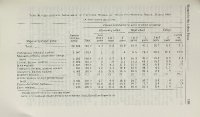
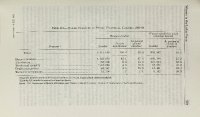
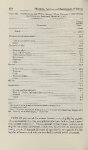
Show 219 Women in the Labor Force and standards as well as in worker qualifications and performance were discussed. A second consultation, held in February 1965, focused to a large extent, as did the earlier meeting, on private and government directed toward improving the status of and other programs training attractive. private-household work and making the occupation more ational aN established The participating nongovernment organizations Committee on Household Employment to coordinate the efforts of the concerned with upgrading the status of the many private organizations standards, and promoting the expansion of job occupation, developing nationwide Job opportunities in accordance with the objectives of the John President launched That by program, Development Program. ·and extension of son on February 1, 1965, calls for the development employment opportunities in a variety of service-type occupations- in business, at home, on the farm, and in the 'community-to provide jobs for the unemployed and underemployed. The Women's Bureau and the National Committee on Household in programs developed at the two are engaged Employment currently consultations and in initiating projects under the Job Development Program. Private-household workers include women employed in households general household workers, housekeepers, maids, cleaning women, as laundresses. or Wages paid in this occupation are extremely low. Women private household workers who worked full time the year round (slightly more than one-fifth of those employed) in 1964 earned a median of only which includes wage and Their median total cash income, $1,082. insurance and self-employment income as well as all forms of social out of 10 of all 7 Almost public assistance payments, was only $1,265. women $1,000. private-household workers had total cash income under $2,000 total cash income. of women private-household work Just over 1 out of 10 had as much as The low annual wages (income) reflect not only their low rates of pay, but also the intermittent character of their employment. At the time of the 1960 census/ less than 3 out of 10 of all women workers were working part time (less ers than 35 hours a week), but more than half of the women private time. Moreover, while half household workers were working part of all women workers were employed a full year (50 to 52 'weeks ) , only 4 out of 10 private-household workers were so employed. Full-time private-household workers tended to work considerably Thus at the time of women did. hours than other . longer employed the 1960 census almost 45 percent of the full-time private-household workers worked from 41 hours a week to more than 60 hours a week. , All 1960 census data in this section exclude baby:itters. |