| OCR Text |
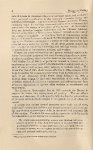
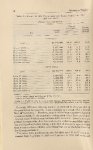
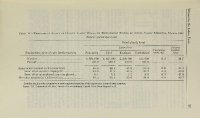
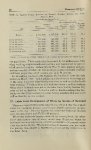
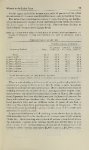
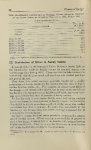
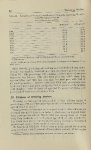
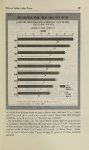
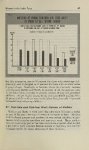
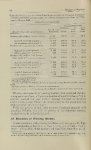
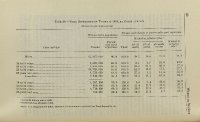
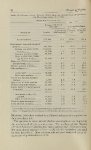
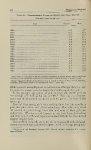
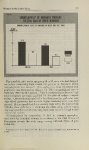
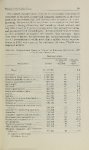
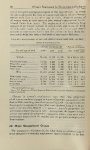
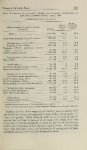
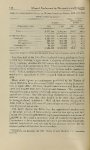
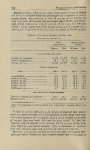
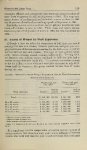
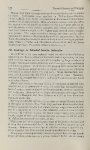
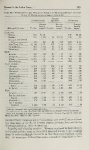
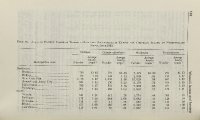
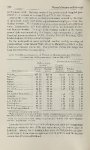
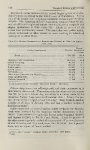
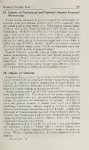
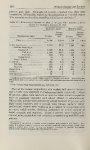
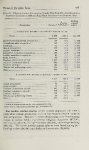
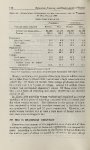
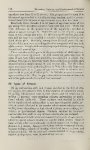
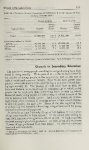
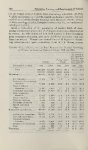
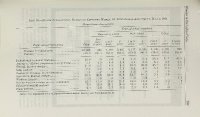
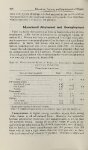
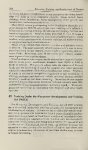
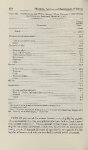
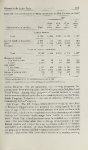
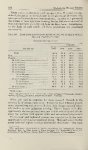
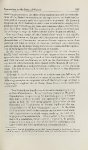
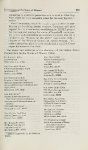
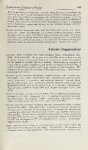
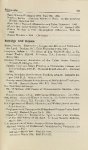
Show 65 Women in the Labor Force unemployment in relation to part-time and full-time work comes from a special study made by the Bureau of Labor Statistics.v Oneof the most significant findings reported in this study is that the unemployment rate among women part-time Another of measure workers is very low. Table 31.-UNEMPLOYED WOMEN LOOKING FOR FULL-TIME OR PART-TIME WORK, BY AGE, 19641 (Women 14 years of age and over) Women looking forFull-time work Age Total ___________________ 14 to 19 years __________________ Major activity: Attending schooL All other 20 to 24 years 25 to 54 years __________________ __________________ 55 years and over 1 Annual ________ ________________ _______________ Part-time work Looking for part time work as a percent of all unemployed women 1,268,000 337,000 21. 0 273,000 137,000 33.4 41,000 231,000 241,000 636,900 118,000 91,000 45,000 35,000 129,000 35,000 68.9 16.3 12.7 16.9 22.9 average. Source: U.S. Department of Labor, Bureau of Labor Statistics: Employment and Earnings, January 1965. unemployment rate for adult women (20 years of age and over) working part time in the combined lO-month period January In contrast, the unemploy to October 1964 was only 4.4 percent. Like ment rate among adult men on part-time jobs was 6.4 perce-nt. un lower adult women, teenagers who were part-time workers had a worked employment rate (11.8 percent) than those who usually full time (17.6 percent). On the other hand, adult men who were full-time workers had a much lower unemployment rate (3.8 percent) than did adult women on full-time jobs (5.5 percent). The 38. Labor Turnover and Absenteeism Labor turnover.-Labor turnover rates are influenced more by the skill level of the job, the age of the worker, and the worker's record of job stability than by the sex of the worker. A recent survey showed was more that younger workers than changing jobs Monthly Report Department (}f Labor. 21 on the Laobr frequent among F(}rce, October 1964. Bureau of Labor Statistics, U.S. |