| OCR Text |
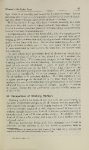
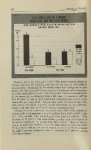
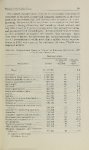
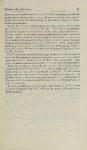
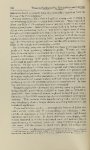
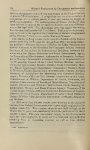
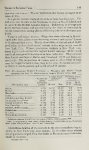
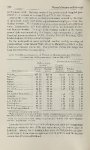
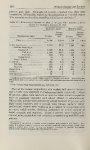
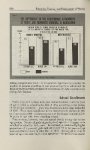
Show Education, Training, and Employment of Women 220 In contrast, 25 percent of all women who worked full time reported these long hours. The 1960 census data disclosed other characteristics 'Of women private-household workers: 65 percent were nonwhite; their median age (46 years) was about 6 years more than that of all women in the labor force; more (54 percent) lived in the South than elsewhere; relatively few (11 percent) were "live-in" workers; and they had completed 8.4 years of school as compared with 12.1 years for all women in the labor force. Most significantly, a high proportion (an estimated 15 percent as a minimum) of women private-household workers were heads of families. Private-household workers, as a group, clearly are disadvantaged economically. In addition, they are disadvantaged legislatively. While they are covered by social security if they earn a minimum 'Of $50 from any 'One employer in a calendar quarter, they are virtually excluded from 'Other protective legislation from which most workers benefit. |