| OCR Text |
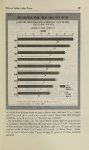
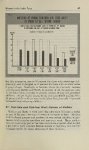
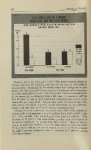
Show 223 Women in the Labor Force demand in this group affecting women will be for teachers at all levels of education, but especially college teachers. J obs for medical and will dental as for all the health services occupations, also technicians, be plentiful. Service workers are another occupational group that will increase women will be in the next decade. Among them, and other greatest demand as practical nurses, attendants in hospitals fountain and workers, and institutions, waitresses and COQks, counter rapidly during charwomen and cleaners. Both clerical and sales workers also are ex There will be many part-time pected to' increase greatly in numbers. opportunities for women in these occupations, as a Among white-collar workers, the manager-proprietor group whole will increase somewhat, Among blue-collar workers, the grQUP of craftsmen, foremen, and kindred workers will show the greatest . increase, while that of operatives will grow somewhat more slowly Jobs for unskilled workers will decline. Since turnover is generally greatest in occupations in which young numbers of them leave the labor are than in the last few years, women employed=-because large much force to' be married-the number needed for replacements is 8 than that needed for additional jobs. For example, about greater to' be replaced each year, percent of all elementary school teachers need be but the net growth requirement in this occupation is estimated to only 2 percent annually from 1964 to 1975. The overall effect of both the divergent trends in manpower re of quirements in industry and the shifting occupational composition the labor force within industry will be a continued strong demand in corning years for workers with high levels of education, skill, and with little school training. Conversely, job opportunities for those ing and training will continue to' decrease. This clearly indicates that women must take advantage of all the education and training available to' them and develop their talents and abilities to' the fullest extent possible. In this era of rising demand for more skilled workers and of accelerated automation, women must be positive and flexible in their atJtitudes-willing to' learn and willing to make They must he alert to' new job opportuni necessary changes. ties and to' new training programs. Only if they are fully prepared to learn anew, will they be by education, training, and the willingness tomorrow's of demands 'and society. f.or the challenges ready 779-555 0-66-16 |