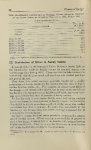
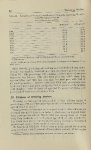
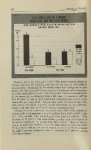
| OCR Text |
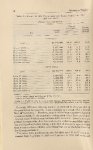
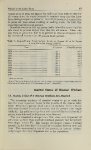
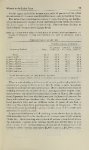
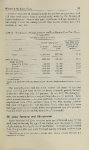
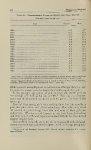
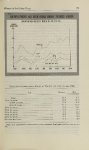
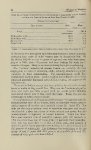
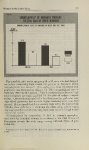
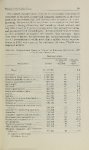
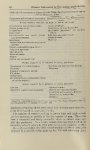
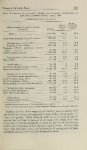
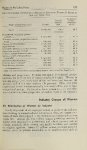
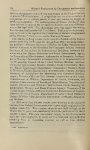
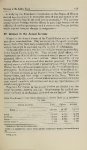
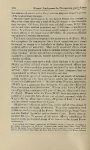
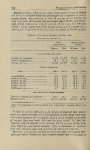
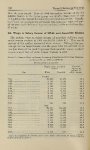
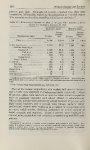
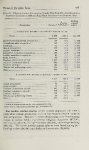
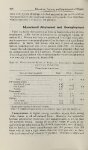
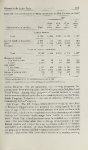
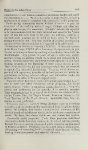
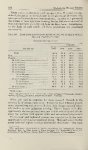
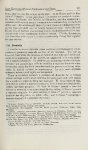
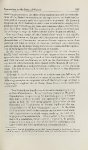
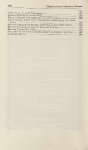
Show Women as Workers 72 Table 33.-UNEMPLOYMENT RATES OF WOMEN AND MEN, 1947-64 (Persons 14 years of age and over) Women Year 1964 _ 1963 _ 1962 _ 1961 _ 1960 _ 1959 _ 1958 _ 1957 _ 1956 _ 1955 _ 1954 _ 1953 _ 1952 _ 1951 _ 1950 _ 1949 _ 1948 _ 1947 _ Men 6.2 4. 7 6.5 5.3 6.2 5.3 7.2 6.5 5.9 5.4 5.9 5.3 6.8 6.8 4.7 4.1 4.3 3.5 4.3 3.9 5.4 4.9 2.7 2.4 3.1 2.4 3.9 2.6 5.3 4.9 5.4 5.5 3.6 3.3 3.2 3.7 NOTE.-Data for years prior to 1960 are not strictly comparable, since they exclude Alaska and Hawaii and because of the introduction of decennial censuses into the estimation procedure in 1953 and 1962. Source: "Manpower Report of the President and A Report on Manpower Requirements, Resources, Utilization, and Training by the U.S. Department of Labor." March 1965. Older women's unemployment, in contrast, was of longer duration; and the older the women were, the longer they had to search for a job. In the youngest age group, 14 and 15 years old, 24,000 girls on the average were looking for jobs in 1964.29 This was an unemploy ment rate of 5.9 percent compared with 9.0 percent for boys of the same age. Most of these young girls were seeking their first job, usually a, Normally, only about 12 percent of girls this age have jobs, and most of these girls are babysitters. Whether school dropouts or not, their limited schooling and their lack of skills and experience make it difficult for them to find regular employment. This problem is equally great for 16- to 19-year-old girls, although their educationaland skill level is higher. Girls in this age group have part-time job to fit in with school attendance. 29 Employment and Earnings, January 1965. ment of Labor. Bureau of Labor Statistics, U.S. Depart |