| OCR Text |
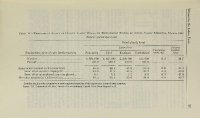
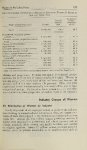
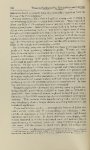
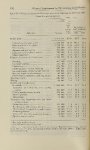
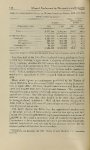
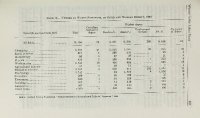
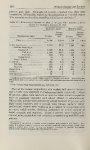
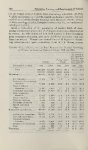
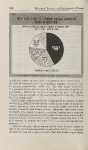
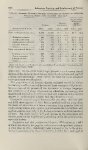
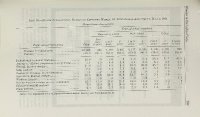
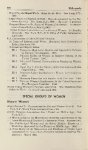
Show 208 Education, Training, and Employment of Women dividuals for gainful employment in any occupation involving knowl edge and skills in home economics subjects. These include foods, clothing, home furnishings, home child and management, growth development, and consumer education. The 152,008 women participating in the distributive education pro gram during the 196364 school year were studying such subjects as salesmanship, buying, pricing, advertising and display, fashion, and business organization. Some students, employed at least 15 hours a week in a distributive occupation, were in cooperative programs, which combine work experience with classroom training and enable students to complete their high school education. About 112,040 women were enrolled in trades and industry courses in 1963-64. The most commonly offered courses in this area in recent years have been beauty culture, power-machine operation, and con sumer foods. More than 3,000 of the trades and industry students were in general continuation classes. Vocational courses for women health workers have expanded notice ably in recent years-enrollments increased from 38,000 in 1956 to 64,241 in 1963-64. This growth reflects both the stimulus of Federal funds and the increasing demand for hospital and other personnel required to supplement the services of professional nurses. Programs of study in the health occupations supportive to the professions of nursing, medicine, and dentistry include practical nursing, certified laboratory assisting, and dental assisting. More than 50 new regular programs for practical nurses have been initiated annually since 1956, and dental assistant training has been increasing rapidly. These pro grams are carried out in cooperation with hospitals and other health agencies. 89. Training Under the Manpower Development and Training Act (MOTA) The Manpower Development and Training Act of 1962 provides for a diversified nationwide training program for unemployed and underemployed workers. Allowances are available for certain train ees, such as persons who have had at least 2 years of gainful employ ment and who are heads of families or members of households whose head is unemployed, members of farm families with less than $1,200 annual net family income, and young people between the ages of 17 and 21 who are out of school and cut 'Of work. In 1963 the program was expanded to serve persons who need basic education and others who require supplementary allowances or part-time employment to enter or remain in training. |