| OCR Text |
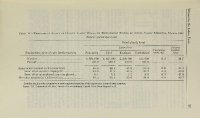
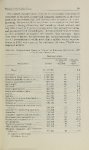
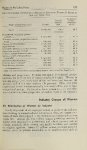
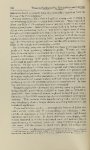
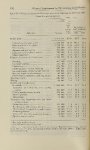
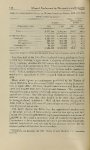
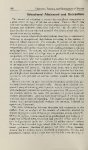
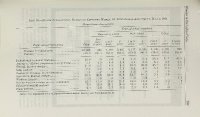
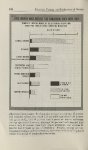
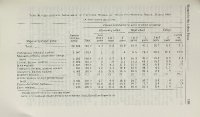
Show Women in the Labor Force 25 dren were grown and no longer living with them and many childless yDung oou pIes. Families headed by a woman had a somewhat different composition. Of the 4.9 million such families in 1964, more than two-fifths con sisted of two members, almost one-fourth consisted of three members, and the remainder consisted of four or more members. N early half of the women were widows, and two-fifths were separated Dr divorced. More than half of the women had no own children under 18 years of age, but 17 percent had one own child and 31 percent had two children. Moreover, more than half of the women fam heads had children under 18 years living with them who were ily related to them but were not their own. About 18 percent of those O'r more own with own children had children under 6 years of age. Twenty-two percent of all women family heads were nonwhite; they numbered 1.1 million. 17. Unrelated Individuals in the In addition to' these Population family groups of related individuals, there were about 7 million women and 4.4 million men classified as "un related individuals," who were not living with relatives. About 5.8 mi llion of these women had their own homes or apartments and were living independently as "primary individuals." As a grO'up, these were older women (median age over 60 years), and most were widows. The other 1.2 million women in this classification, most of whom were in their thirties and single, were mainly roomers, boarders, hotel guests, and resident employees. lB. Labor Force Participation of Women in Different Types of families The labor-force participation rates of women vary among the dif ferent types of. families. Obviously, women who do not have hus bands are more likely to' work than are those with husbands. Half of the women family heads were in the labor force in 1964, in contrast to only 34 percent of the wives living with their husbands. Employment Status of Husband-Wife and Female-Head Families 19. Husband-Wife families In 36.3 million husband-wife families the husbands were in the labor force in March 1964. In 48 percent of these families another member of the family also was in the labor force, About 1.2 million of the |