| OCR Text |
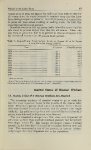
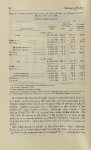
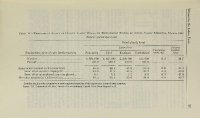
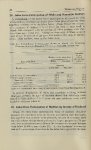
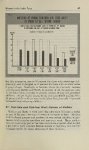
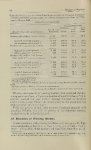
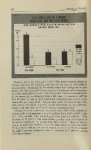
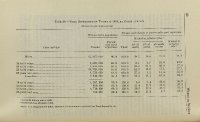
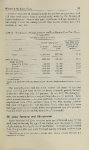
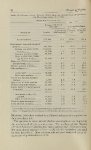
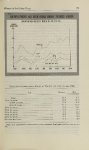
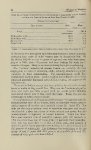
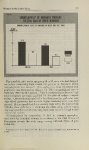
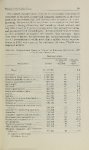
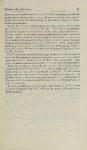
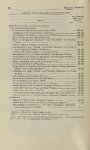
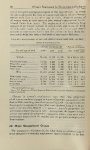
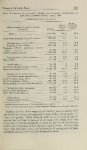
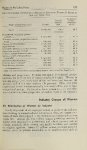
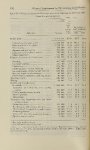
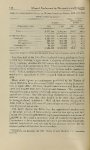
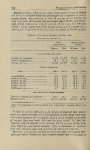
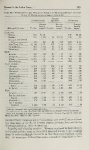
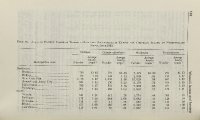
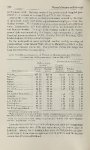
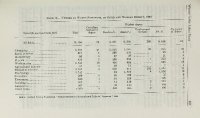
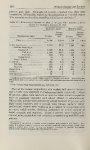
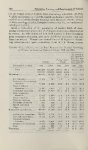
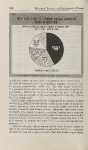
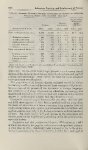
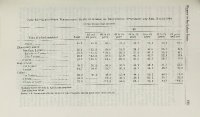
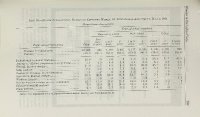
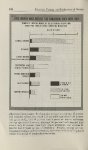
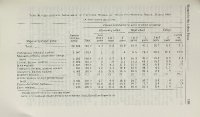
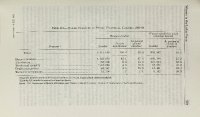
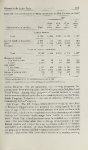
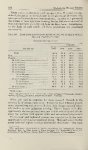
Show Women as Workers 74 the highest unemployment rate among women of all ages-16.7 per (The were looking for jobs. of these when cent in girls 386,000 1964, 15.8 percent.) unemployment rate for boys in this age group was force between labor in the in the differences There were percentages the 16- and 17-year-old girls, however, and those aged 18 and 19 years. Because school attendance laws keep many of the 16- and 17-year-old rate was girls out of the labor force, their labor-force participation 18 and not more than 27.4 percent in 1964. On the other hand, girls 19 years old had about a 50-percent labor-force participation rate. The unemployment rate of young women in the 20- to 24-year-old of them were unemployed. group was 8.6 percent in 1964, when 276,000 This compares with 8.1 percent for young men these ages. Only in the last 3 years have unemployment rates been higher for women than for men in this age group. In every year from 1947 to 1961, than women in their early twenties had relatively less unemployment for rate the young men had. However, since 1962 the unemployment women aged 20 to 24 has been higher than that for men of the same age. Dnemployment rates were significantly higher for women than for men in the age bracket 25 to 44 years. However, at ages 45 to 54, when women's participation rate in the labor force is greatest, their rates were not much higher than men's until 1963, unemployment Women 55 years of age and older have lower unemployment rates than do men in this age group. when the pattern changed. slightly Special unemployment problems of teenagers.-Among the 410,000 girls 14 to 19 years old who were unemployed in 1964, lout of 3 was looking only for part-time work (table 35). This was a greater pro portion than the lout of 5 of all unemployed women 14 years of age and over and 1 out of 7 of all unemployed men who were seeking part time employment in that year. Teenagers, of course, seek part-time work mainly to fit in with school atendance. Almost 7 out of 10 of the unemployed girls who were in school were seeking less than full-time employment. Of those not in school, only lout of 6 was looking for part-time work. Finding an employer who has part-time job vacancies may present In addition, many of the girls are looking for their some difficulties. first steady job, which also presents more than the usual obstacles, and these first jobs may turn out to be transitory. Thus a special study made by the Bureau of Labor Statistics indicated that of a group of 16- to 21-year-old unemployed young women, 2 out of 5 had never worked before." Among those who had worked, lout of 4 had lost 80 Special Labor Force Report No. 47. Labor. Bureau of Labor Statistics, U.S. Department of |