| OCR Text |
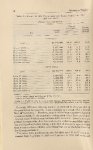
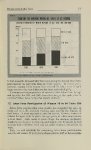
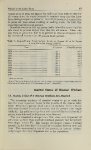
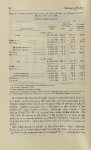
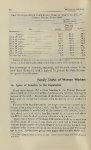
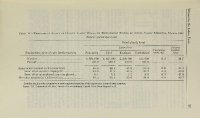
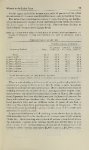
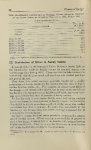
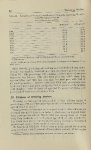
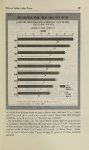
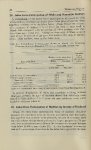
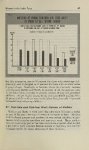
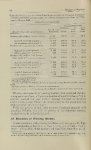
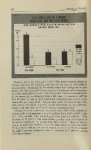
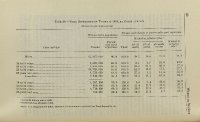
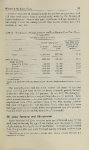
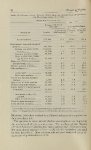
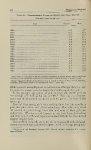
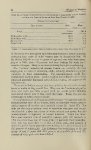
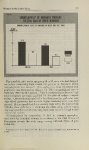
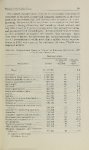
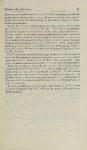
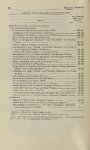
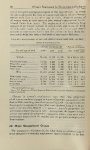
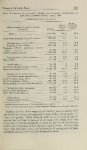
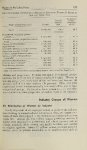
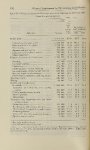
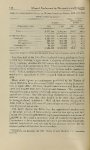
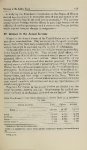
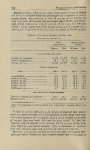
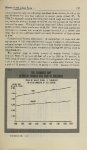
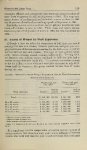
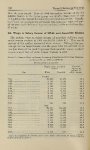
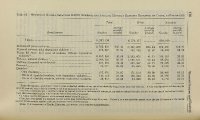
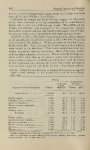
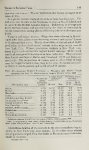
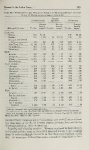
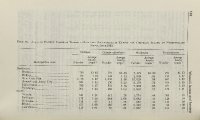
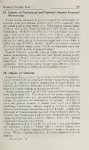
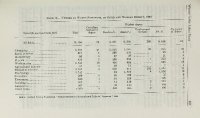
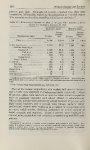
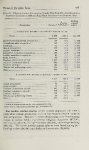
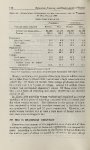
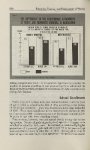
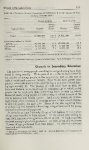
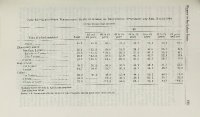
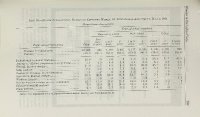
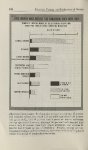
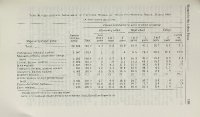
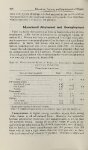
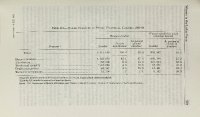
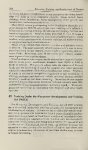
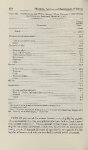
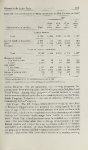
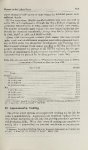
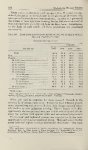
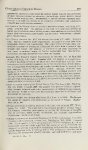
Show Women in the Labor Force 203 in part by the fact that nonwhite women who have attended or com pleted high school may not be satisfied t'O work at semiskilled and unskilled occupations and have difficulty in finding and qualifying for more desirable work, especially in Southern States where they are concentrated. However, nonwhite women 35 years 'Of age and 'Over who were at least high school graduates had a lower unemployment rate than those with 8 years 'Or less of formal schooling 'Or those with 1 to 3 years 'Of high school. 'Of the relationship between education and un comparison of the years 'Of school completed by employment is and unemployed women in the labor force. One-fourth of employed Another measure a the women 18 years of age and over who were unemployed in March 1964 had an eighth grade education or less (table 99). In contrast, only one-fifth of the employed women had so little schooling. More than two-fifths of the em over, half 'Of the unemployed, but less had not completed high school. At the upper end ployed women, of the education scale, 1 'Out of 40 'Of the unemployed was a college graduate compared with 1 'Out of 10 'Of the employed. Among white women the same pattern of greater educational at tainment among the employed than among the unemployed held true. However, among nonwhite women a larger proportion 'Of the em ployed (36 percent) than of the unemployed (30 percent) had an eighth grade education or less. Moreover, a smaller proportion of the employed (26 percent) than of the unemployed (28 percent) had completed high school but had not attended college. Only at the 1 year or more of upper end of the scale-c-aanong those who had exceed that the of the percent) employed (14 proportion college-did of the unemployed (9 percent) . Educational AHa'inment and Hours of Work Women with a limited amount 'Of formal education 'are more likely Many 'Of to be employed part time than are highly educated women. school little with women to available the occupational opportunities ing 'are in service work 'Or pr-ivate-household work-typically part with less time jobs. In March 1964 about one-third 'Of all women indus than 8 years of formal education employed in nonagr-icultural In contrast, less tries worked less than 35 hours a week (table 100). school but than one- fourth 'Of the women who had completed high and only about had not attended college were working part time, of more 'Or oollege worked one-fifth of the women who had 4 years less than 35 hours a week. |