| OCR Text |
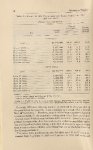
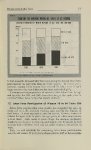
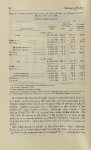
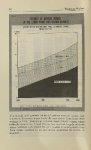
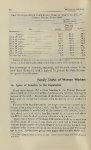
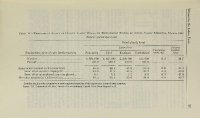
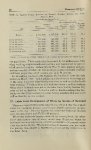
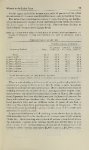
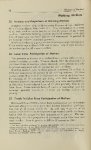
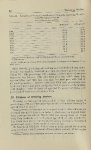
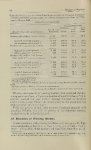
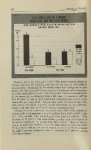
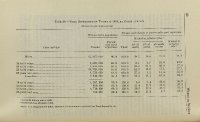
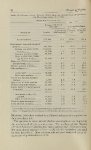
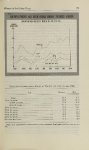
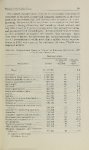
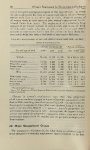
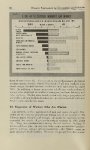
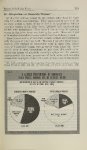
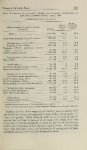
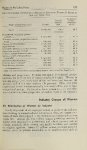
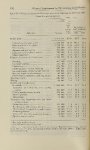
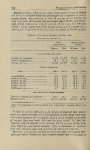
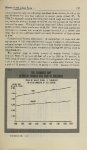
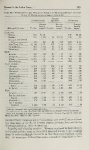
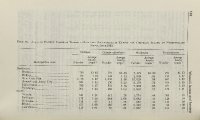
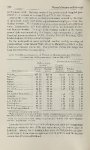
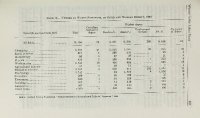
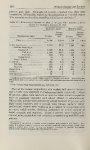
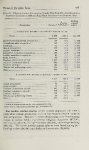
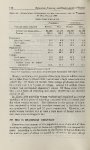
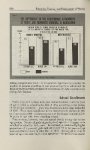
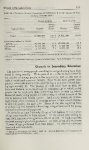
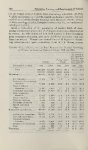
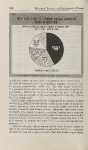
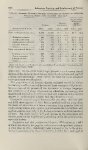
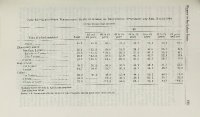
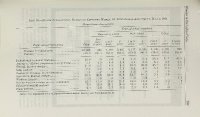
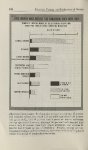
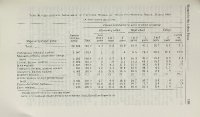
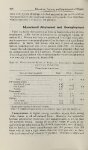
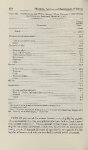
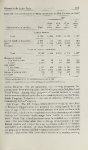
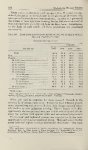
Show Education, Training, and Employment of Women 178 There were 1,173,000 girls and 1,129,000 boys who graduated from high school during the school year 1963-64. This was 350,000 more than the number who graduated in 1963 (1,952,000) and was due mainly to the tremendous rise in the number of young people of high school graduating age in the population. Girls have consistently outnumbered boys among high school graduates. However, the dif ference has narrowed, and currently the number of boys almost equals the number of girls graduating from high school. 8J. High School Retention Rates The increased holding power of the schools has boon measured by the Office of Education on the basis of retention rates. Of those youngsters who entered the fifth grade in the fall of 1942,81 percent enrolled in high school in 1947 and 51 percent graduated in 1950. The picture was considerably brighter in 1964. Of those boys and girls who entered the fifth grade in 1956, 93 percent enrolled in high school in 1960 and 67 percent graduated in 1964. Moreover, 36 percent of the 1964 graduates enrolled in college compared with 21 percent of those who graduated in 1950. 82. School Dropouts Despite this substantial progress, large numbers of both girls and boys still leave school before earning a high school diploma. Accord ing to a survey made by the Bureau 'Of Labor Statistics, 1.7 million of the 4 million girls 16 to 21 years of age who were not in school in February 1963 had dropped out before completing high school (table 87). About 347,000 had never attended high school, and nearly half of these had completed less than 8 years of schooling. Dropping out of school was much more prevalent among nonwhite girls than among white girls-55 percent 'Of the nonwhite girls 16 to 21 years of age had not graduated from high school compared with 39 percent of the w hi te girls. The report of the survey shows reasons given by young people for dropping out of chool or leaving college. Among girls who had dropped out of elementary or high school, the principal reason given was marriage or pregnancy. A larger proportion of nonwhite girls than of white girls (38 percent) gave this as their pri (49 percent) reason. Second in importance among both white and nonwhite mary was loss of interest in school, but a larger percentage of white girls than of nonwhite girls gave this reason. Relatively few white girls of poor grades or difficulties with school auleft school because girls . |