| OCR Text |
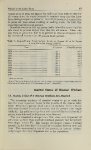
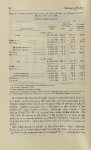
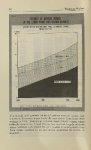
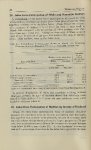
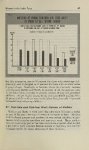
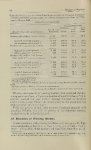
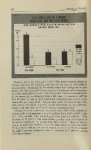
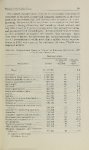
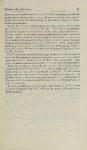
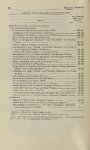
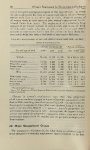
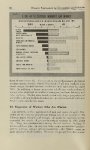
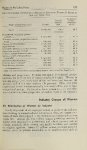
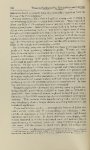
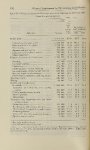
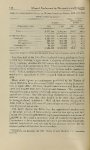
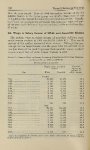
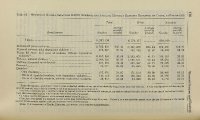
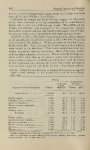
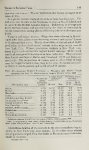
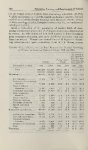
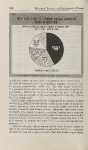
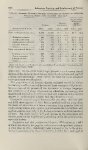
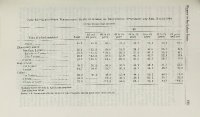
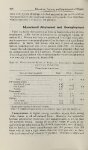
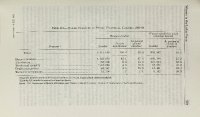
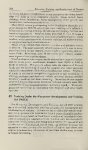
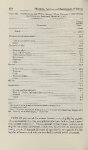
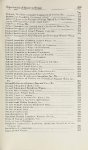
Show Women's Employment by Occupations and Industries 96 46. Women Proprietors, Officia's, Managers More than 1 million women were employed as proprietors, managers, work and officials (except farm) in April 1965. This group of women the of most with number since in doubled than had more ers 1940, this is a relatively small to ,1950. increase However, occurring prior men occupational group for women; they are still outnumbered by 7 to 1. women employed in this major occupational 1965 were salaried workers. in (In contrast, at the time of the group 1950 census only about half .of the women managers or proprietors small individually owned enterprises were salaried Three-fifths of the workers.) Many have been replaced in recent years by supermarkets, large discount thus limiting oppor houses, and branch operations of large companies, tunities for the individual proprietor. At the time of the 1960 census about two-thirds of the self-employed in retail trade, operating mainly eating and women were proprietors and ac drinking places, food and dairy product stores, and apparel cessories stores. Another large group operated establishments offering likewise in personal services. Many of the salaried managers were retail trade and personal services; others worked as buyers and de partment heads in stores, officials in public administration, managers and superintendents in buildings, and postmasters. The employment of both women and men managers and proprietors has been expanding rapidly in the fields of banking and other finance, insurance and real estate, and business services. 47. Women in Clerical Occupations Of the nearly 7.8 million women employed in April 1965 as clerical and kindred workers-the largest occupational group for women2,749,000, or over one-third, were stenographers, typists, or secretaries. (This was considerably above the number employed in these occu pations at the time of the 1960 census (2,179,000) and the 1950 census (1,508,000).) The growth of business and industry, of all kinds of services, and of government operations has brought a rising demand for workers in these occupations to handle correspondence, interoffice communications, and other forms of paperwork. On the other hand, the number of women employed to handle communications other than by mail remained almost unchanged between 1950 and 1960. Thus there were about 342,000 women telephone operators at the time of both the 1950 and 1960 censuses, although the number almost doubled between 1940 and 1950. The installation of automatic dialing equip- |