| OCR Text |
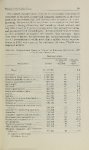
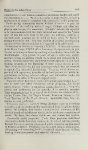
Show Commissions on the Status of Women 263 been found to measure the effect of the explorations and recommenda tions of the State Commissions on the legislatures, on State institu tions, and on women's and civic organizations in general. By focusing attention on their findings in such areas as education, employment, guidance and counseling, day care, and consumer affairs, the Commis sions have been responsible for awakening the public conscience and for pointing to ways in which needed action might he effected. One significant result of the Commissions' work is the rapidly growing realization on the part of their members that successful im plementation of Commission recommendations requires more than pointing out what is wrong; it requires intelligent and continuing participation in the areas where decisions are made, and the applica tion of techniques for the mobilization of support. In the country as a whole the program has in fact become a locally based national movement to open opportunities to women for effective functioning in each of their multiple roles. more and 1965 national conferences, as well as the The 1964 interchange of State reports and other materials, have opened active channels of communi cation. stage. In addition, a series of regional conferences is in the planning The first of these will be held for nine States in San Francisco early in 1966. Although it would be impossible to include' here the full story of each Commission's contribution in terms of its own State's needs, the following examples are representative of the broad scope of what is happening throughout the 45 States where Commissions have been established. 3 Two States have found a way to broaden the representation In one the State Council of Women's on their Commissions. Organizations (representing 34 statewide groups and more than half a million women) has appointed a special com mittee to help the new seven-member Commission on the Education and Employment of Women implement the rec ommendations in the first Commission's report. In the other the Commission itself called together representatives of state wide organizations in which women made up the total or a largepart of the membership. This resulted in the establish ment of a committee, which currently represents 46 groups, to be used as a two-way channel for getting problems to the Commission and for implementing recommendations. 3 For a more detailed description, see the 1965 Progress Report of the Citizens' Advisory Council or consult the individual Commissions' reports to their Governors or legislatures. |