| OCR Text |
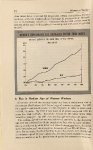
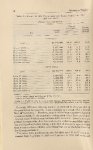
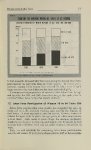
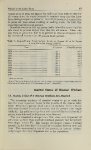
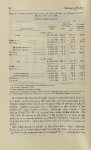
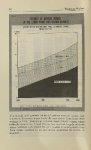
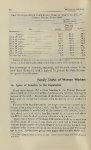
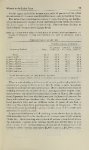
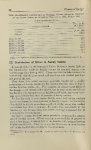
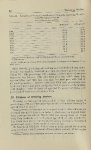
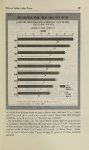
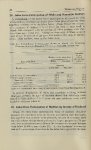
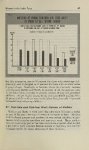
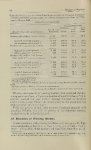
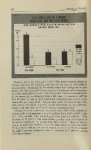
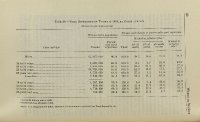
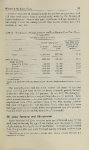
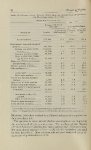
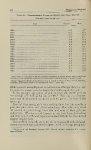
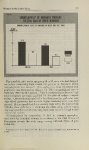
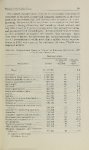
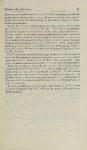
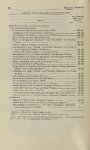
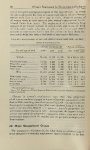
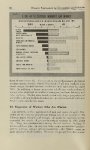
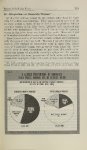
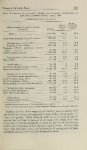
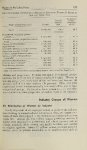
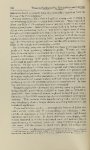
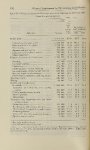
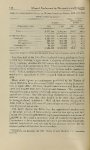
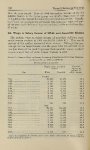
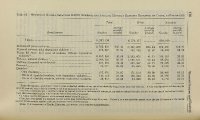
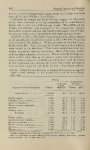
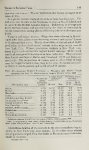
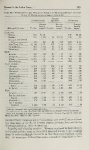
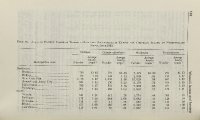
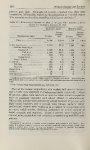
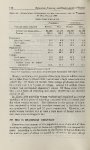
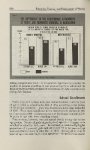
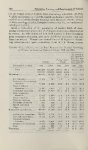
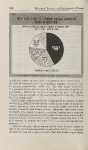
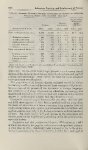
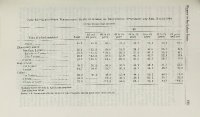
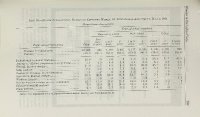
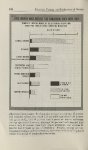
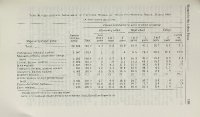
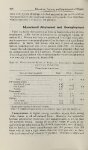
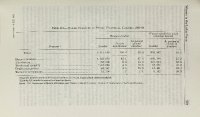
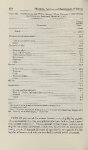
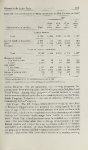
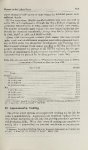
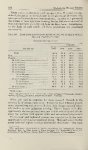
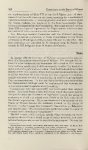
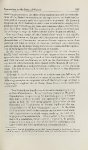
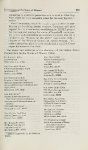
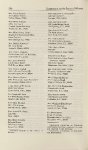
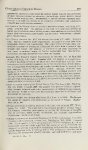
Show 185 Women in the Labor Force tions of all degrees conferred earned by women at the three degree levels in selected years were as fO'llO'WS : Percent earned by women in- 1961,. Degrees conferred Bachelor's or first professionaL Master's _ _ Doctor's _ 1960 1930 1900 40. 3 35. 3 39. 9 19. 1 31. 8 31. 6 40. 4 19.1 10.6 10.5 15.4 6.0 has in Although the number of women taking advanced degrees advanced degrees creased, women earn only a small proportion of all Thus in 1964 women earned 32 percent of all master's or This was considerably below the peak of 40 second level conferred. degrees. However, it is above the 19 percent they in earned in 1900 and a more recent lO'W of 29 percent they earned percent registered in 1930. 1950. WO'men have made even less progress at the doctor's level. Despite number of women earn a slow rise since the turn of the century in the these of degrees earned by women ing doctor's degrees, the proportion In 1950. since fact, the 11 percent of has increased only slightly is considerably below 1964 in women all doctor's degrees earned by the 15 percent they earned in 1930. and Fields of 8tudy in which women earned degrees.-Since more of institutions from and in more women are enrolling graduating it is of interest to' examine the fields of study in higher education, which they earn degrees. It is likewise of interest to' determine has whether or not the relative importance of certain fields of study since 1956 (the earliest date for which comparable figures changed are available) . and first professional degrees.-WO'men earned varied bachelor's or first professional degrees in 1964 in a broad and 432 in and in 343 in 159 law, of engineering, subjects=-from range education in the social sciences and 86,050 in medicine to' Bachelor's 27,285 women were However, most of the degrees received by concentrated in a relatively limited number of fields of study. Forty the three percent of all bachelor's degrees conferred on women were in field of education (chart T). This is not surprising since teaching is the largest single professional occupation for women. The humani ties and the arts was the next most popular discipline (22 percent), followed by the social sciences (14 percent) and the basic and applied numsciences (13 percent). The specific subjects in which the largest (table 90). |