| OCR Text |
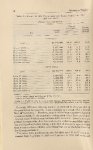
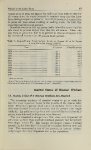
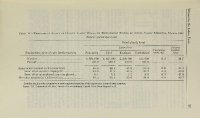
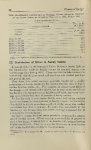
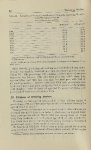
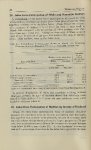
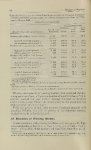
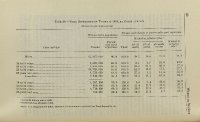
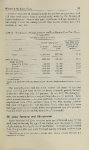
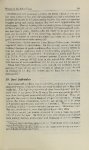
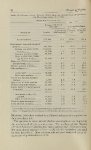
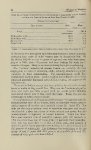
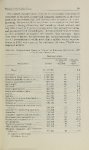
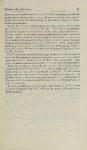
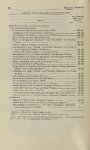
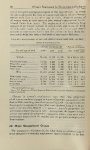
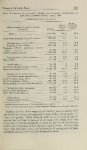
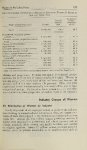
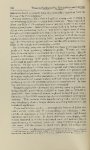
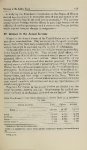
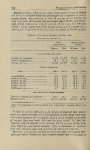
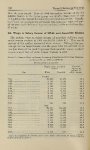
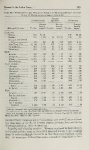
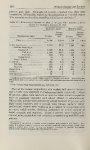
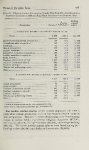
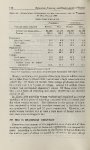
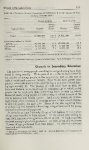
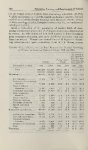
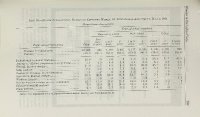
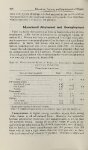
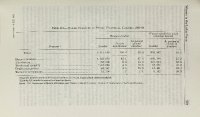
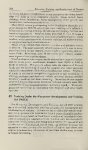
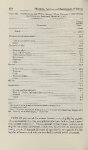
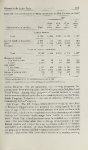
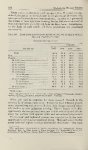
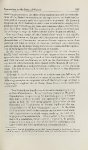
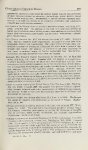
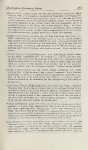
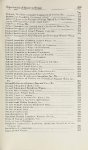
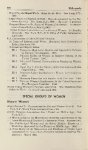
Show Women in the Labor Force Table 100.-HoURS OF WORK 205 WOMEN OF EMPLOYED IN NONAGRICULTURAL INDUSTRIES, BY EDUCATIONAL ATTAINMENT, MARCH 1964 (Women 18 years of age and over) Percent distribution Years of school completed Total ----------------- Elementary school: 1 to 4 years 5 to 7 years 8 years ______________ ______________ __________________ High school: 1 to 3 years 4 years ______________ __________________ College: 1 to 3 years 4 years ______________ __________________ 5 years or more 1 Includes __________ Number 1 Total 35 hours or more 1 to 34- hours 22, 295, 000 100.0 73. 4 26. 6 438, 000 1,420,000 2,355,000 100.0 67. 4 32. 6 100.0 64. 2 35. 8 100.0 70.9 29.1 4,060,000 9,275,000 2,392,000 1,571,000 699, 000 100.0 69.4 30. 6 100. 0 76. 2 23. 8 100.0 71. 3 28. 7 100.0 79. 8 20. 2 100. 0 81. 7 18. 3 85,000 women with no years of school completed. No. 53. Source: u.s. Department af Labor, Bureau of Labor Statistics: Special Labor Force Report Training Programs for Women Opportunities are available to women and girls through a variety of federally assisted programs designed to offer training or retraining to the high school girl, the dropout, the employed woman, the dis placed worker, and the disadvantaged. In recent years the particular attention of those concerned with training programs has been drawn toward two divergent manpower problems that characterize our dynamic American economy: on one and hand, a shortage of highly trained, experienced professional of disad numbers other the technical workers and, on hand, large for sus vantaged people who lack the education and skills necessary tained employment. Various new Government training programs have been developed to help these disadvantaged people become useful, our society, to help self-supporting, and self-respecting members of economic our to contribution life, and to help them make a productive themselves and their for lives and them build meaningful rewarding families. |