| OCR Text |
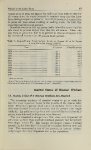
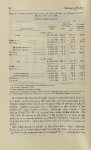
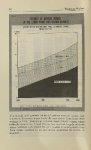
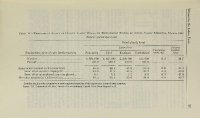
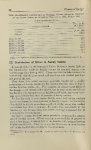
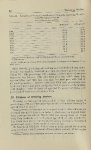
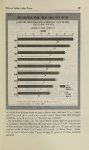
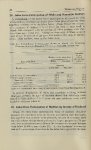
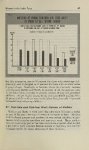
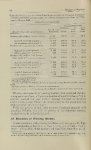
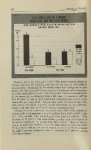
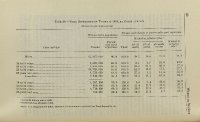
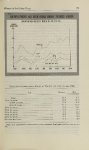
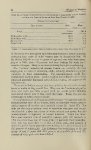
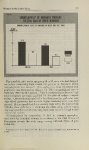
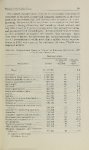
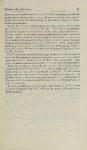
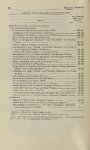
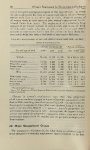
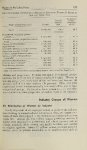
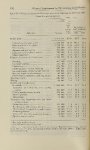
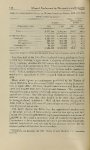
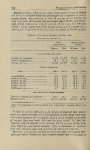
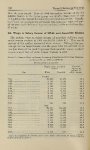
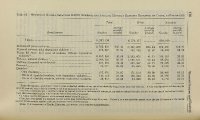
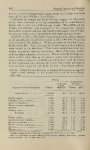
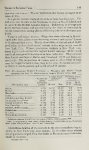
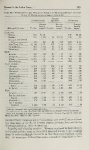
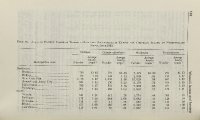
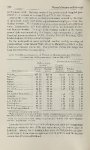
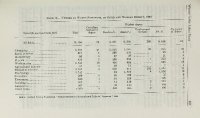
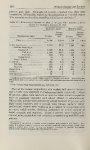
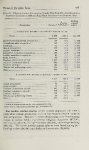
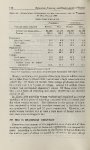
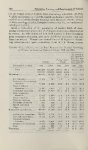
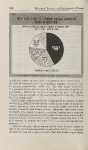
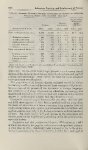
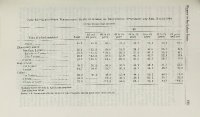
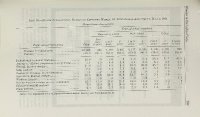
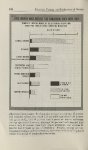
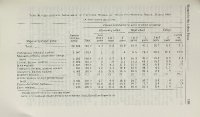
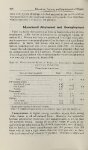
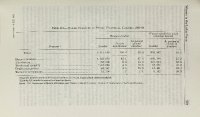
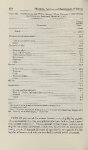
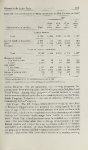
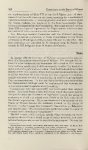
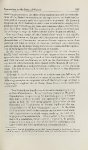
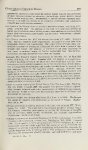
Show Women as Workers 60 typical of farm work, private-household work, and sales wor. As.m result, in 1964 half or more of the women with work expenece four major occupational groups-farm laborers and foremen, private a workers household workers, farmers and farm managers, and sales In week. a hours 35 worked less than fact, among private-household time workers and farm laborers 'and foremen, the ratio working part was as high as 7 out of 10. Information on part-year or part-time employment of women by detailed occupations is available only from the decennial census." Among women with work experience in 1959, at least some worked of the year, or a combination of the two in most of the time, part part detailed occupations. However, part-time or part-year employment was more frequent in certain occupations. Some occupations are typically both part year 'and part time. For example, women giving dancing and music lessons or teaching in special schools such as kindergartens, nursery schools, adult education centers, and driver-training schools, often work only a few hours a day or in the evening and usually work only part of the year. More over, women working as demonstrators and door-to-door salesmen usually work less than a full week and often work seasonally. In other part-year work is prevalent. Two-thirds or occupations women working in 1959 as elementary and secondary school teachers; operatives in canning and preserving of fruits, vege tables, and seafood; counter and fountain workers; and waitresses, Most schools among others, were employed less than 50 weeks a year. a 9-month schedule, and canneries and packing plants em on operate ploy most of their operatives only for the harvesting season. More motels is over, work in eating and drinking places and in hotels and more of the often seasonal. Finally, there are some detailed occupations in which women usually work less than 35 hours a week. ant in These include attendant and assist libraries, babysitter, laundress, and charwoman and cleaner. More than half of all attendants and assistants in libraries worked less Women in this occupation work at peak periods-after school hours and in the evening-or as replacements for full-time workers in libraries open 6 days a week. Two-thirds of the baby sitters worked less than 35 hOlITS a week in 1959, and half worked less than 15 hours a week. Much of the work done by charwomen and cleaners is performed after office hours and does not require an 8:-hour day. than 35 hours a week in 1960. 20 "U.S. Census of Population: 1960. Occupational Bureau of the Census, U.S. Department of Commerce. Characteristics, PC(2)-7A." |