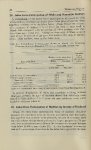
| OCR Text |
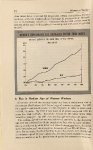
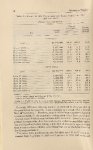
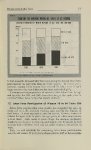
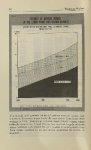
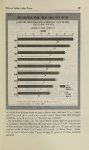
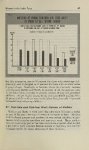
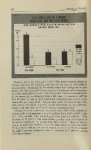
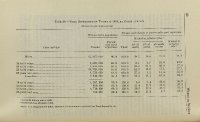
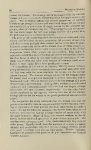
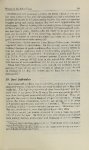
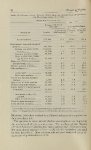
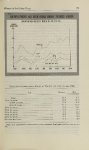
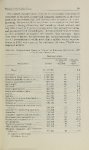
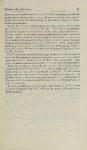
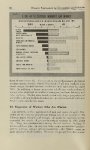
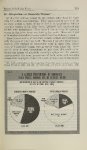
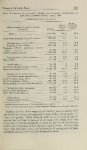
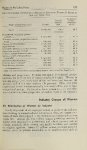
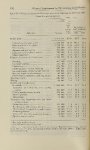
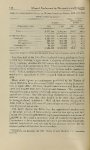
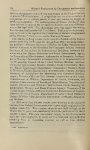
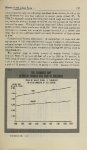
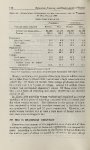
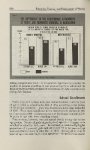
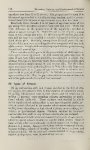
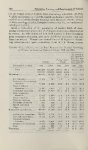
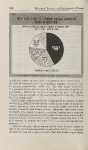
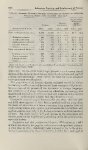
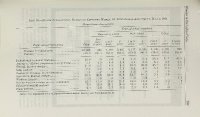
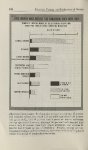
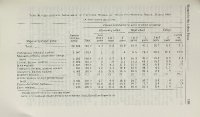
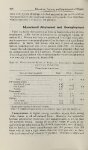
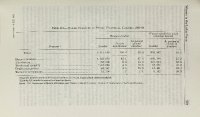
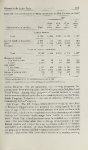
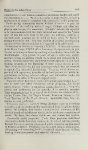
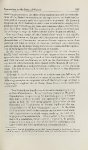
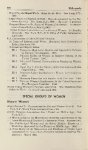
Show Women's Employment by Occupations and Industries 90 tIIart • IMAJOR OCCUPATIONAL GROUPS OF EMPLOYED WOMEN AND MEN, APRIL 19,651 WOMEN MEN 10 CLERiCAl WORKERS SERVICE WORKERS (except private-household} OPERATIVES PROFESSIONAL AND TECHNICAL WORKERS PRIVATE-HOUSEHOLD WORKERS SALES WORKERS MANAGERS, OFFICIALS, PROPRIETORS (except farm) FARM LABORERS, FOREMEN CRAFTSMEN, FOREMEN FARMERS, FARM MANAGERS LABORERS (except farm, mine} those of men (chart N) In contrast to the predominance of clerical workers among women, almost 40 percent of all men workers were • about evenly divided between craftsmen and operatives in April In addition, a larger proportion of all men workers than of women were employed as nonfarm managers, nonfarm laborers, and farm workers. On the other hand, a relatively larger proportion of women than of men had jobs in sales work, private-household work, and 1965. service work outside the home. Proportion of Workers Who Are Women 44. The diversity in the employment of men and women is again illus trated by the varying proportions women are of all workers in the different major occupational groups. As might be expected, women accounted for nearly all private-household workers in 1965 (table 41) They also predominated among clerical workers-holding 70 percent of these jobs. In only one other major occupational group service workers (except private-household)-did women make up more than half of all workers. However, the proportions that women . . |