| OCR Text |
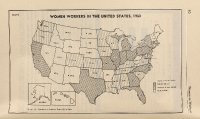
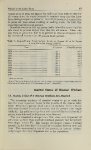
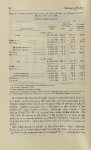
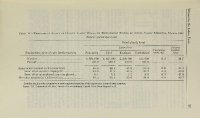
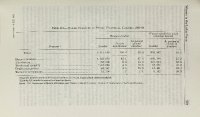
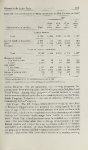
Show Women's Employment by Occupations and Industries 120 Because of the nature of the military service almost all of the officers and enlisted women , unlike women in the civilian labor force, are required to devote a certain proportion of their working time to duties not related to their work: inspection, housekeeping duties, and train . ing activities. These duties vary by service and rank, but they are characteristic of all the military services. The Veterans' Administration estimates that in the spring of 1965 there were approximately 414,000 women veterans, almost 2 percent of all war veterans. Of the total number of women about veterans, 22,000 were veterans from World War I, 317,000 from World War II, and 75,000 from the Korean conflict. In addition, there were 400 In 1965, however, less than War. Spanish-American 1 percent (about 27,200) of all veterans receiving compensation or pensions were 'women. Bosh women and men veterans are entitled to the same benefits, as for example, life insurance re nurses from the Coverage, employment rights, and educational 'benefits. Qualified women may also apply for Reserve service. Women reservists, depending upon their Reserve status, participate in weekly drills and summer train ing with their units. They may be called to active duty in the event of a national emergency, the same as men reservists. 58. Women in StQte Office In 1965, 370 women were in the State legislatures-35 in upper houses, 333 in lower houses, and 2 in Nebraska's unicameral legisla ture. In Vermont about 19 percent of the 246 seats in the House of Representatives were held by women; in New Hampshire about 16 percent of 400 seats were held by women. Ten to fifteen percent of the seats in the lower house of the following States, in descending order of their percentages, were held by women: Connecticut, Oregon, Arizona, Nevada, and Washington. About 21 percent of the members of the New Hampshire Senate were women; in Delaware and Connecti cut women accounted for about 11 and 8 percent, respectively, of the members of the upper houses. There was at least 1 woman in the legis lature of every State except South Carolina. 208 seats were held by women; in In New York 4 out of California, lout of 120. Women in 23 States had achieved statewide elective positions other than in the legislature, including 10 on boards of education and 7 as secretary of state or secretary of internal affairs. Others served as treasurer, auditor, superintendent of public instruction, chief and asso ciate justices of supreme courts, trustee of State institutions of higher education, and register of State land office. In Alabama 5 of a total of |