| OCR Text |
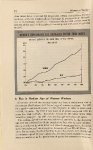
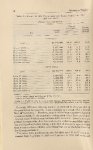
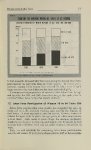
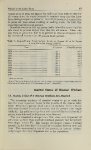
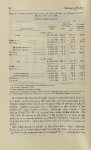
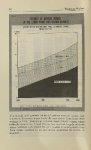
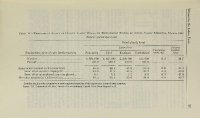
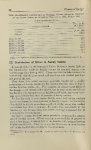
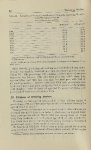
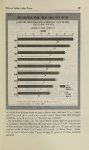
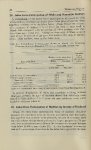
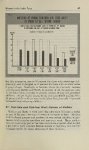
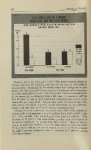
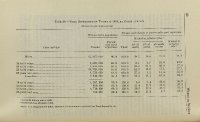
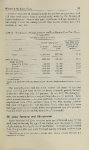
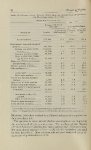
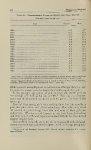
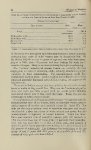
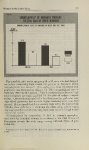
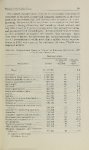
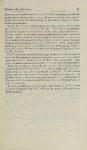
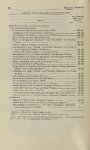
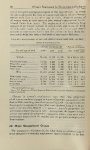
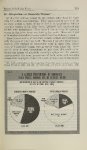
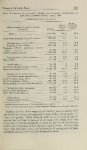
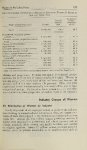
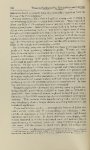
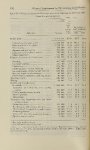
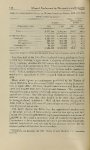
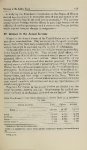
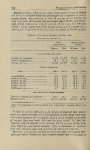
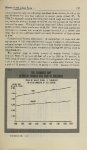
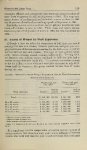
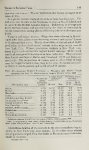
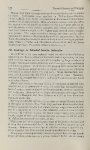
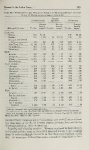
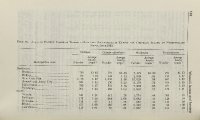
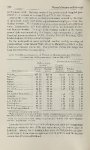
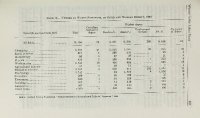
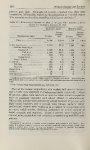
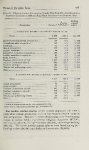
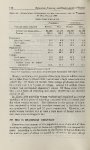
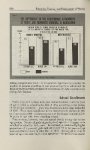
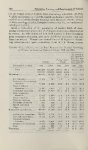
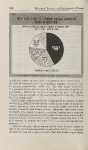
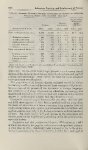
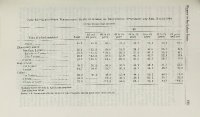
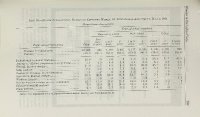
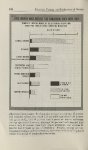
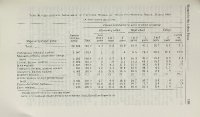
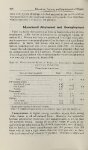
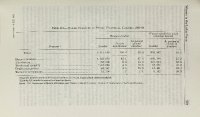
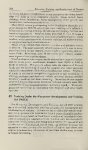
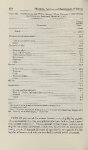
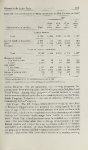
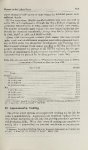
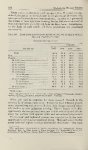
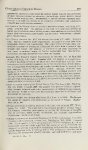
Show Women as Workers 36 Working Mothers 9 25. Number and Proportions of Working Mothers numbered Working mothers with children under 18 years of age 9.5 million in March 1964 (table 17). They represented 35 percent 38 percent of all women and in the of all such mothers population mothers Nonwhite workers. (husband present) with chil working and numbered these represented 12 percent of of dren 923,000 ages all working mothers (husband present). be expected. Working mothers as a group are not as young as might Their median age in March 1964 was 38 years-only 3 years less than the median age for all women workers. 26. Labor force Participation of Mothers The presence or absence of a husband has a strong influence on a mother's decision to work. Thus in March 1964 the proportion in the labor force of mothers whose husbands were present was only 32 percent compared with 56 percent for other mothers. million in Working mothers with husband present numbered 7.9 mothers. Of these all of 83 1964 and working percent represented force. mothers, more than 3 out of 10 (32.0 percent) were in the labor living with their husbands-ethe deserted, who were rearing children widowed, divorced, separated, 6 out of 10 (56.2 percent) were in the homes-almost in fatherless of mothers These labor force. course, a compelling need for have, them 'are of two-thirds rearing children in earnings: probably In contrast, of the mothers not or poverty.'? 27. Trends in Labor Force Participation of Mothers Between 1940 and 1964 the labor-force participation rate of mothers increased about three times more than did the labor-force participa only 9 percent of all mothers with children under 18 years of age worked outside the home, but by 1964 this proportion had increased to 35 percent. The cor responding rise in the proportion of all women in the labor force was tion rate of all woman (table 18). In 1940 much smaller-from 28 percent in 1940 to 37 percent in 1964. 9 The term "working mothers," as used in this bulletin, refers to workers who have children under 18 years of age, unless otherwise designated. 10 In Mollie Orshansky, "Counting the Poor ; Another Look at the Poverty Profile." Social Security Administration, U.S. Department of Health, Social Security Bulletin, Education, and Welfare, January 1965 .. |