| OCR Text |
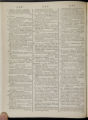
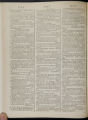
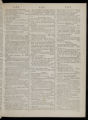
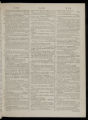
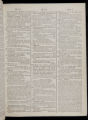
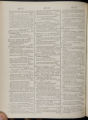
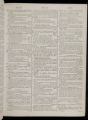
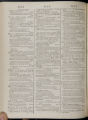
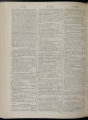
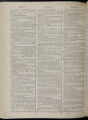
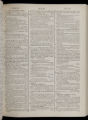
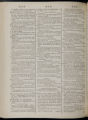
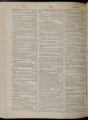
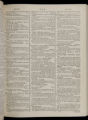
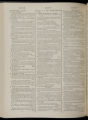
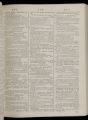
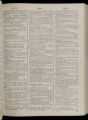
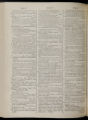
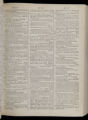
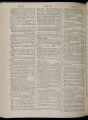
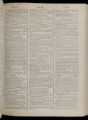
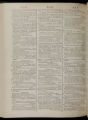
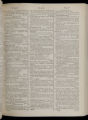
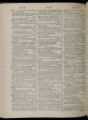
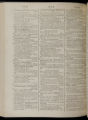
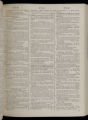
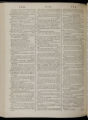
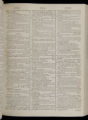
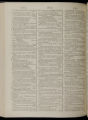
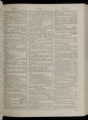
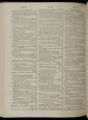
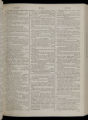
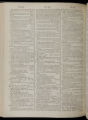
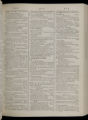
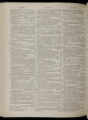
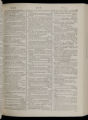
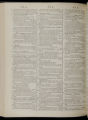
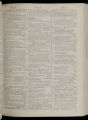
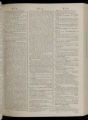
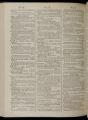
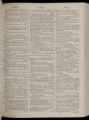
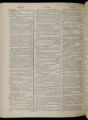
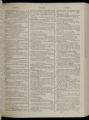
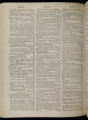
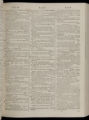
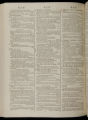
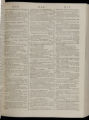
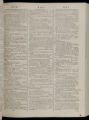
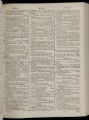
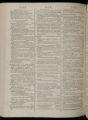
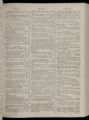
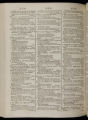
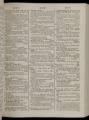
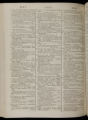
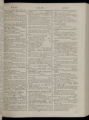
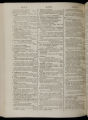
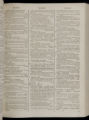
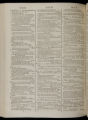
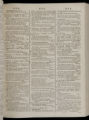
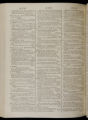
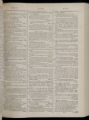
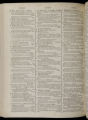
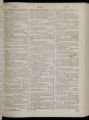
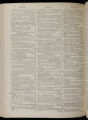
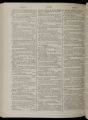
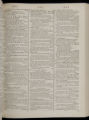
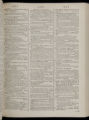
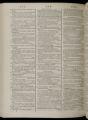
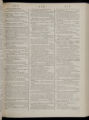
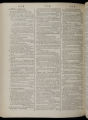
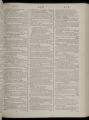
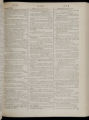
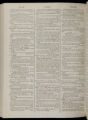
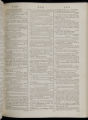
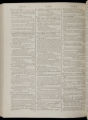
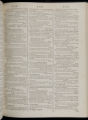
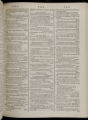
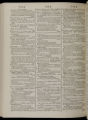
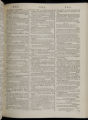
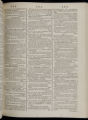
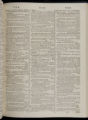
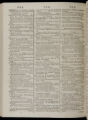
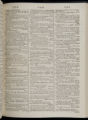
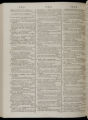
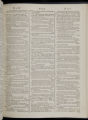
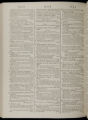
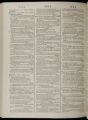
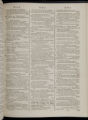
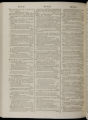
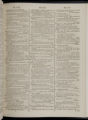
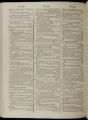
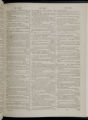
Show « P TH TEIHr f j t f a t r m i t I fove you for no the fons of Adam. Swift have for al He fcarcely woul }md done . fteem YO TaANE. 7 J- [Begn, Saxon.] An old titl f honour, perhaps equivalent to barqn OBY Sinel's death ['know } ‘m 1fzgw o(; Gll_amls ¢ Cawdor ! the rhane o But how o lives Cawdo " ‘ar Sh S ‘kt]-1: ) THANK. V. 4. [Sancian, Saxon ; dancGerman. 0&", Dutch; rhamier 1. To return acknowledgments for any fa'vom o kindnefs He would have well become ‘this }3lacc,‘ and g)‘ap‘ Shakefpeare's Cymbeline The thankings of a king For your ftubborn anfwe 2 g fhall know iit ty and and, no doubt, ) thank ®. you The ki ASZ‘(!A‘:]/)CLIH' 2 Theffii. 3 We thank God always for you He was fo true a father of his country To thank me for defending ev'n his foes Becaufe they were his .fubjcéh'. Dryd. Spm: Fl'ul.r 5, It is ufed often in a contrary or ironi cal fenfe 1il fare our anceftor impure . Milton For this we may hank Adam Weigh the danger with the doubtful blifs And thank yourfelf, if aught fhould fall amifs Dryden a fufpen That Portugal hath yet no more tha fion of arms, they may thank themfelyes, becauf they came fo late into the treaty; and, that the "came fo late, they may thank the Whigs, who{ Swift falfe reprefentations they believed THANK. Q2. /- [Sancay, Saxon ; dancke Traxks. § Dut.] Acknowledgment pai for favour or kindnefs; expreflion o gratitude. Thanks is commonly ufed o verbal acknowledgment, gratitude of rea .repayment. It is feldom ufed in the fingular a1, L The pooreft fervice is repaid with thanks. Shak Happy be Thefeus, our renowned duke -Thanks, good Egeus, what's the news ? Shak The fool faith, I have no thank for all my goo deed; and they that eat my bread fpeak evil of me Eccluse xx. 16 He took bread, and gave thanks to God in prefence of them all Aétsy XxVil. 38 Thanks be to God, which giveth us the vi€ory woven 1 Corinthians, xv Some embrace fuits which never mean to dea ezz&ually in them; but they will win a thank, o take a reward Bacon . For this to th* infinitely good we ow mmortal thanks Milton THA'NKF_UL. adj. [Bancpul, Saxon.] Ful of gratitude ; ready to acknowledg good received Common Prayer Be thankful unto him, and blefs his name Pfalm c. 4 In faVO"{) to ufe men with much difterence i d for it maket the perfons preferred mor ‘b‘"kflfl' and the reft more officious Bacon's Ef L LWC;‘ thou great encourager of arts IVE ever in our thankful hearts HANKFULLY Dryden gdv [ from thankful With livel y and grateful fenfe o goo received fuII[-Iere is better than the open air take it thank1_% yo Shake[peare have liy'd, take thankfull the paft % 5 you can, the fweet rem mbrance laft Dryden anocm of gold, how to draw a difiin&yfub; 8 as I can fepa ate from vitriol, I fhall er ? anlzful{y learn Boyl Ha'r;.l(tFéJLN.ESS 7. /. [from thankful. ] gxil :nte ;fhvelfi fenfe or read acknow o Vou a1, good receiv for fear that tban"aful;nj might have a introdution of reward Sidney Will you give me this maid your daughter -As freely, fon, as God did give he me ~-Sweet prince, you learn me noble tha kfulnefs The celebratio Shakefpeare of thefe holy myfteries bein ended, retire with all thankfulnefs of heart f r hav ing been admitte to that heavenly feaft Taylor t a nt ta ce de ev fu n i r th e W take away- all kind of doubting; in fuch cax_"es a judgment that is equal and impartial muft inclin Wilkins to the greater probabilities 3. Who; relating to an antecedent perfon Saints that taught and led the way to he;u;ir:;d 4. It fometimes ferves to fave the repetition of a word or words foregoing thatI will Thankfulnefs and fubmifion make us happy L'Eftrange I F knowledgment Ye defraud, and ¢hat your brethren. 1 Cor. vi. 8. Yet for all that, when they be in the land o adj. [from thank. 1. Unthankful ; ungrateful; making no acLeft fo great good as he for her had wrought Shoul die unknown an thought Ho burie be in thanklef That fhe may fee fharper than a ferpent's tooth it is Spenfer To have a thanklefs child. Shakefpeare's King Lear One grateful woman to thy fame fupply' What a whole thanklefs land to his deny'd Pope 2. Not deferving thanks or not likely to gai ‘The contratin an extendin the line an fenfe of others, if the firft authors might fpeak fo themfelves, would appear a thankle[s office. Wotton Wag An brin hom ftill their wars fcars o THA'NKLESSNESS Ingratitud thy breaft more thanklef Crafbaw #. /; [from thankle/s. failur good received t acknowledg Than worft of civil vices, thankleffnefs Donne THANKO'FFERING. 7. /. [thank and offering.] Offering paid in acknowledgmen of mercy A thoufand thankofferings are du to that pro vidence which has delivered our nation from thef abfurd iniquities Watts THANKSGIVING. /. [thanks and give. Celebration of mercy Thefe facred hymns Chriftianity hath peculia to itfelf, the other being fongs too of praife an thankfgiving, wherewith as we ferve God, fo th Jews likewife H Of old there were fongs of praife and thank[givin unto God Nebemiahb, xii, 46 We fhould acknowledge our obligations to Go for the many favours we receive, by continua praifes and thank(giving Tillotfon The common praétice of all Chriftian churche and ftates, in appointing and keeping days of publi thank{giving and humiliation, is argument fufficien to prove, that in the common fenfe of Chriftian it is not forbidden in feripture Nelfon adj. [thank and <vor thy.] Deferving gratitude; meritoricus This is thankworthy, if a man endure grief I Pet. ii. 19 If love be compell'd, and cannot chufe How can it grateful or thankwwortby prove ? Dawics ToarM #n [ [Seapnm Saxon darm Dutch, the gut.] Inteftines twifted fo feveral ufes THAT, pronoun. [thata, Gothick; Bwrx Saxon ; dat, Dutch. 1. Not this, but the other He wins me by that means I told you. Shakefp Octavia, not only that That were excufable, that and thoufand sour bufinels "szlkjj):'zzrfi': Henry }I)v T id, Wha is that to us¢ {ee thou to that They faid their enemies I will not caft them away Lewiticusy Xxvie 44 We muft dire€t our prayers to right ends; an that either in refpect of the prayer itfelf, or th Duty of Man things we pray for They weep, as if they mean That way at leat proud Nabas to prevent. Cowley. This runick fubje&t will occur upon that o Temple poetry What is inviting in this fort of poetry, proceed not fo much from the idea of a country life itfelf Pope as from that of its tranquillity 5. Oppofed to this, as the other to one This is not fair; nor profitable that Nor t* other queftion proper for debate Dryder's Perfius 6. Whe this and that relate to foregoin is referre words thi to th latter and #ba like hic or cec like Zlle or cel to the former Not t* have written then, feems little lef THa'NKWORTHY A thankful remembrance of his death 80 give me thanks for what T'HA"NKLESS The forlorn foldier, that fo nobly fought TIHT mor Of femblable import, but he hath wag' New wars againft Pompey Shake[peare z. Whichj relating to an antecedent thing The finner makes an aberration from the fcop or mark that is fet before him Perkins You 'll rue the tim That clogs me with this anfwer Shak. Macketh Nothing they but duft can fhow Or bones #bat haften to be fo Cowley In this fcale gold, in t' other fame does lie The weight of rbat mounts zbis fo high. Cowley 7. Such as By religion is meant a living up to thofe prin ciples, that is, to act conformably to our beft reafon, and to live as becomes thofe who believe God and a future ftate 8. Tha Tillotfon which ; what Sir, I think the meat wants that I have --DBafting Shakefpeare's Comedy of Errours 9. 'The thing The Nazarite hath vowed befides that that hi hand fhall get Nymbersy vi. 2 He made zhat art which was a rage Cowley 10, The thing which then was Secure proud Nabas flept An dreamt fport vain man of that day's barb'rou Convley 11. By way of eminence This is that Jonathan, the joy and grace That Jonathan, in whom does mixt remai All that fond mothers with Cooley Hence love himfelf, rbat tyrant of my d 1z. In Tuar of Becaufe in confequenc Things are preached not in that they are taught bu in rhat they are publithed TrAT Hocker conjunition 1. Becaufe t is not that I love you lef Than when before your feet I la But to prevent the fad increaf Of hopelefs love, I keep away Waller Forgive me thar I thus your patience wrong Cewley 2. Noting a confequence Fhat he fhould dare to do me this difgrace Is fool or coward writ upon my face Dryden The cuftom and familiarity of thefe tongues d fcmetimes fo far influence the expreffions in thef epiftles, that one may oblerve the force of the Hebrew conjugations Locke 3. Noting indication We anfwered, that we held it fo agrecable, a we both forgot dangers paft acd fears to come, tha W |