| OCR Text |
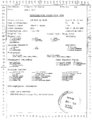
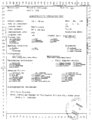
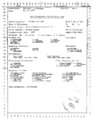
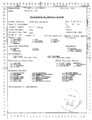
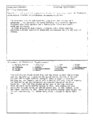
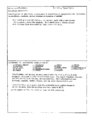
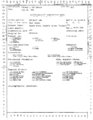
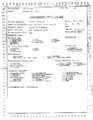
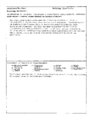
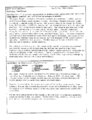
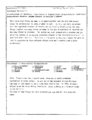
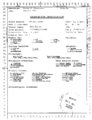
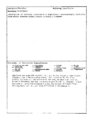
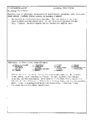
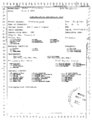
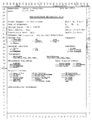
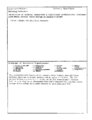
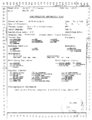
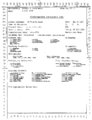
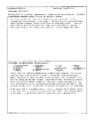
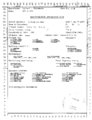
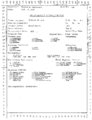
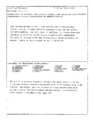
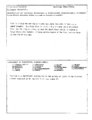
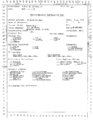
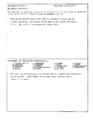
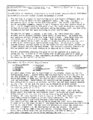
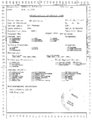
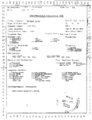
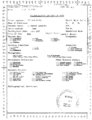
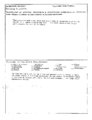
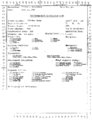
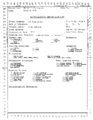
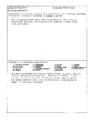
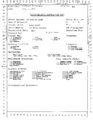
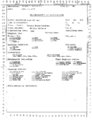
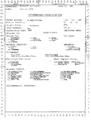
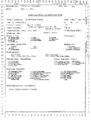
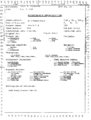
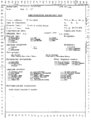
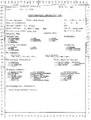
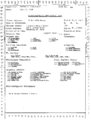
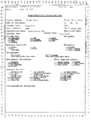
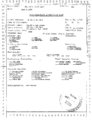
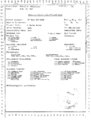
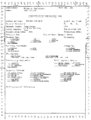
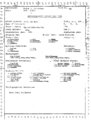
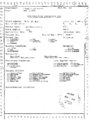
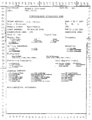
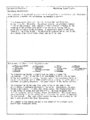
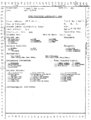
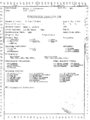
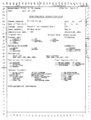
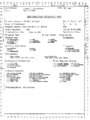
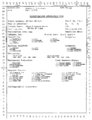
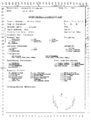
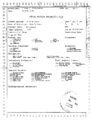
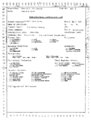
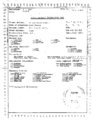
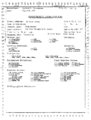
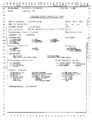
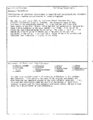
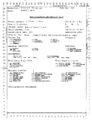
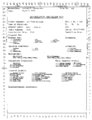
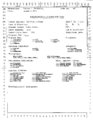
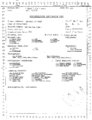
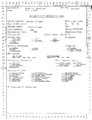
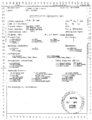
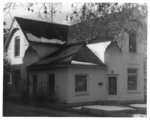
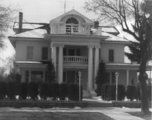
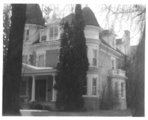
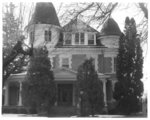
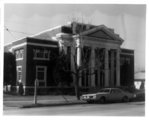
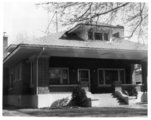
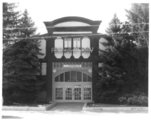
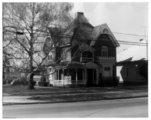
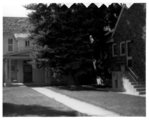
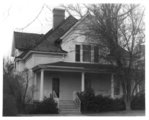
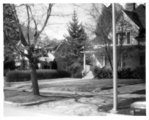
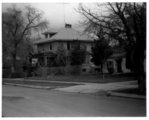
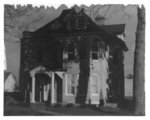
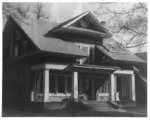
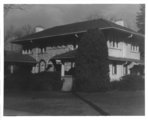
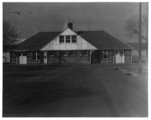
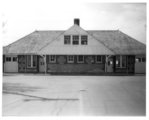
Show Building Type/Style: Architect/Builder: Building Materials: Description of physical appearance & significant architectural featxires Induce additicrsr alterations, ancillary structures, asd laryjscapipg if applieaJsla This is a large two and one-half story home whose quintessential theme is the weight and massiveness of the entire rectilinear plane. This is exemplified by the portico which has three two-story unfluted columns on each side of the portico, which is in front of the main door. The roof in front of the veranda is supported by the unfluted columns, all of which have ionic capitals. This Greek influence extends to the entablature which is also of the Greek simplicity. The structure's omnipotence is further emphasized by the raised yard on which the house sits. It is approximately two feet higher than the sidewalk and is enframed by a rock wall on the north and west sides of the house. The rock wall is itself surrounded by a formal evergreen hedge and flower arrangement that gives the house greater dignity and prestige. The second story of the house also has a veranda and is encircled by a classic balustrade of weight and simplicity. The roof is of a pyramidal shape but is protruded by four gabled dormers on each side of the house. Over the door of the veranda is the fan window typical of the Adams and Jeffersonian styles which is the crowning feature of the entire front facade. The alterations to the house since construction are: (1) The addition of a three car garage in the southwest part of the lot connected to the house; (2) A five foot extension of the main floor on the west side; (3) The painting of the entire house white from the original, natural color of the brick which was made locally. These alterations have been made by the present owner and for the functionalcontemporary use of the home and are sympathetic to the character of the building. Statement of Historical Significance: Anarixaos __ Agriculture JC- Architecture " «;_.ifca Arts --.Cortnsroa -- Cananicaticn ' __ Ccaservatafin -- SdtacatAca __ 2xcdcrsaian/Set±LaEses3s -. Industry __.Military' -.Mining -.Minority Groups -.Political. --Becreaticn ' X.. ' -- Sciance -- Transportation The Ellen Ricks Nibley home is significant because of the original owners and for its architectural beauty. The home was constructed in 1905 for Ellen who was the wife of Charles W. Nibley. Nibley was an immigrant to the United States .from Scotland and like most of the newcomers was poor. But Nibley was very ambitious and with the freedom of the American West, he quickly climbed to a financial, political and religious stature obtained by only a few. At its peak, the estate was estimeted to be in the millions. In the ecclesiastical realm, he became the Presiding Bishop of the church to which he belonged for almost two decades, For the last six years of his life, he was the second counselor to the church's president. But there is another factor surrounding Nibley and this home that makes it important. Up until 1890, the Mormon church taught and practiced the doctrine of plural marriage; and Charles Nibley accepted the teaching, having three wives and fathering twenty-four children. Those three families lived in Logan Utah, until 1889 when Charles and his first wife and family moved to 'Oregon to supervise his lumber industry. The other two families remained in Logan with frequent visits from Charles. This home is located directly across the street diagonally from the home in which the third family of Charles lived. The close proximity of the homes shows that his children, though by different wives, were to have close ties and assoc iations; and that to Nibley, the patriarch, they were not two or three families, but one. |