| OCR Text |
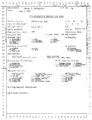
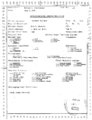
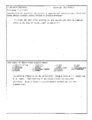
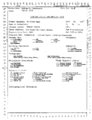
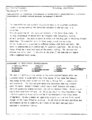
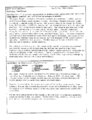
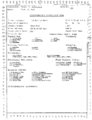
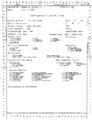
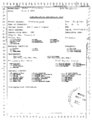
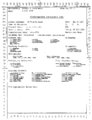
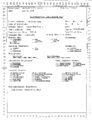
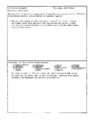
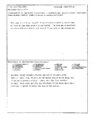
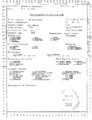
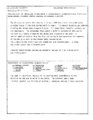
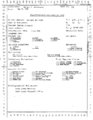
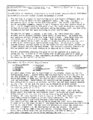
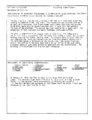
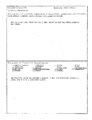
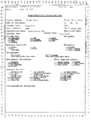
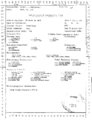
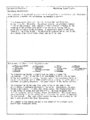
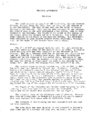
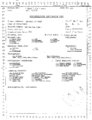
Show Form No. 10-300a (Hew 10-74) UNITED STATES DEPARTMENT OF THE INTHRIOR NATIONAL PARK SERVICE NATIONAL REGISTER OF HISTORIC PLACES INVENTORY ~ NOMINATION FORM CONTINUATION SHEET _______________ITEM NUMBER FOR NFS USE ONLY DATE ENTERED g PAGE 26 2___________________ Cache Valley's history is significant, in the third place, because it illustrates the problems connected with the settlement of a semi-arid region. I^t is doubtful that any semi-arid region has faced up the particular problems involved in irrigation agriculture more resolutely, and documented the story more completely, than has Cache Valley. As the result, the valley is today one of the best watered in the West; its history and development are objects of study by scientists and technicians from as far away as Africa, Iran, and Australia. Finally, Cache Valley history is significant because it represents in so many ways the pioneering experience which was typical of America. Dr. Ralph Barton Perry, in his justly famous book, Characteristically American, wrote: Mormonism was a sort of Americanism in miniature; in its republicanism, its emphasis on compact in both church and polity, its association of piety with conquest and adventure, its sense of destiny, its resourcefulness and capacity for organization. It was not only a Mormon dream, but the dream of all Americans to build on this continent a Kingdom of God. It was the dream of all Americans to escape, as Goethe said, from the past of European man, and to build a new society a good society. The history of Cache Valley is a kind of summation of American history, a heightening, a more explicit formulation of that history. Cache Valley history is thus a study of American problems, of human problems, of the problems of all individuals making a living on the frontier of civilization, . whether in Siberia, Argentina, or New South Wales. 1 Logan is the biggest city of the several small communities nestled in a beautiful northern Utah basin called Cache Valley. This "structural valley," the largest of its kind in the Wasatch Range, resulted from a long period of faulting and breaking of the once level floor. The fault lines can still be seen in the foothills, and though millions of years old, they still have the ability to give the contemporary resident a scare when it decides to find a more comfortable place to rest for another generation or so. This faulting not only created the steep mountains which rise to levels of Ricks, Joel E., ed., The History of a Valley (Cache Valley Centennial Commission, Logan, Utah, 1956). p. 140-141 |