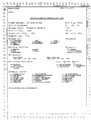
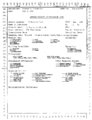
| OCR Text |
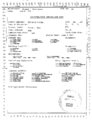
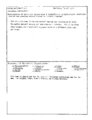
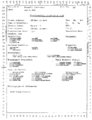
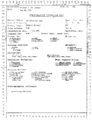
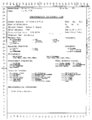
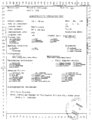
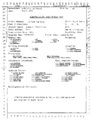
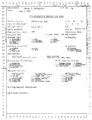
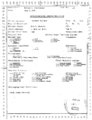
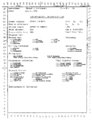
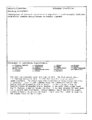
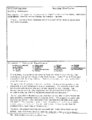
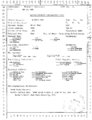
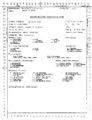
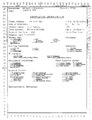
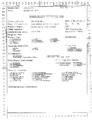
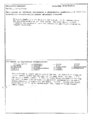
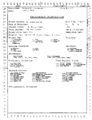
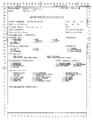
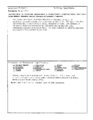
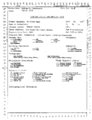
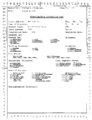
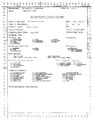
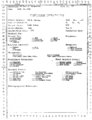
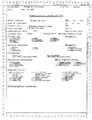
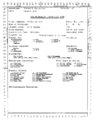
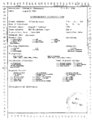
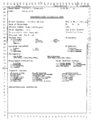
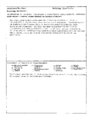
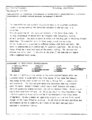
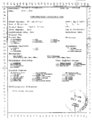
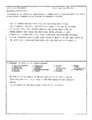
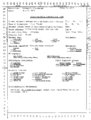
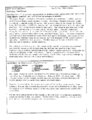
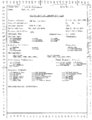
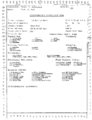
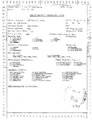
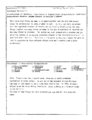
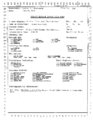
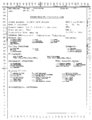
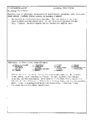
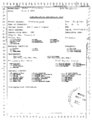
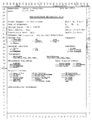
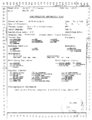
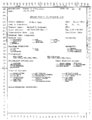
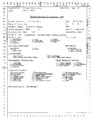
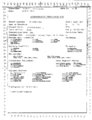
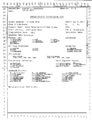
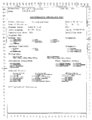
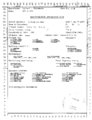
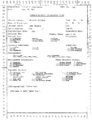
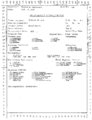
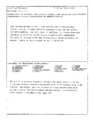
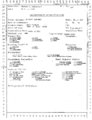
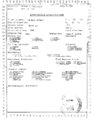
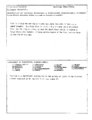
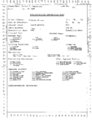
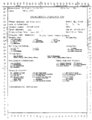
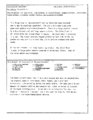
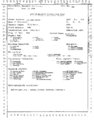
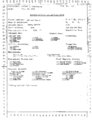
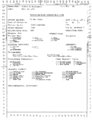
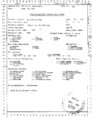
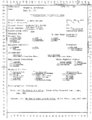
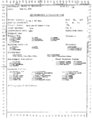
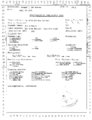
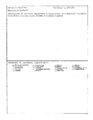
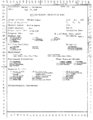
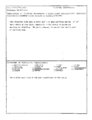
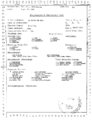
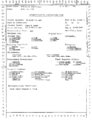
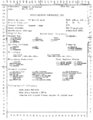
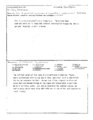
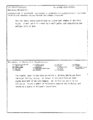
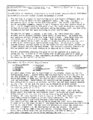
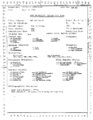
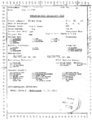
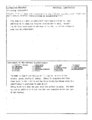
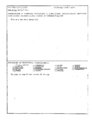
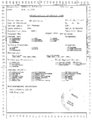
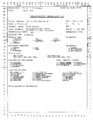
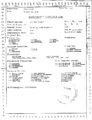
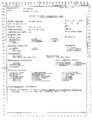
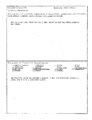
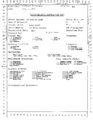
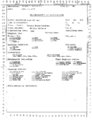
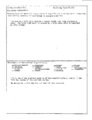
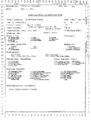
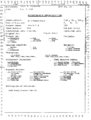
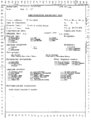
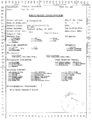
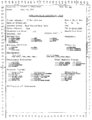
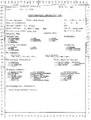
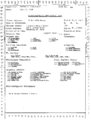
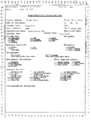
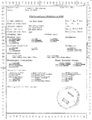
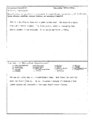
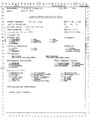
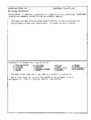
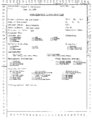
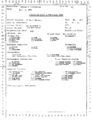
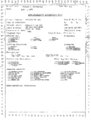
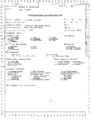
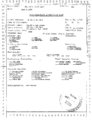
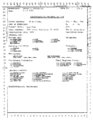
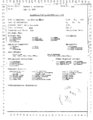
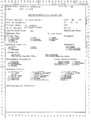
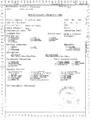
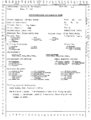
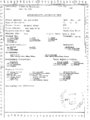
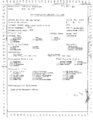
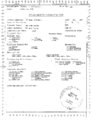
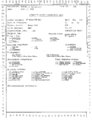
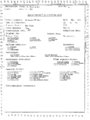
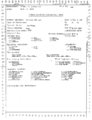
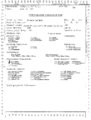
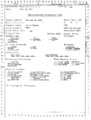
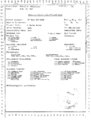
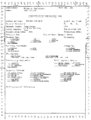
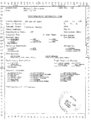
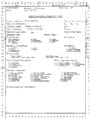
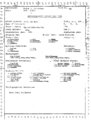
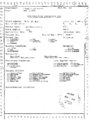
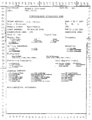
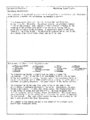
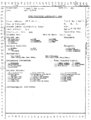
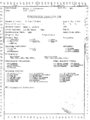
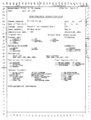
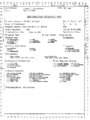
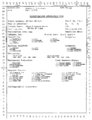
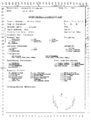
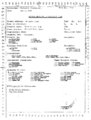
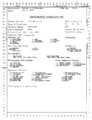
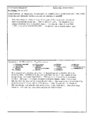
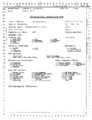
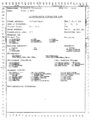
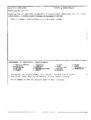
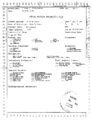
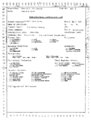
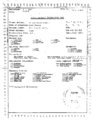
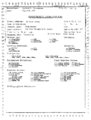
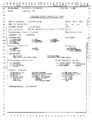
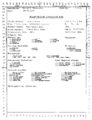
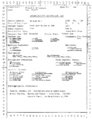
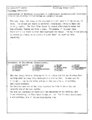
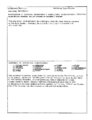
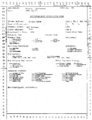
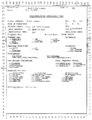
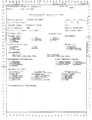
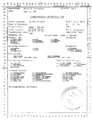
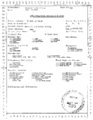
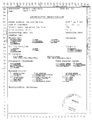
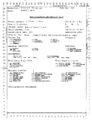
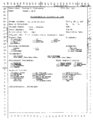
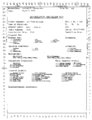
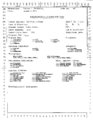
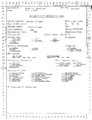
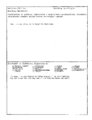
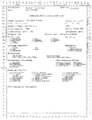
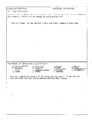
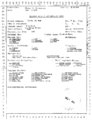
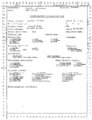
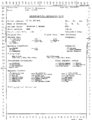
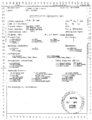
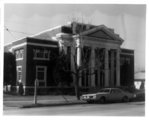
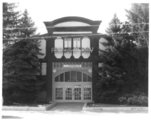
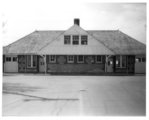
Show Architect/Builder: Building Type/Style: Building Materials: Description of physical appearance & significant architectural features: Include additions, alterations, ancillary structures, and landscaping if applicable With its variant design elements, the Logan tabernacle is classically eclectic in its architectural styling. A rendering drawn prior to 1875 shows the original intention of combining Gothic, Greek, Roman, Byzantine and perhaps other classical and revival features in the building. The present edifice is very much like the building depicted in the old rendering. The dark stone tabernacle is rectangular in plan, measuring 65 x 150 feet. The height to the stop of the tower is 135 ft. The upper floor consists of one room and a vestry while the basement contains eight rooms. The interior is beautifully finished with the woodworking and seats being grained, the floors carpeted and the walls and ceilings frescoed with original designs. The tabernacle is used for stake conferences and other large gatherings and will comfort ably seat 4,000 people, including seating in the gallery. The building cost has been estimated at $100,000. The general form of the tabernacle follows the usual pattern for early Mormon meetinghouses-that of a simply gabled box with an engaged central tower in the front facade. To this form is added much relief and interest through varied detailing. Features include buttresses with stone of alternating colors; quoins of white stone at the building corners and around all the window and door bays; a molded cornice with full return across the front wall and butting into the towner; a vestry which estends outward from the tower and is capped with small, stone pinnacles soaring windows with central mullions and segmented arches; a round window with the Star of David motif within on the tower; and a wooden lantern or steeple which is ornatelv milled and toooed with a aolden dome and several finials... While, these are the add to the rich Suality of the design. -. Aboriginal Americans ___ Agriculture -^Architecture __The Arts _..Connerce -- Ccmtunication --. Conservation _t w^-a+g <?n __Exploration/Settlement __. Industry -- Military' -- Mining -.Minority Groups --Political. --.Recreation -Jt. Beligion -- Science --.Socio-Humanitarian --Transportation The Logan Tabernacle derives its significant from its architectural qualities, and its function as the primary meeting hall in Cache Valley for both religious and public purposes. Its quarter of a century construction period is also interesting. Construction work on the Logan Tabernacle began in 1864, five years after the settlement of Cache Valley, but the heavy increase of population in Cache Valley led to the establishment of many wards in the area with each ward having the responsibility to construct its own meetinghouse. The building of these ward chapels absorbed most of the available labor and cash. Work on the Tabernacle was also slowed because of the absence of several church officials on missionary work and the deaths of leaders, Ezra T. Benson and Peter Maughan. After 1877 and the decision to construct the Logan Temple, the tabernacle was given second priority. In 1877, Charles O. Card, Superin tendent of construction of the Tabernacle, was transferred to supervise the building of the Logan Temple, and Bishop Anthon Skanchy was assigned to supervise work on the Tabernacle until its completion. In an 1873 visit to Logan, Brigham Young advised that the original 60 ft. by 106 ft. foundation be torn out and enlarged to 65 ft. by 130 ft. On January 1874, the basement story was dedicated, and finally in November 1891, the completed tabernacle was dedicated by President Wilford Woodruff. |