| OCR Text |
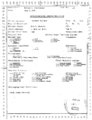
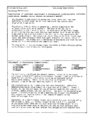
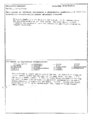
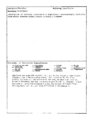
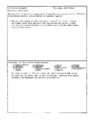
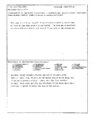
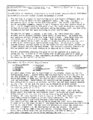
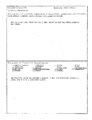
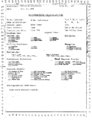
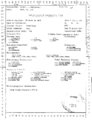
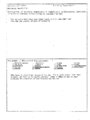
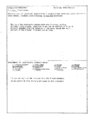
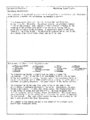
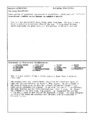
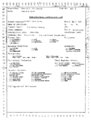
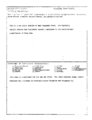
Show iMo. 10-30Qa . 10-74) UNITED STATES DEPARTMENT OF THE INTERIOR NATIONAL PARK SERVICE NATIONAL REGISTER OF HISTORIC PLACES INVENTORY - NOMINATION FORM COftJTI NU ATIQN SHEET_________________ITEM NUMBER 8 PAGE^ 8_________ ____ virtual boom town atmosphere in the valley. The project took seven years of intensiv labor and sacrifice from the valley citizens. Today, this beautiful ediface is stillj the symbolic structure of the valley. Logan 1 s central location and its excellent water supply soon made it not only the religious center of the valley, but the economic and financial center as well. By the mid-eighties, the two major streets of the town, Center and Main, became the commercial center of the entire valley. These streets are still the center of the valley's commercial district with some of the buildings dating back to the- 1860's. Most, however, are late nineteenth and early twentieth century. By the eighteennineties, Logan had progressed beyond the pioneer stage and was now entering into the! mainstream of American life. The town began to show the physical effects of the desire to be accepted by the rest of the American society. Cooperative Economic Activities It is interesting and significant to see how the basic needs of these pioneer settlers were met. The first problem of the pfbneer settlers were those of survival-^ a thing which proved to be more difficult than most had anticipated. Fortunately, j in the compact, well-organized villages, and in the habit of working together cooperatively, the early settlers possessed institutions aptly suited for meeting the enormous difficulties which were to arise. One of the most serious problems was the j need to get the water from the many rivers to the land on which the pioneers used ; as farmland. Since the land immediately adjacent to the Logan River was designated j as the townsite, the settlers had to somehow divert the water from the river to their farms some distance away. Irrigation canals were the natural answer, but this large task could not be done by the individual. Therefore, cooperation was used in the solving of the irrigation problems. As early as 1860, canals were in the process of being constructed. It was an immense project, one that took backbreaking efforts andj a great deal of time despite the use of cooperation. One pioneer remembers that, "The man who could shovel the most dirt or cut the most hay or grain, or bring the largest load of logs or wood from the canyon was the hero of the community in those times." 10 Even today the very canals which were built over a hundred years ago are still in use and are a significant part of the district. Another need of the Logan founders was lumber with which to build their homes, fences, and barns. The valley floor was virtually absent'of trees and so were the adjacent mountain sides. The kind of lumber needed for building was far back in the canyons and quite inaccessible, especially for the individual. So once again, the Nibley, Charles, Reminiscences (Salt Lake City, 1930). p. |