| OCR Text |
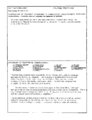
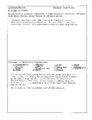
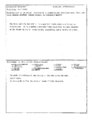
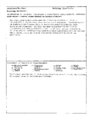
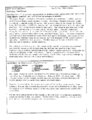
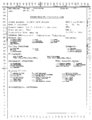
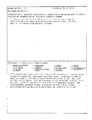
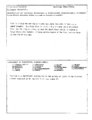
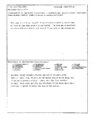
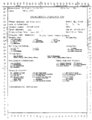
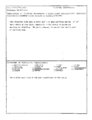
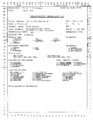
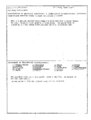
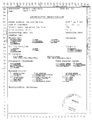
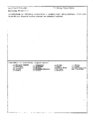
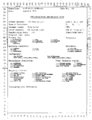
Show form No. 10 300a (Hev. 10-74) UNITED STATES DEPARTMENT OF THE INTERIOR NATIONAL PARK SERVICE NATIONAL REGISTER OF HISTORIC PLACES INVENTORY - NOMINATION FORM CONTI NU AT1ON SHEET ITEM NUMBER FOR K?$ US€ ONLY RECEIVED rjfQ DAT£ ENTERED 8 28 PAGE 9,000 feet and are 5,000 feet above the valley floor, but millions of years ago they became the rim of Lake Bonneville which left its own legacy. This great and ancient lake at one time covered 19,750 square miles and inundated most of Utah, Idaho and Nevada. As the lake began to leave the valley, its gradual decline brought down large amounts of gravel, silt, sand and clay from the mountains and deposited these unknowing passengers on the floor of the valley, thus making it unusually level. As the winds blew and the rains came and time passed, a fertile brown soil of about eight inches was placed on top of this high, but level floor of Mother Earth, and the result was a valley that was most suitable for agriculture if the suitor could only overcome the thorns of a rather stoic sky (when it came to tears) and a few million grasshoppers and crickets. These two problems, though severe to any man seeking a quick profit, proved not to be so overwhelming to a group of settlers willing to work together closely and to patiently survive the first few desperate years until the groundwork for a successful economy could be laid. The Settlement of Cache Valley The Mormons, or members of the Church of Jesus Christ of Latter-day Saints, came to the territory, which is now Utah, in 1847 and first settled in the valley of the Great Salt Lake. They came to find a place in the West that nobody wanted where they could live and worship God as they pleased without conflict with non-Mormons. Cache Valley is almost unique among Mormon settlements in that the settlers who came to build the cities in this valley were not "called" or assigned to go to Cache Valley by the great Mormon leader, Brigham Young. In the settling of Cache Valley, the pioneers came out of desire and love of the land, although they did get Brother Brigham's blessing in the venture. Cache Valley had been visited by mountainmen and trappers for years .before the Mormons came. In fact, Jim Bridger had told Brigham Young that this valley was probably as fertile as any around and certainly better than that of the valley of Salt Lake. But the nineteenth century Moses had already made up his mind on the valley to the south, and that is where the Saints first settled. But Young's plans were for an empire expanding over the entire mountain west, and as soon as they had arrived, he began sending out explorers to evaluate other possible sights for his communities. Jessie C. Little headed for Cache Valley in August 1847 and reported that the valley was, "beautiful and had more timber than any place... explored. From an area of nine miles to nineteen and one-half miles, there were 2 Ibid, p. 32 |