| OCR Text |
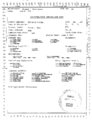
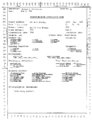
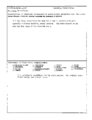
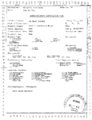
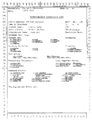
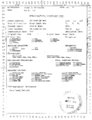
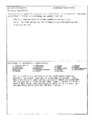
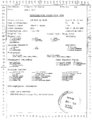
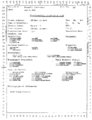
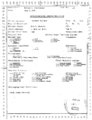
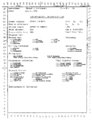
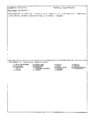
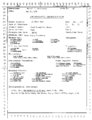
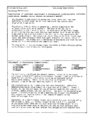
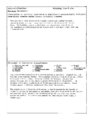
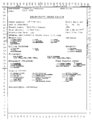
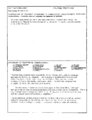
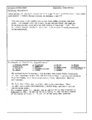
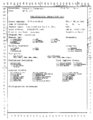
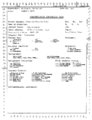
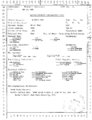
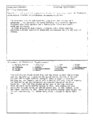
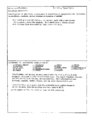
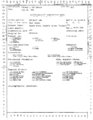
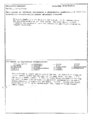
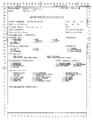
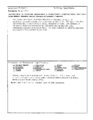
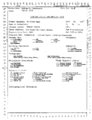
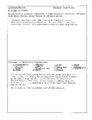
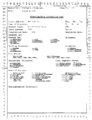
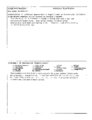
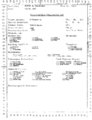
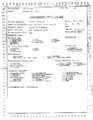
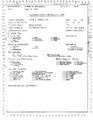
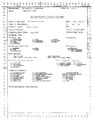
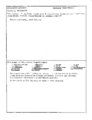
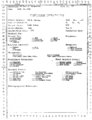
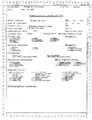
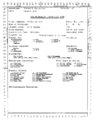
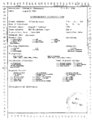
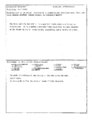
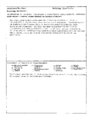
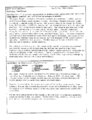
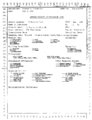
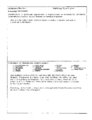
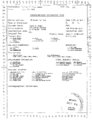
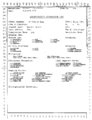
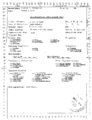
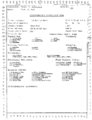
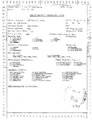
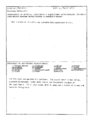
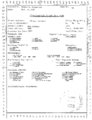
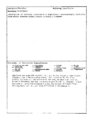
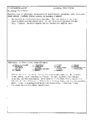
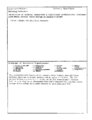
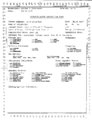
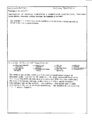
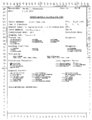
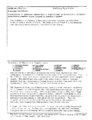
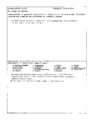
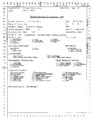
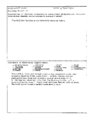
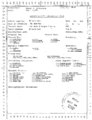
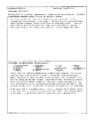
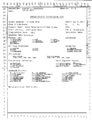
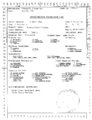
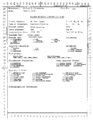
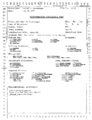
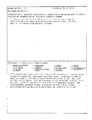
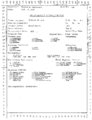
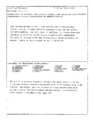
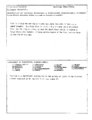
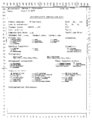
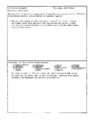
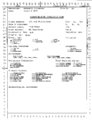
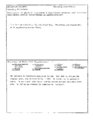
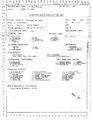
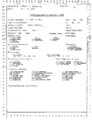
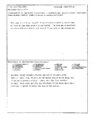
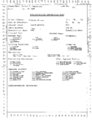
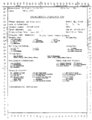
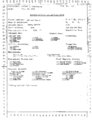
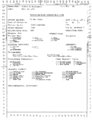
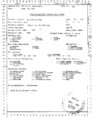
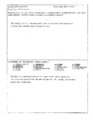
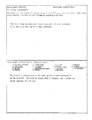
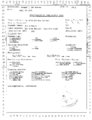
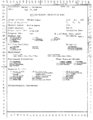
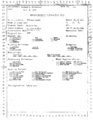
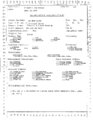
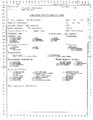
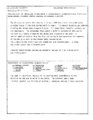
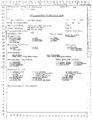
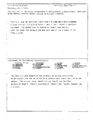
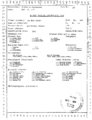
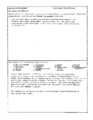
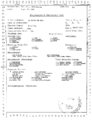
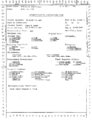
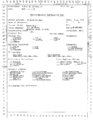
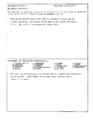
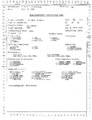
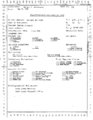
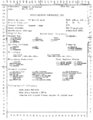
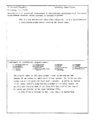
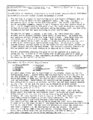
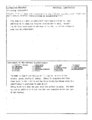
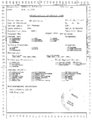
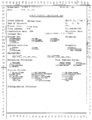
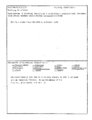
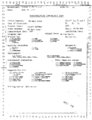
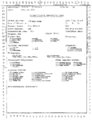
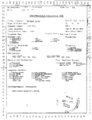
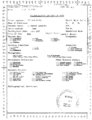
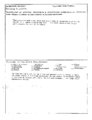
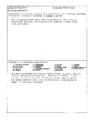
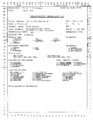
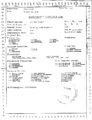
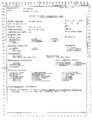
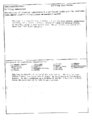
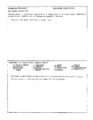
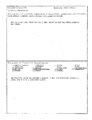
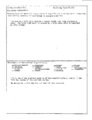
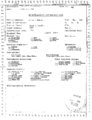
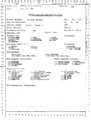
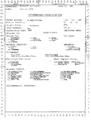
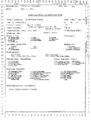
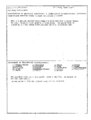
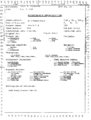
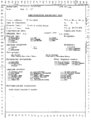
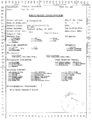
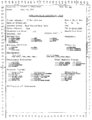
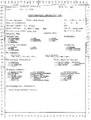
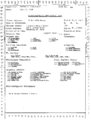
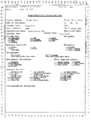
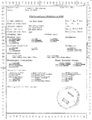
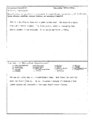
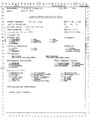
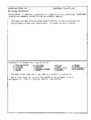
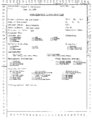
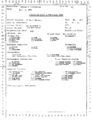
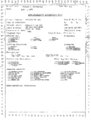
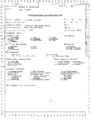
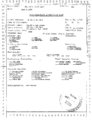
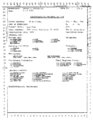
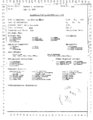
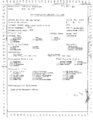
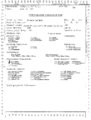
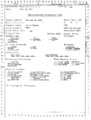
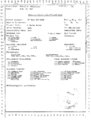
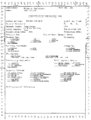
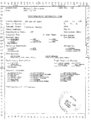
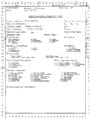
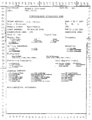
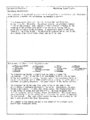
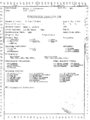
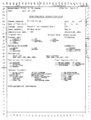
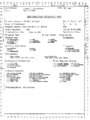
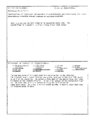
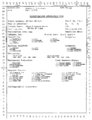
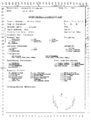
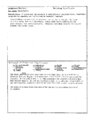
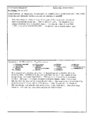
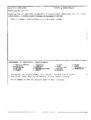
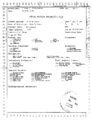
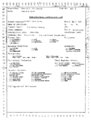
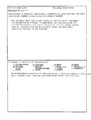
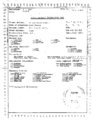
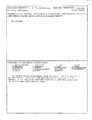
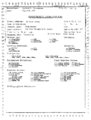
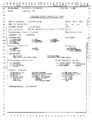
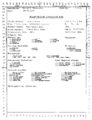
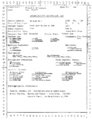
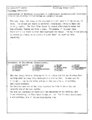
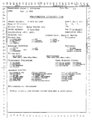
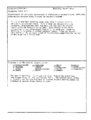
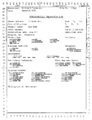
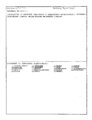
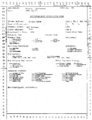
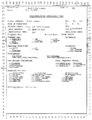
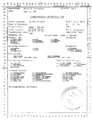
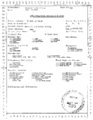
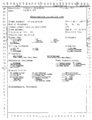
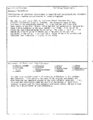
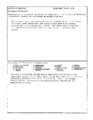
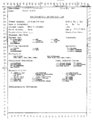
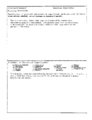
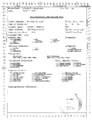
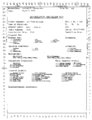
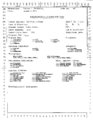
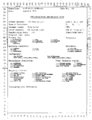
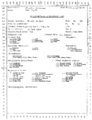
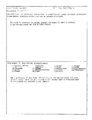
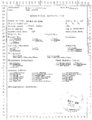
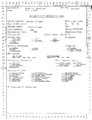
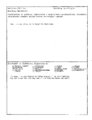
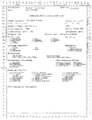
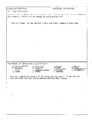
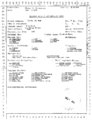
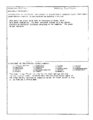
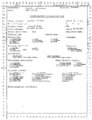
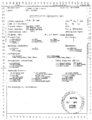
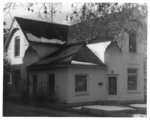
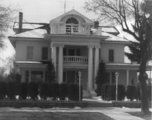
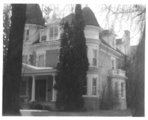
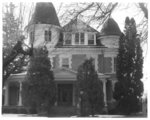
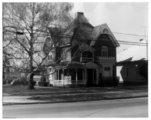
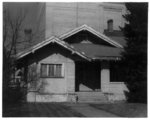
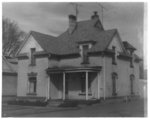
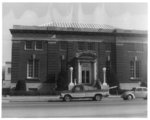
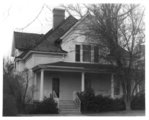
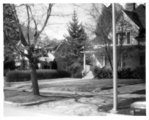
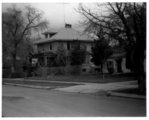
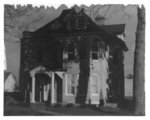
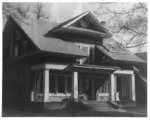
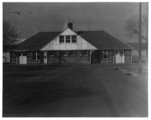
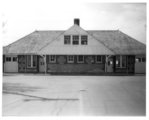
Show Architect/Builder: Building Materials: Building Type/Style: Description of physical appearance & significant architectural features Include additions, alterations, ancillary structures, and landscaping if applicable This Queen Anne home has been well taken care of and is in good condition. Its irregularity of plan and variety of wall surfaces emphasizes its Victorian heritage. The home is a natural brick but is detailed by such elements as white wood gables with plaster designs crowning the home on three sides. A large expansive portico begins in the front of the home and wraps around to the east side. The portico is enhanced by a formal balustrade painted white, giving it a striking prominence to the brick background. The portico is supported by unfluted doric columns, giving even more elegance to the structure. Statement of Historical Significance: _-. Aboriginal Americans __ Agriculture 2L- Architecture __ The Arts __,Cornierce .... Cammnication __. conservation . L Education __ExplorataJon/Settletnent -. Industry -_ Military' -- Mining --iMinority Groups --.Political. --.Recreation 2L- Religion -- Science --.Sodo-Hutnanitarian --Transportation This home was originally used as a boarding house in its early history, but in 1903 the home was turned into the first hospital in the valley with a capacity of seven beds in four rooms. The building did not last long as a hospital because Logan built another one just a few years later. In 1916, the house was sold to the Presbyterian Church which used it as a boarding louse for the students that attended the church's New Jersey Academy. This academy was established in 1878 and was the first non~Mormon school in the valley. At that time it was known as the Logan Academy, but in 1890 the Women's Synodical Society of New Jersey contributed $11,000 to the construction of new buildings for the academy, and the name was then changed. This structure was then used as a boarding house for the female students of that school. |