| OCR Text |
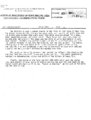
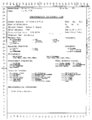
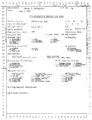
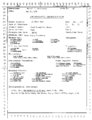
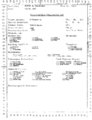
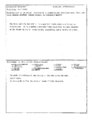
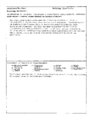
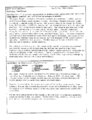
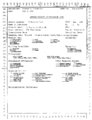
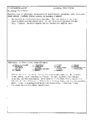
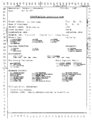
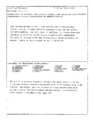
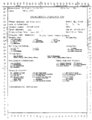
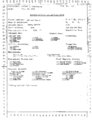
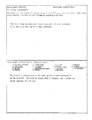
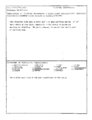
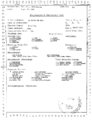
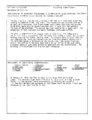
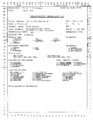
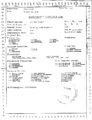
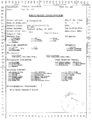
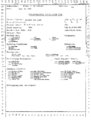
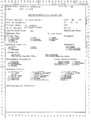
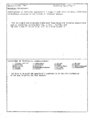
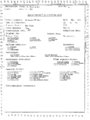
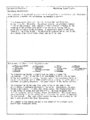
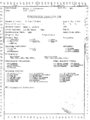
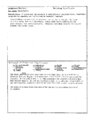
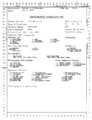
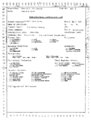
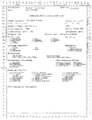
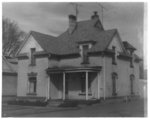
Show Form No 10-300a '.Hev. 10-74) UNITED STATES DEPARTMENT OF THE IN TERIOR NATIONAL REGISTER OF HISTORIC PLACES INVENTORY - NOMINATION FORM CONTINUATION SHEET FOR ftPSU&E Qm%: *.:i&:^^ ^ «*.-•,. .* ^ NATIONAL PARK SERVICE iTEM NUMBER DATS EfffEREg 8 PAGE 6 county surveyor, James H. Martineau, and the territorial surveyor, Jessie VI. Fox, surveyed and platted the town, making it ready for the extablishment of city lots. Also that summer, Brigham Young visited Cache Valley and advised the settlers accordingly: There are a few trees here. Raise orchards, if only for the welfare of your children.... Why not quarry rock and build stone houses and make stone fences? Stone makes a good fence and it will not winterkill. Build good fences, have good gardens and make yourselves happy, serving God.... Build meeting.houses, put up the lumber and make bins in which to'put up your wheat so that it can be safe for fifty years if needed.7 As soon as these faithful followers of the "modern-day Moses" received their city lot (given to them by Bishop Maughan), they did just what President Young had advised. For the Mormons came to Utah and Cache Valley because they wanted a place where they could reside and worship as they pleased and build a kingdom for their God.; There was no desire to exploit the natural resources of the area and then take the I wealth from that exploitation back east for a prosperous life among the affluent. ( Such etheral goals, however, would take time and determination. So the Mormons \ built sturdy rock homes because they were here to stay. Four of these rock homes ! (#100, 602, 600, 348) are still standing and are important elements of the district because they not only represent the first stage of the city's developmental process, f but they.also signify the pioneer's intentions of permanency. Since the wood and stone used to build the homes was all garnered locally, they are-excellent examples of vernacular architecture. r There is one other aspect of early Mormon culture represented in one of the -rock j homes-in the district, and that is polygamy. Polygamy or plural marriage was a tenent of the Mormon religion until the federal government forced the church to stop the ; practice in 1890. 8 The George L. Farrell home (#100) in the district was a polygamy : home, and its survival explains much about that controversial Mormon Doctrine. j i Logan and the City of Zion Plan j By 1864 the city had now been surveyed and laid out and the properties deeded, ! though in fact, they were just squatters on public domain since the land still remained officially in the hands of the federal government. But what was the plan of the city? The settlement of the city and its plans for future growth had been worked out long ; ?Ricks, The History of a Valley 8 Alien, James B. and Leonard,Glen, The Story of the latter-day Saints. Deseret [ Book Company. Salt Lake City 1976 p. 278-279. |