| OCR Text |
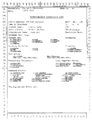
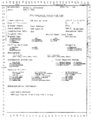
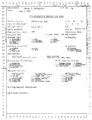
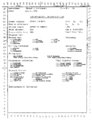
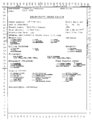
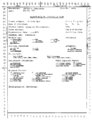
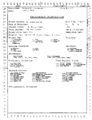
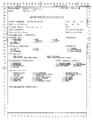
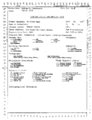
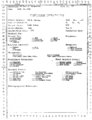
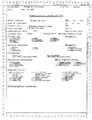
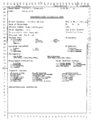
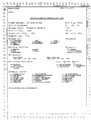
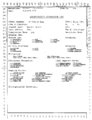
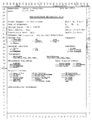
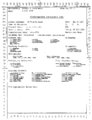
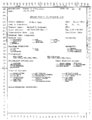
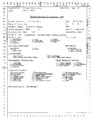
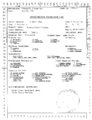
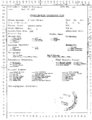
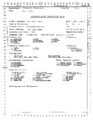
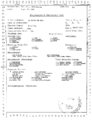
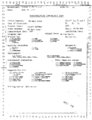
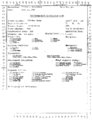
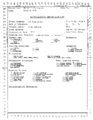
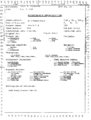
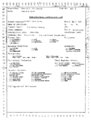
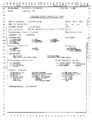
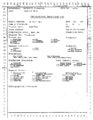
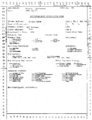
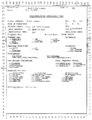
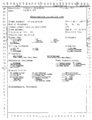
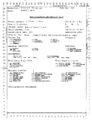
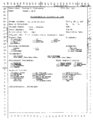
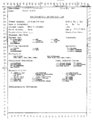
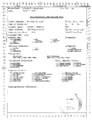
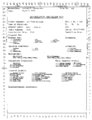
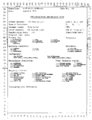
Show Building Type/Style: Architect/Builder: Building Materials: Description of physical appearance & significant architectural features: Include additions, alterations, ancillary structures, and landscaping if applicable The Logan Temple, started in 1877 and completed and dedicated in 1884, was the third Mormon temple to be erected in Utah. The temple grounds comprise a full city block of approximately 10 acres. The main building of the temple is 171 feet long, 95 feet wide, and 86 feet square, with an octagonal tower at each corner 100 feet high, and a large square tower at each end. The tower at the west end is 165 feet high, and the one at the east end is 170 feet high. Massive buttresses strengthen the walls. A crenellated battlement at the tops of the towers and side walls adds a fortress-like effect to the modified Gothic style. The main construct ion material is dark fucoid quartzite which was quarried locally. The lumber for the building was obtained from Logan Canyon and was prepared at the temple sawmill specially installed for that purpose. Window bays are Roman arched but the mullions are arranged in Gothic patterns. The building has five stories. The rooms of the temple correspond in a general way with the rooms of all Mormon temples and are designed to graphically represent man's journey through life and to instruct temple patrons in covenants and ordinances relating to their exaltation. Due to a modernization of some of the mechanics of the various temple ceremonies, the building is presently undergoing some renovation both on the interior and exterior. Statement of Historical Significance: -, Aboriginal Americans .-.Agriculture Architecture __ Hie Arts -- Conmerce -- Comunicatian --Conservation KdnPrv*"icBi __ Sxploratoon/Settlenent -_ Industry __ Military' --. Mining --Minority GEOUDS -.Political, * -.Recreation X- Heligion --.Science -.Transportation The Logan Temple has been described as the structural and spiritual symbol of the valley and is already on the Register. Begun in 1877 and completed in-1884, the construction of the temple created six new industries and provided jobs for 25,000 people over its seven-year period of construction. Most of the material for the temple and much of the funding came locally, thus making it a huge public works project and a means of redistributing wealth, since the wealthy were actually supporting the craftsmen and laborers who constructed the edifice. The spiritual significance of the temple is derived from the ordinances performed inside for worthy Latter-day Saints. Those ceremonies, baptism, marriages and sealings are designed to prepare man for exaltation. |