| OCR Text |
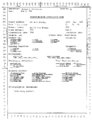
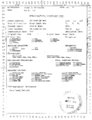
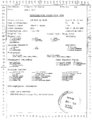
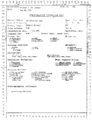
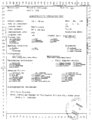
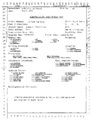
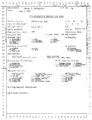
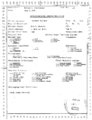
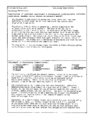
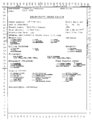
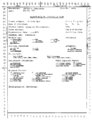
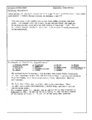
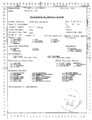
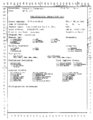
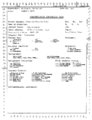
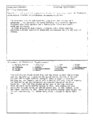
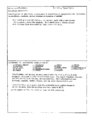
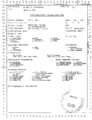
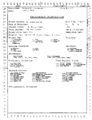
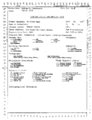
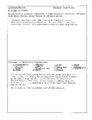
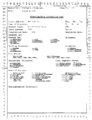
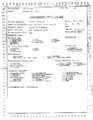
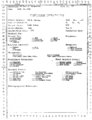
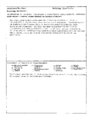
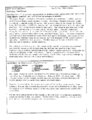
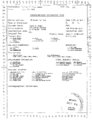
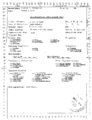
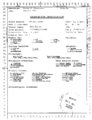
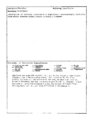
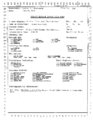
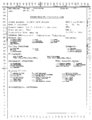
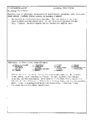
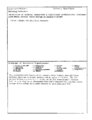
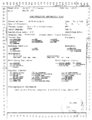
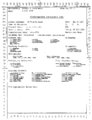
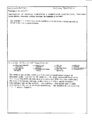
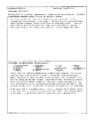
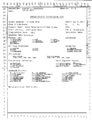
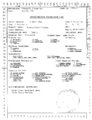
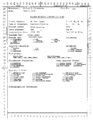
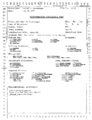
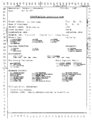
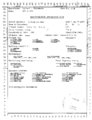
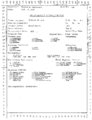
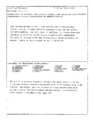
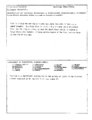
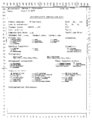
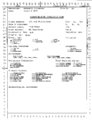
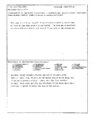
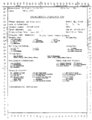
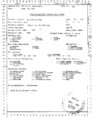
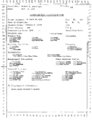
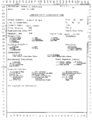
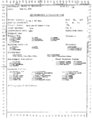
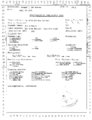
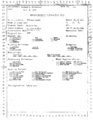
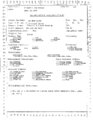
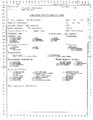
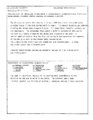
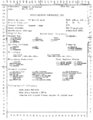
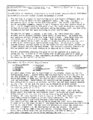
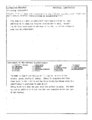
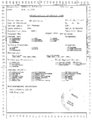
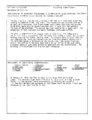
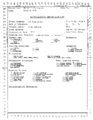
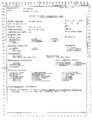
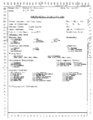
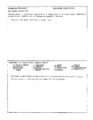
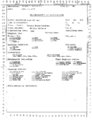
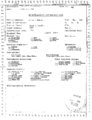
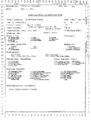
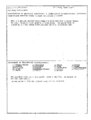
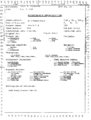
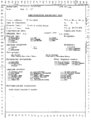
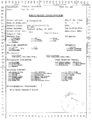
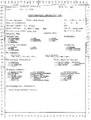
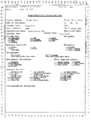
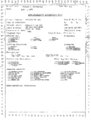
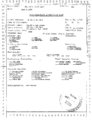
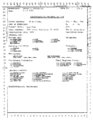
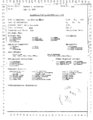
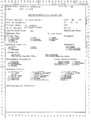
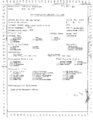
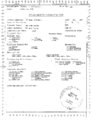
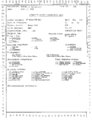
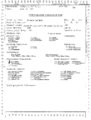
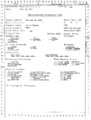
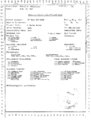
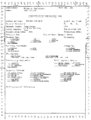
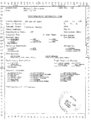
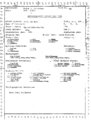
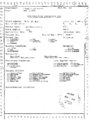
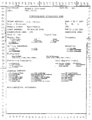
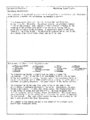
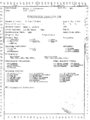
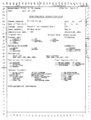
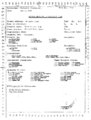
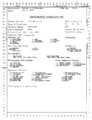
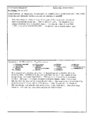
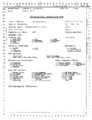
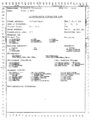
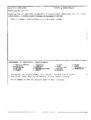
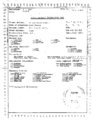
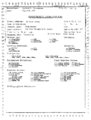
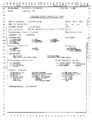
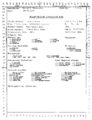
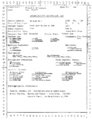
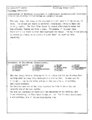
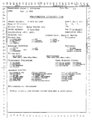
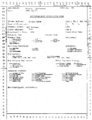
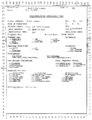
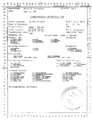
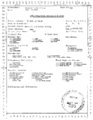
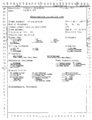
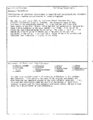
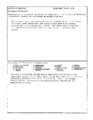
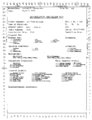
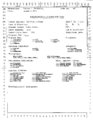
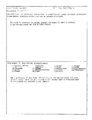
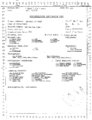
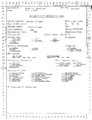
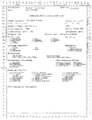
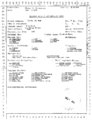
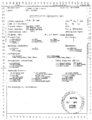
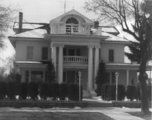
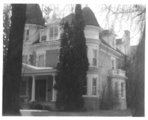
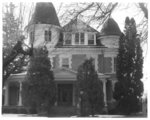
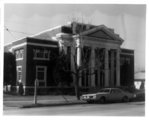
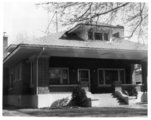
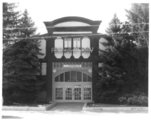
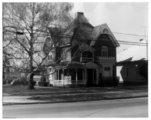
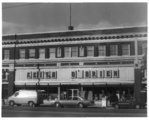
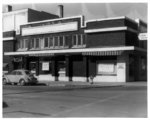
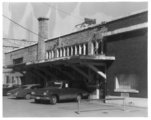
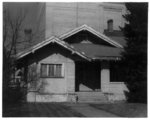
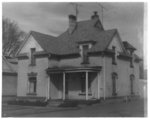
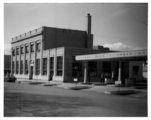
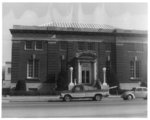
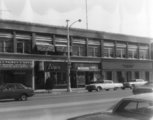
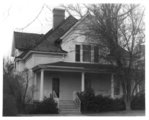
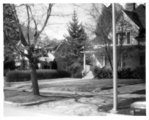
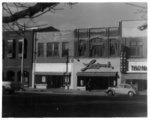
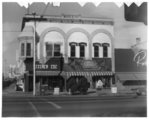
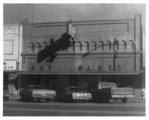
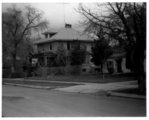
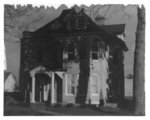
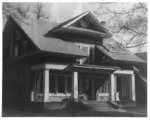
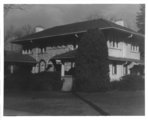
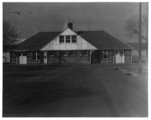
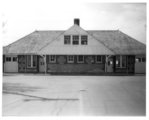
Show DESCRIPTION CHECK ONE CONDITION -EXCELLENT 2LGOOD -FAIR . CHECK ONE -DETERIORATED JSUNALTERED JSORIGINALSITE -RUINS JSALTERED _MOVED DATE. - UNEXPOSED DESCRIBE THE PRESENT AND ORIGINAL (IF KNOWN) PHYSICAL APPEARANCE The Logan Center Street Historic District forms the central focus of the early development of Cache Valley. The valley was settled in 1859 by Mormon pioneers, and it was to Logan that the settlers came in the greatest numbers for two reasons: its central location in the valley and the strength of its life supporting water supply. The Center Street Historic District has several important components. First, the Mormon Temple (#207) (the only one in the valley), is the valley's most significant symbolic structure and forms the eastern anchor of the district. The western anchor is the Union Pacific Railroad station (#400) built in the 1890s. This beautiful structure signifies the truly historic event of the coming of the railroad to this once quite isolated community. The homes form a large part of the district and are mostly post-railroad. Predominant styles are: Vernacular, Prairie, Victorian, Neo-classical and bungaloid. Each expresses a great deal about the stages of growth of the district, and hence the community as well. Most of the commercial buildings are post-railroad also. This area is the oldest commercial area in the town, and one of the oldest and certainly the largest in the valley. The other major buildings in the district are public, the most important being the Cache County Courthouse (#142) which is the northern most building in the district. Built in the early eighteen^eighfcies it signifies that Logan was not only the religious and commercial center of the valley but the governmental center as well. The district then is an excellent microcosm of the history of not only Logan but of the entire valley. 1. Homes. The homes in the district can be classified into two general categories. Firstly, there are the vernacular homes. These are the oldest homes (1860-1880) and are built completely with local resources. They are very simple in design and structure and are quite utilitarian in both plan and design. Most of the vernacular structures are built of adobe, rock or wood. The four excellent rock structures in the district are well preserved and are the best examples of this style. These homes are highly regarded because they express the achievements of the very early settlement days of austerity and sacrifice. Secondly, there are the homes built after the coming of the railroad when the use of "outside" materials and national architectural styles (1873-1915) became popular. The homes use many building materials, though the most dominant kind is brick, some of which was made locally. The most prominent style is Victorian with its substyles of Stick, Queen Ann, and Shingle. However, the Prairie, Neo-classic, Richardsonian Romanesque are also present. The latest style included in the district is the Bungaloid, |