| OCR Text |
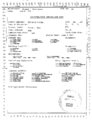
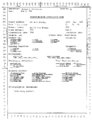
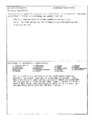
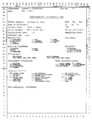
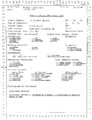
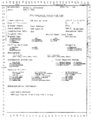
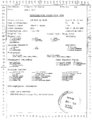
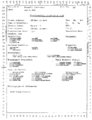
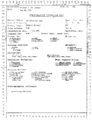
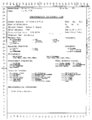
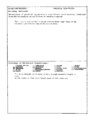
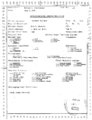
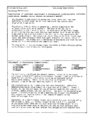
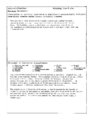
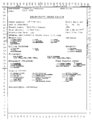
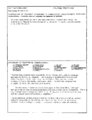
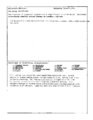
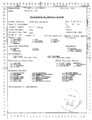
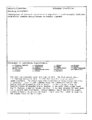
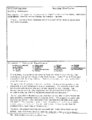
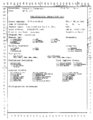
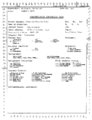
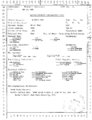
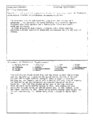
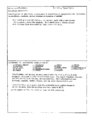
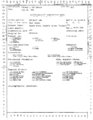
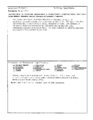
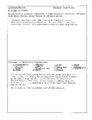
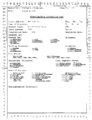
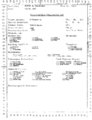
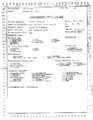
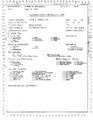
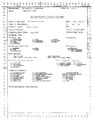
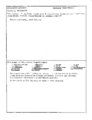
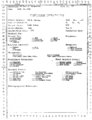
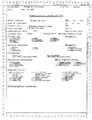
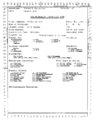
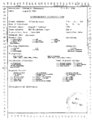
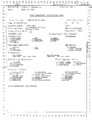
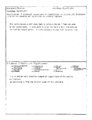
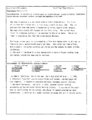
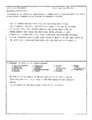
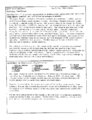
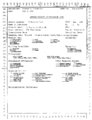
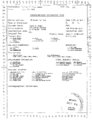
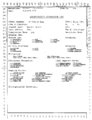
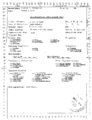
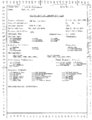
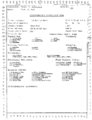
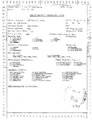
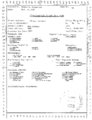
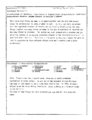
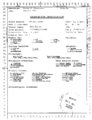
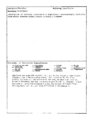
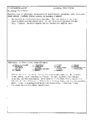
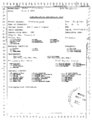
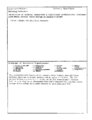
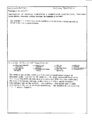
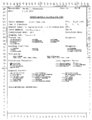
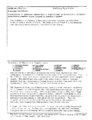
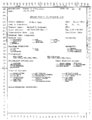
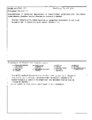
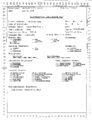
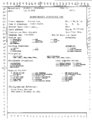
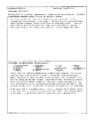
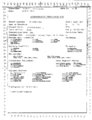
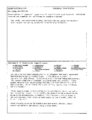
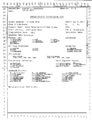
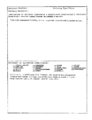
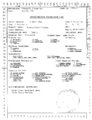
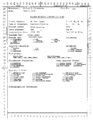
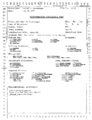
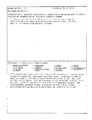
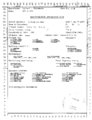
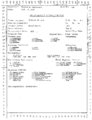
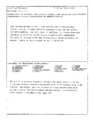
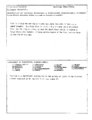
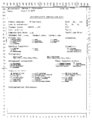
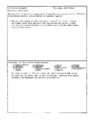
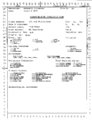
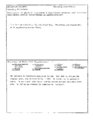
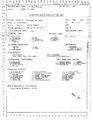
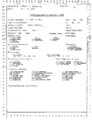
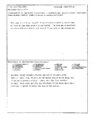
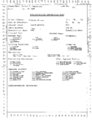
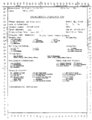
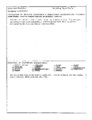
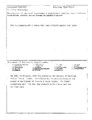
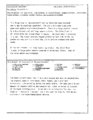
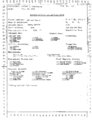
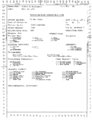
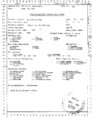
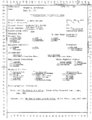
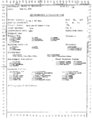
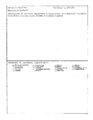
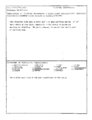
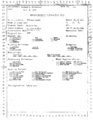
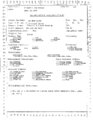
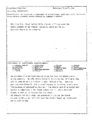
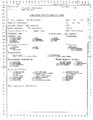
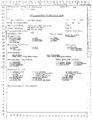
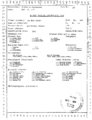
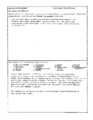
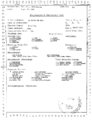
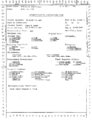
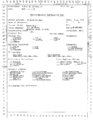
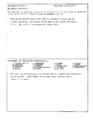
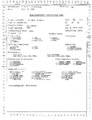
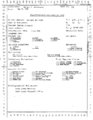
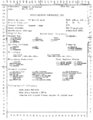
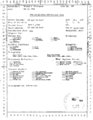
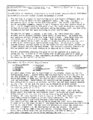
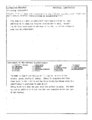
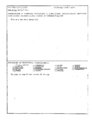
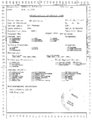
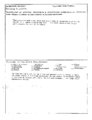
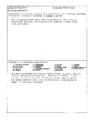
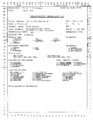
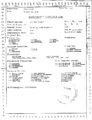
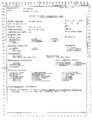
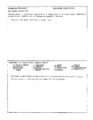
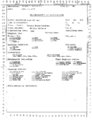
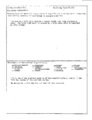
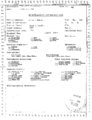
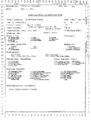
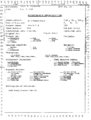
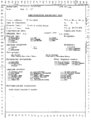
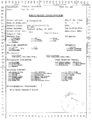
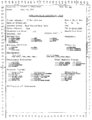
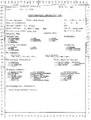
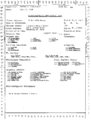
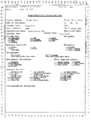
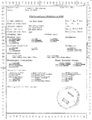
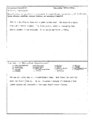
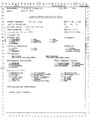
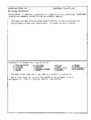
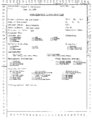
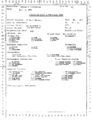
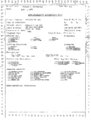
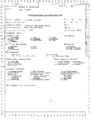
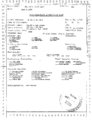
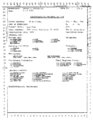
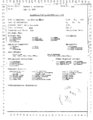
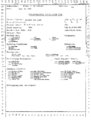
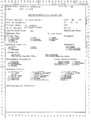
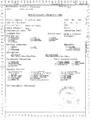
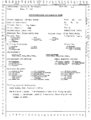
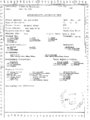
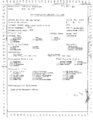
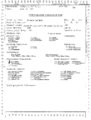
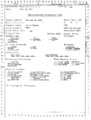
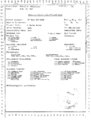
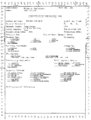
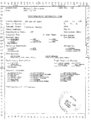
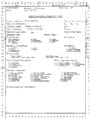
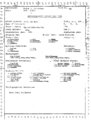
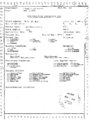
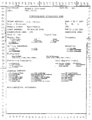
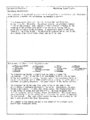
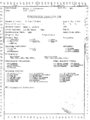
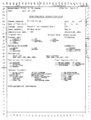
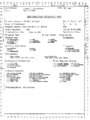
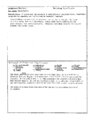
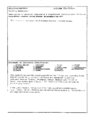
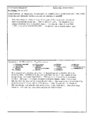
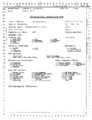
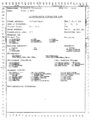
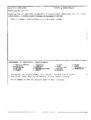
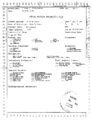
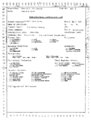
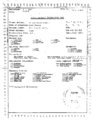
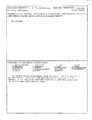
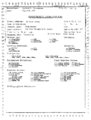
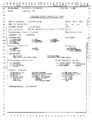
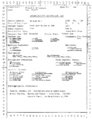
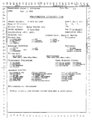
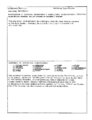
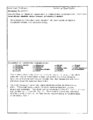
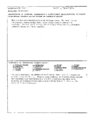
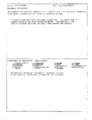
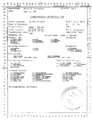
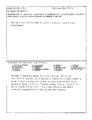
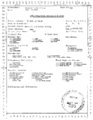
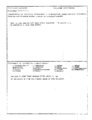
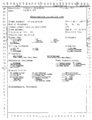
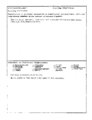
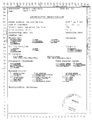
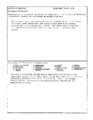
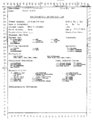
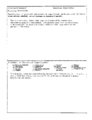
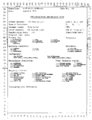
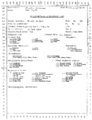
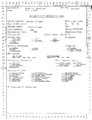
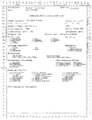
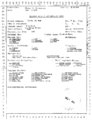
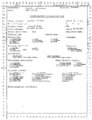
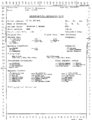
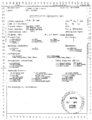
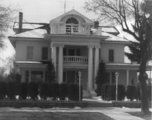
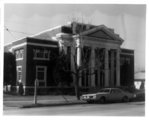
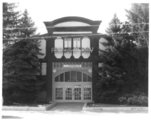
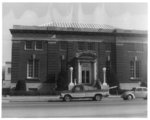
Show Architect/Builder: Building Type/Style: Building Materials: Description of physical appearance & significant architectural features: Include additions, alterations, ancillary structures, and landscaping if applicable The structure is neo-classic in design and though there have been some additions, it still keeps the original feeling of the classic style after which it was built. The entrance to the building is covered by a portico supported by the unfluted columns with doric capitals. The portico and the entire entabulature is plain Greek in style. At each corner of the front facade an addition has also been made that has been matched in brick and in style. A new section has also been added to the back but is also sympathetic and matches quite closely. The corners of the building in the front facade have large, two story pilasters which once again emphasize the classic intent of the architect. The windows are a combination of Neoclassic and Greek Revival styles all in a very balanced and symmetrical order. The dome on top of the courthouse crowns the entire building structure giving the building a sense of majesty and elegance. Statement of Historical Significance: -- Aboriginal Americans ___ Agriculture J^_ Architecture __ The Arts e -- Communication -- Conservation _.Education __ Exploration/SettlenKit -- Industry -. Military ' -•Mining __ iMinority Groups --.Political. " --Recreation -&. Religion Science • , .Soejo^umanitarian -- Transportation The building is significant for several reasons. First, it is the oldest courthouse in Utah still used as a courthouse. Second, it was built by -one of Cache Valley's earliest cooperatives which was an important part of Utah's early history. Third, the Neoclassical architecture of the building is one of the few remaining styles in the area. The structure was built in 1882-83 by the Logan Second Ward United Order Manufacturing and Building Company at a base cost of $17,814.79. Truman 0. Angell , Jr. was the architect, the son of the architect for the tabernacles of Paris, Idaho; Brigham City and Coalville. The brick for the building was burned in Smithfield and all of the timber was cut in Logan and Blacksmith Fork canyons and sawed in the U.O.M.&B. Company's sawmill on the banks of the Logan River. Apparently, only the finishing touches were ordered from outside Cache Valley for on June 4, 1883, C.W. Nibley, Manager of the U.O.M. & B., reported to the County Court "that the new court house was finished except for the hand railing and newel posts on the main stairway and back stairway; that said railing and posts had been ordered from Chicago and were expected soon." |