| OCR Text |
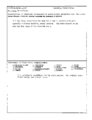
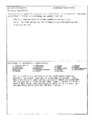
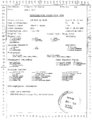
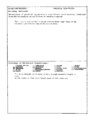
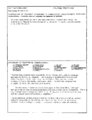
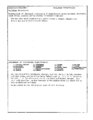
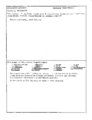
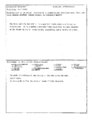
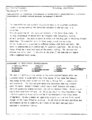
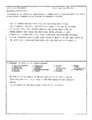
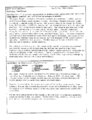
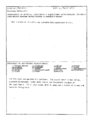
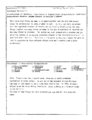
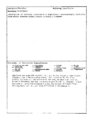
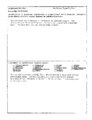
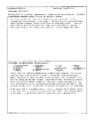
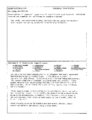
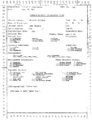
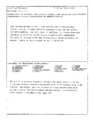
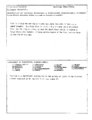
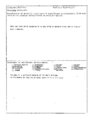
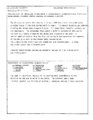
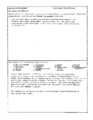
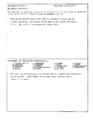
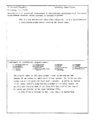
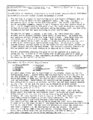
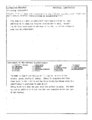
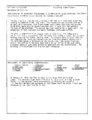
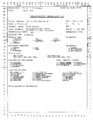
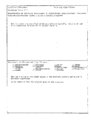
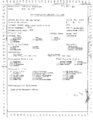
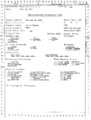
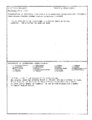
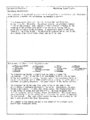
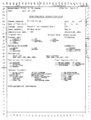
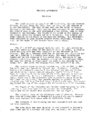
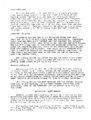
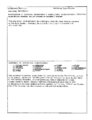
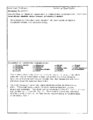
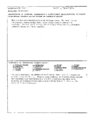
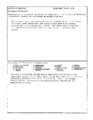
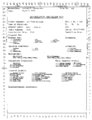
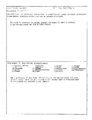
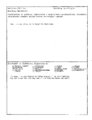
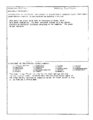
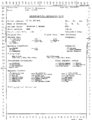
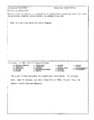
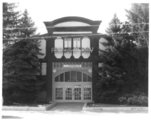
Show i No, 10-300a . 10-74) UNITED STATES DEPARTMENT OF THE INTERIOR NATIONAL PARK SERVICE NATIONAL REGISTER OF HISTORIC PLACES INVENTORY - NOMINATION FORM CONTI NU ATiON SHEET ITEM NUMBER 8 PAGE before the pioneers had ever come to Cache Valley. The founder of the Mormon Church, Joseph Smith, had determined the city plans for the "ideal" Mormon community in 1833. "This ideal city was to be one mile square, with ten-acre blocks, divided .into one-half-acre lots, one .house to the lot; a complex of temples was located on two city blocks. The ideal, according to Joseph Smith, was to fill this city then another one next to it, and so on as needed to fill up the world in these last days." 9 The plan was modified a little in regards to the number of temples in the area, but the rest of Joseph Smith's ideal was applied to Logan with great care, thus formalizing the village concept. Each family received a town lot of about an acre I and a quarter upon which they were to plant their vegetables and small orchard as well as their home. In addition to the city lot, each family was given approximately! two farm tracts to plant their crops. The tracts were situated on the perimeter of l the city lots just a short distance from their homes. This required a daily ride to their farms, but it also continued the close" relationship of the fort style life that, the settlers had previously known. This village lifestyle allowed for the close contact of the individuals with one another, thus allowing the development of culture through schools, neighborhoods, entertainment, commerce, and, of course, churches. Out of this lifestyle, unique forms emerged which contradicted some of the traditional frontier methods. For example, no one could own the water, though anyone could receive a share providing he did his part in the construction or maintenance of the canals. A similar condition existed with timber and to some extent land. New arrivals to these early communities received land allocations without charge. The plan of Zion, as mentioned, set aside ground for particular buildings, namely a meeting place and a temple, and in 1865, excavation for the construction of a tabernacle (1260) began. However, for several reasons, the construction of the religious and public ediface was delayed and the tabernacle was not finished until 1891. This impressive structure has been used for all the conferences of the Mormon Church as well as many public meetings and performances. The structure is still standing and is an integral part of the district. Once again, most of the material for the impressive building is local, including the rock of which it is built.. The crowning stage of the implementation of the City of Zion Plan was the construction of a temple. Logan began the construction of this magnificent stone structure in 1877. (#207) The raw materials for the construction of the temple again came from the local canyons, and the work and the demand for the project created a 9 Ibid, p. 81-32 |