| OCR Text |
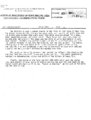
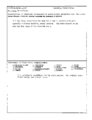
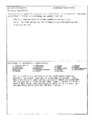
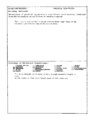
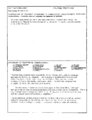
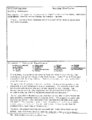
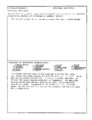
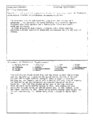
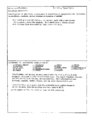
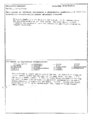
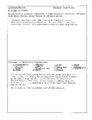
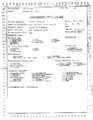
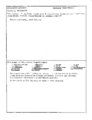
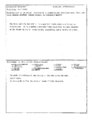
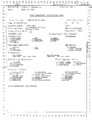
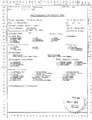
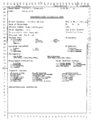
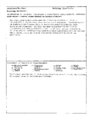
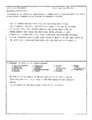
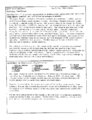
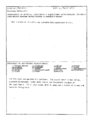
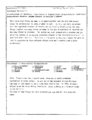
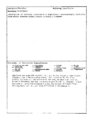
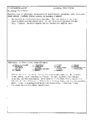
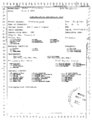
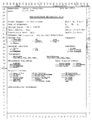
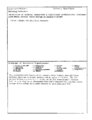
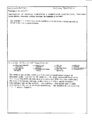
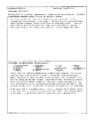
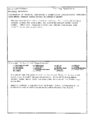
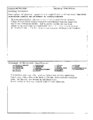
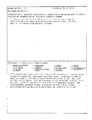
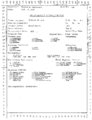
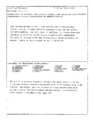
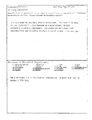
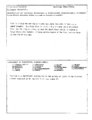
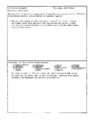
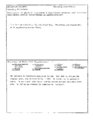
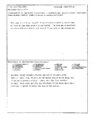
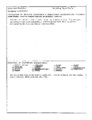
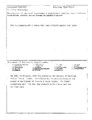
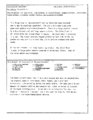
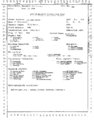
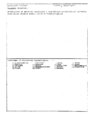
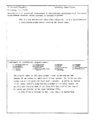
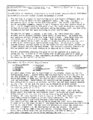
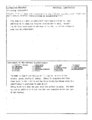
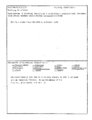
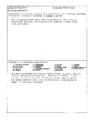
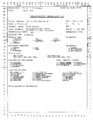
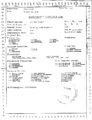
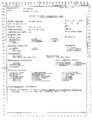
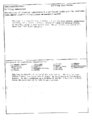
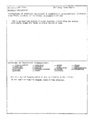
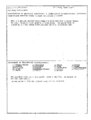
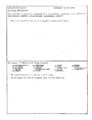
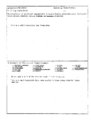
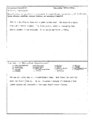
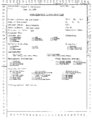
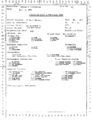
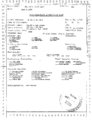
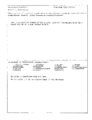
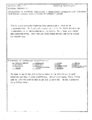
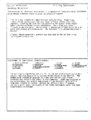
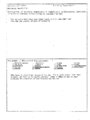
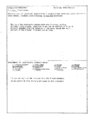
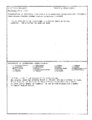
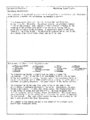
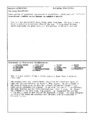
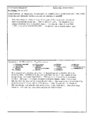
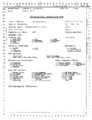
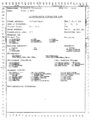
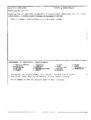
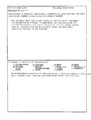
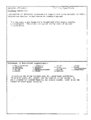
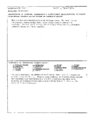
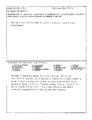
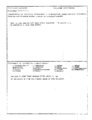
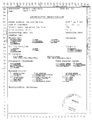
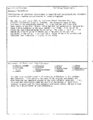
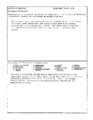
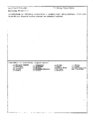
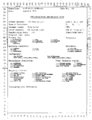
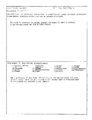
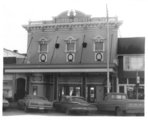
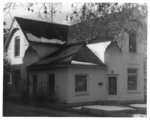
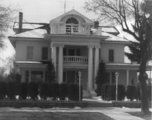
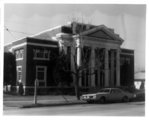
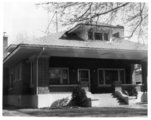
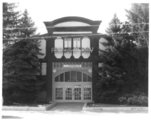
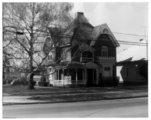
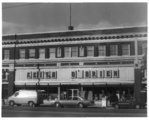
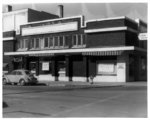
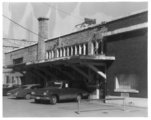
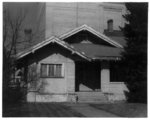
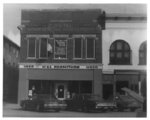
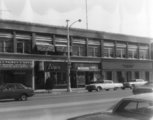
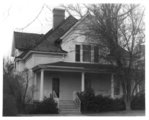
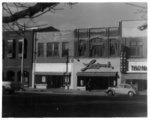
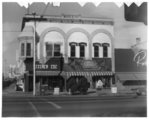
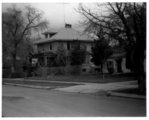
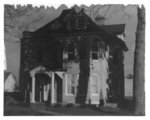
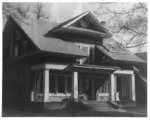
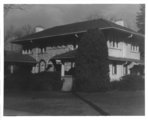
Show rorrn No lQ-300a (Hev -10-74! UNITED STATES DEPARTMENT OF 1 HE INTERIOR FOR NFS US€ ONLY NATIONAL PARK SERVICE RECEIVED nrr ; DATE ENteRED NATIONAL REGISTER OF HISTORIC PLACES INVENTORY - NOMINATION FORM CONTINUATION SHEET ITEM NUMBER 7 '*'" .,,,,,, " p PAGE very popular in the first two decades of the twentieth century. These homes add a great deal of beauty and variety to the district. They also express the growth of the community from an extremely isolated village in the tops of the Ricky Mountains to a burgeoning town that, while stillkeeping its historical character, was fast becoming part of the American scene. 2. Public and Religious Buildings. The major public building in the district (and there are only a few) is the Cache County Courthouse (#142) built in 1882-83. It is a white, brick structure in the Neo-classic style. "The main religious building is the IDS Temple (#207), which sits on the hill overlooking the town. It is constructed of local stone (quartzite) and is basically Richardsonian Romanesque in style. The other major IDS building is the tabernacle (#260) located in the heart and center of town. This structure is built of the same rock as the temple and dominated the city center. The major non-Mormon church is St. John's Episcopalian (#174). This beautiful structure is constructed of brick and is gothic in style. Adjacent to the church is the pastor's residence which matches the church in style and material. 3. Commercial District. This part of the district is approximately three blocks-long and two blocks wide. Most of these old buildings were constructed between 1870-1915 and follow the Neo-classic and Victorian (including its substyles, especially Italianate), and commercial styles. At the present, however, many of these buildings have covered their original facades with modern siding. The buildings range from small one story structures to one of four stories and are basically in good condition. Note The numbering for the district starts with #80 and ends with #631 with some gaps occuring within this spread. The reason for this is that the original district's boundaries were reduced thus eliminating several sites which had already been given a number for the State Historical Society files. Rather than change the whole numbering system the sites outside the district were just excluded and the original numbers were kept The district has a total of 462 sites of which there are 32 landmark buildings, 326 contributory buildings, and 104 non-contributory buildings. |