| OCR Text |
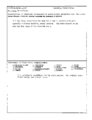
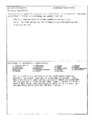
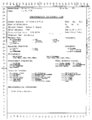
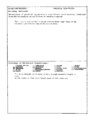
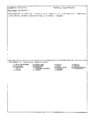
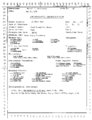
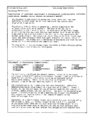
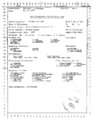
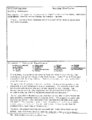
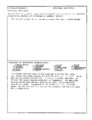
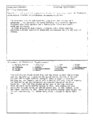
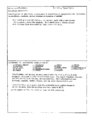
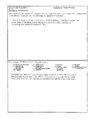
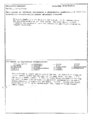
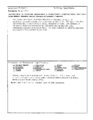
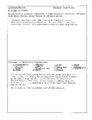
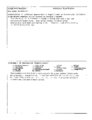
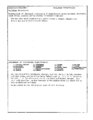
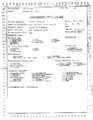
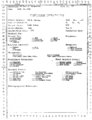
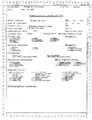
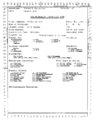
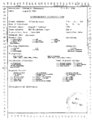
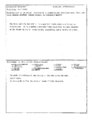
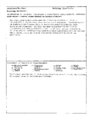
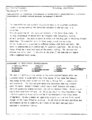
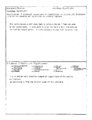
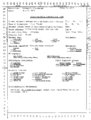
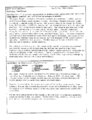
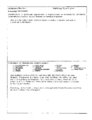
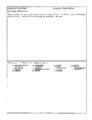
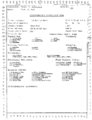
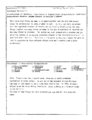
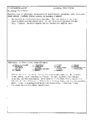
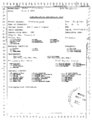
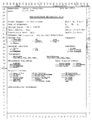
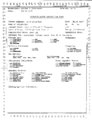
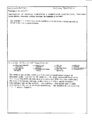
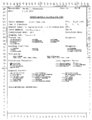
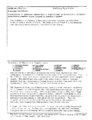
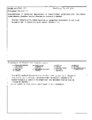
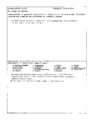
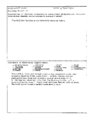
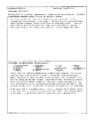
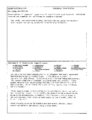
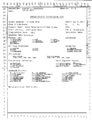
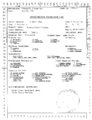
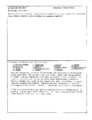
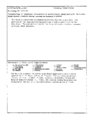
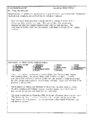
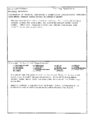
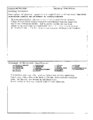
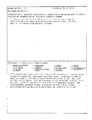
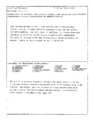
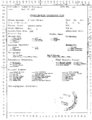
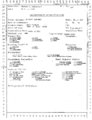
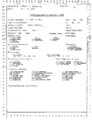
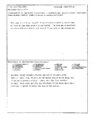
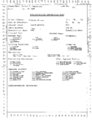
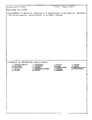
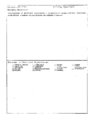
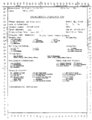
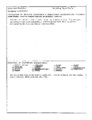
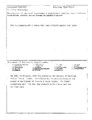
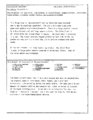
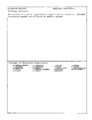
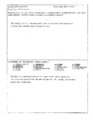
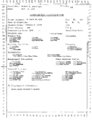
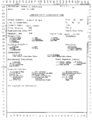
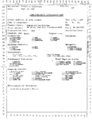
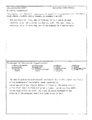
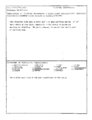
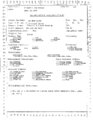
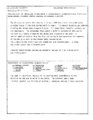
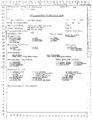
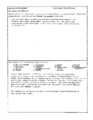
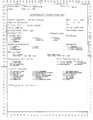
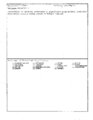
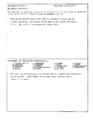
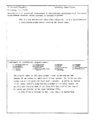
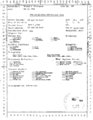
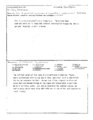
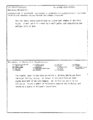
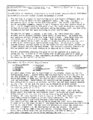
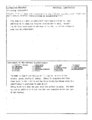
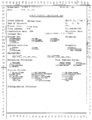
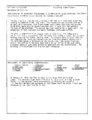
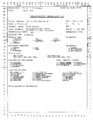
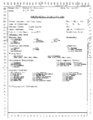
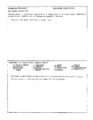
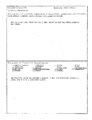
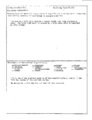
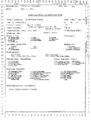
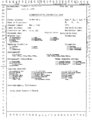
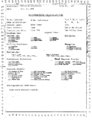
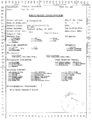
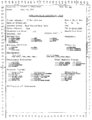
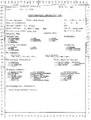
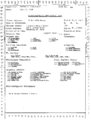
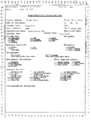
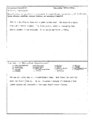
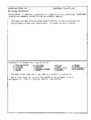
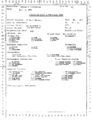
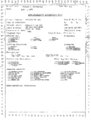
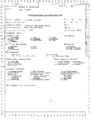
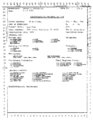
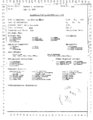
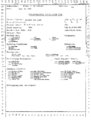
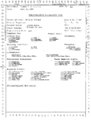
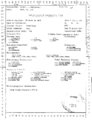
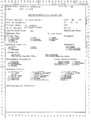
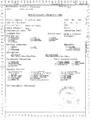
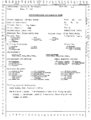
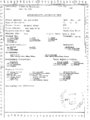
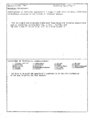
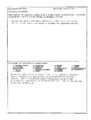
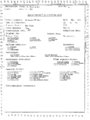
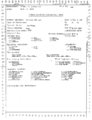
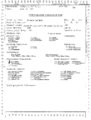
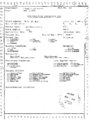
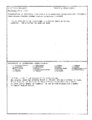
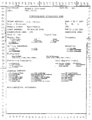
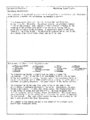
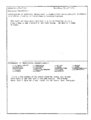
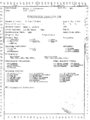
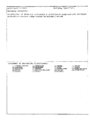
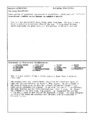
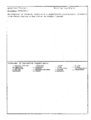
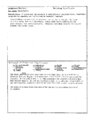
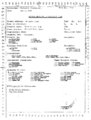
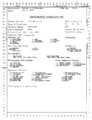
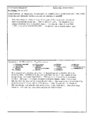
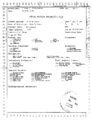
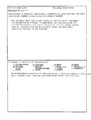
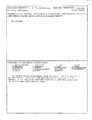
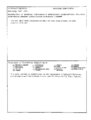
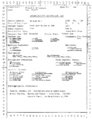
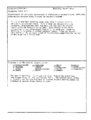
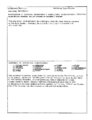
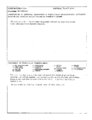
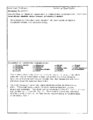
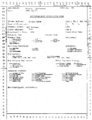
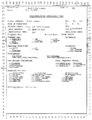
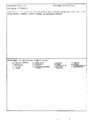
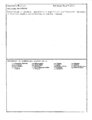
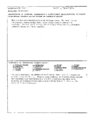
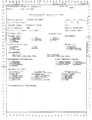
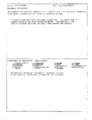
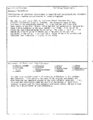
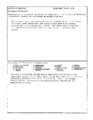
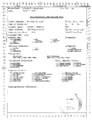
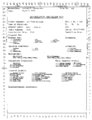
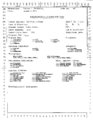
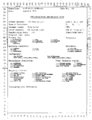
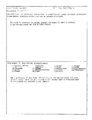
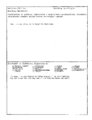
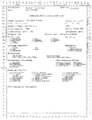
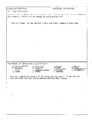
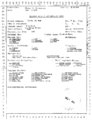
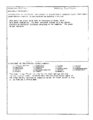
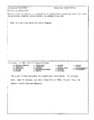
Show 1SFGNIFICANCE PERIOD AREAS OF SIGNIFICANCE -- CHECK AND JUSTIFY BELOW -PREHISTORIC -ARCHEOLOGY-PREHISTORIC -COMMUNITY PLANNING -LANDSCAPE ARCHITECTURE -1400-1499 -ARCHEOLOGY-HISTORIC -CONSERVATION -LAW -SCIENCE _1500-1599 -AGRICULTURE -ECONOMICS -LITERATURE -SCULPTURE -1600-1699 -^ARCHITECTURE -EDUCATION -MILITARY ASOCIAL/HUMANITARIAN -1700-1799 _ART -ENGINEERING -MUSIC -THEATER -S 800-1899 -XCOMMERCE ^.EXPLORATION/SETTLEMENT -PHILOSOPHY ^TRANSPORTATION -X1900- -COMMUNICATIONS -INDUSTRY .^POLITICS/GOVERNMENT -OTHER (SPECIFY) JLRELIGION -INVENTION SPECIFIC DATES 1860S-1915 BUILDER/ARCHITECT Several STATEMENT OF SIGNIFICANCE HISTORY The Historical significance of Logan and its historic district can best be described by historian Leonard J. Arrington who in an article on Cache Valley (wherein Logan is the commercial, educational, political and religious center) wrote the following: The economic development of Cache Valley is unique in American history. Virtually all of the United States was settled and developed with "outside" capital. The Atlantic Coast states had extensive commercial connections with England, Northern Europe, and the West Indies, The Southeast, likewise, built its capital fund by exporting to England. The Midwest was developed primarily by eastern capital, while West Coast development was stimulated and financed by exports of gold, lumber, and wheat. Even most of the valleys in the Mountain states were developed by eastern and midwestern capital. Wyoming's important range cattle business was largely financed by easterners and Englishmen; and the growth of Montana, Colorado, Nevada, and the Salt Lake Valley was largely induced by the immigration of mining capital from east of the Mississippi. Cache Valley, on the other hand, was settled by people who did not have capital when they came. This is one valley whose development was accomplished without the attraction of significant amounts of outside capital. Its people raised themselves, as it were, by their own bootstraps or rather, by their own bone and sinew. This is perhaps one reason why economic development was so slow. It also explains why the development was so solid and lasting. The history of Cache Valley is also significant because it was one of the few economies founded for a religious purpose, dominated by religious sentiments, and managed by religious leaders. Some American states were founded for benevolent and religious purposes, and some were influenced for many years by religious attitudes and leaders, but there are few cases in which a church undertook such whole-hearted planning and organization for economic progress as in the case of the Mormon community in the Mountain West. Cache Valley's settlers believed that God was with them. They regarded themselves as partners with God in subduing the earth and making it fruitful. They believed it was their solemn obligation and privilege to unite in building a Kingdom of God a Kingdom at once comfortable to live in and beautiful to behold. This unity in building a Godly Commonwealth gave flavor and distinction to the economic growth and development of Cache Valley, |