| OCR Text |
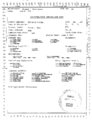
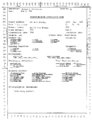
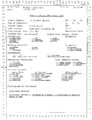
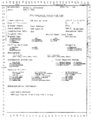
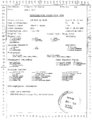
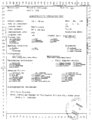
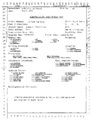
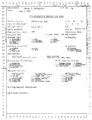
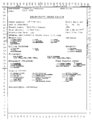
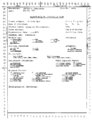
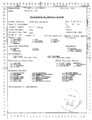
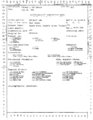
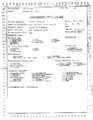
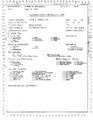
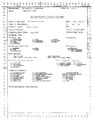
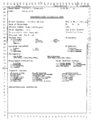
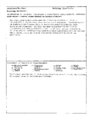
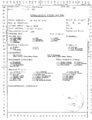
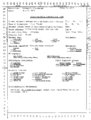
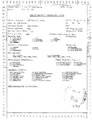
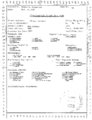
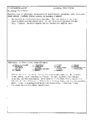
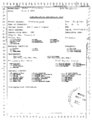
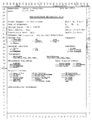
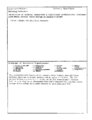
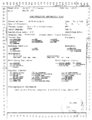
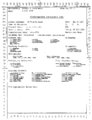
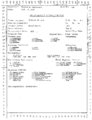
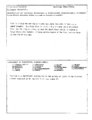
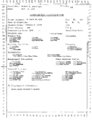
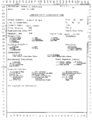
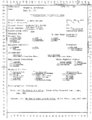
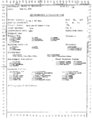
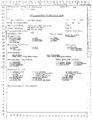
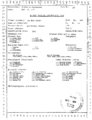
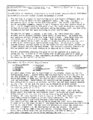
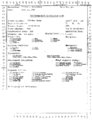
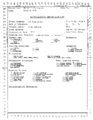
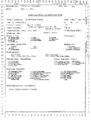
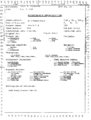
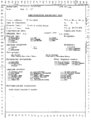
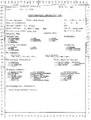
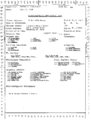
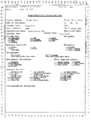
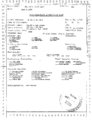
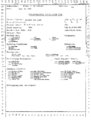
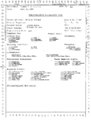
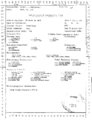
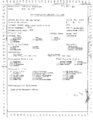
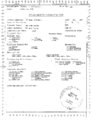
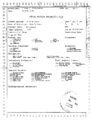
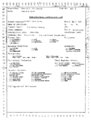
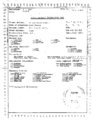
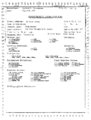
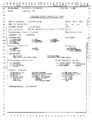
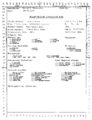
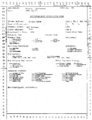
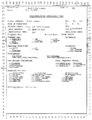
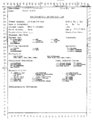
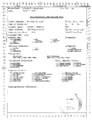
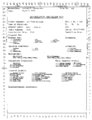
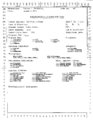
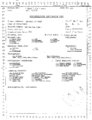
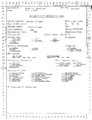
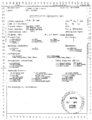
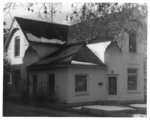
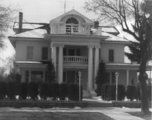
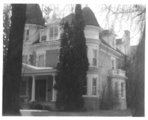
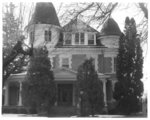
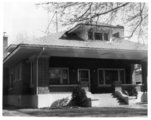
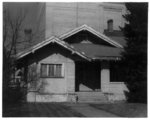
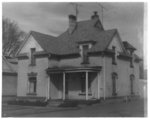
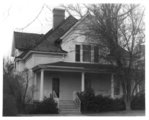
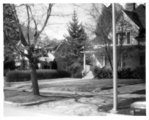
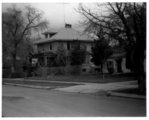
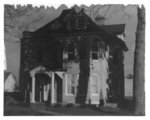
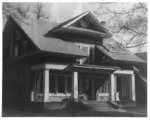
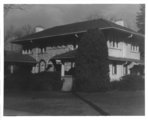
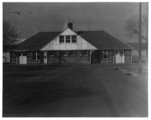
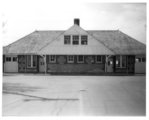
Show Architect/Builder: Pope & Burton Arch. Firm Building Materials: Building Type/Style: ,f Pra .ir1e Description of physical appearance & significant architectural features: Include additions, alterations, ancillary structures, and landscaping if applicable This building is a beautiful prairie home (with some Spanish influence) that has kept its integrity thanks to some sympathetic owners. The home, like most of the prairie style, is two stories with beige walls. The overall appearance is one of horizontal symmetry, though it has a lightness that other prairie homes do not. This is brought about by two porch wings, the roofs of which are supported by four fluted doric columns on each porch and by the windows which are vertically rectangular and lack the heavy outlining of other prairie homes. The Spanish influence is present in two forms. The front facade has a main entrance and an entrance (through French doors) on each porch. In between the main entrance and both porches are large French windows. These three doors and two windows are outlined by brick arches. Over the main entrance the arch is further emphasized by a small arched roof projection directly above the brick outlining and extending out approximately three feet. In addition to these Spanish colonial revival arches is the red tiled roof over the house, porches and a small mansard roof over the east facade. The red brick outlining continues to the two porches and the steps leading up to them and to the front entrance. The only alterations affecting the exterior are the addition of a double car garage and the installation of the sliding door in the back yard which opens up to a patio. The garage is very sympathetic, matching both the stucco walls of the house and the red tile of the roof. Statement of Historical Significance: AboeLgiaal ftsericacs Agricultara The Arts -- Cscmny.cgcign __ Ccnserraticn. -?T __ 2S<?ior3tMB/Set±iacaBn.'t -- Military' __.Mining -- Minority Groups " --Political -.-Recrsaticn ' -- HsUgicn -- Scisnca -- Sodo-Huaaaitarisn The Julia Budge Nibley home is significant for its original owners and for its architectural beauty. Charles Nibley had the house built for his wife Julia and his five children in 1914-15. Charles was a Mormon convert and an immigrant to the United States in 1860, and like most of these nineteenth century transplants,. poor and uneducated. Nevertheless, his ambition and the freedom of the American West allowed him to rise to an economic, political and religious stature obtained by only a few. At the peak his estate was estimated to be worth several million, and in the ecclesiastical realm he was the presiding bishop for the last six remaining years of his life. But there is another factor surrouding Nibley and this home. Until 1890 the Mormon church practiced the controversial social institution of plural marriage. Nibley entered into this practice, having three wives and twenty-four children. All three families lived in Logan until 1889, when Charles and hisfirst family moved to Oregon to run his lumber enterprise. The other two families remained in Logan with frequent visits from Charles. The location of this home and the one which housed the other family that stayed in Logan tells a lot about the way of life these families experienced and the attitu Charles had toward them. The two homes are located just across the street from each other, diagonally at the intersection of the two streets. The close proximity of the two homes shows that Charles 1 children, though of different wives, were to have close ties and associations; and that to Nibley, the patriarch, they were not two or three families, but one. |