| OCR Text |
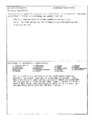
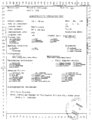
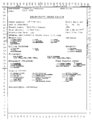
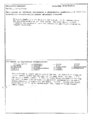
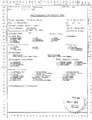
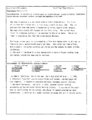
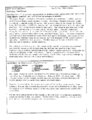
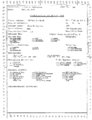
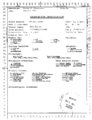
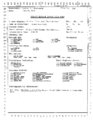
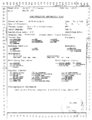
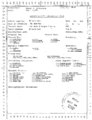
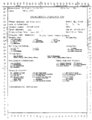
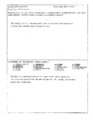
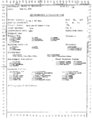
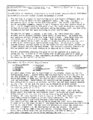
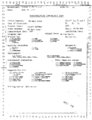
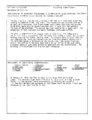
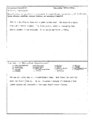
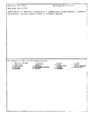
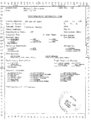
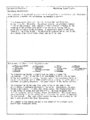
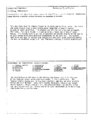
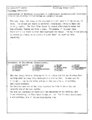
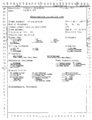
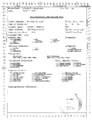
Show . TO-/*) UNITED STATES DEPARTMENT OF THE INTERIOR NATIONAL PARK SERVICE NATIONAL REGISTER OF HISTORIC PLAGES INVENTORY - NOMINATION FORM ITEM NUMBER CONTINUATION SHEET FOR NPSUSEON1Y •> • - -,, -,-. ^ ?^ f fi DATE E^^6^ ft '* '^ * ° g PAGE 9 Mormon pioneers relied on cooperation to solve the problem. Together, the settlers first built roads to the canyons and then cooperatively cut down the necessary timber and hauled it to the sawmills that were being established to cut the timber into usable lumber for construction. The difficulty of this task delayed the use of wood frame houses for some time, dp the first homes were either adobe homes or dugouts. Even with this cooperative methoq, Homes and building development evolved slowly from the early dugout to the dirt-roofed log cabin, to the shingle-roofed log cabin, to the adobe and rock structures so popular in the 1870's and 1380's, to the "gingerbread" frame houses of this century dependent almost entirely on material imported into the valley from the outside.^ The Coming of the Railroad , The material from the "outside" had to await the coming of the "iron horse" which is another example of the cooperation in'this Mormon community. Since the comirjig .of the railroad to Utah, Mormon Church leaders immediately began sponsoring construction of interior branch lines to facilitate and expedite transportation through the principle settlements of the territory. The fourth of such projects was the . iconstruction of the Utah Northern which ran from Ogden, Utah to Logan. The Utah Northern was organized on August 23, 1871 with Logan Bishop William B. Preston vice-president and assistant superintendent. The directors of the company consisted almost entirely of Mormon bishops along the route the train was to go. The method of construction was as follows: The plan of construction called for the appointment of superintendents in each of the major areas of construction. Labor was to be recruited directly by these men or through local bishops. Each priesthood-bearer was expected to do his share of the work. The men were to be paid principally in stock in the railroad, but in cases of necessity a certain amount would be given workers in "ready pay."12 The company broke ground at a religiously directed dedication ceremony on August 1871 and by January 1873, the track had been completed to Logan. Virtually all the wards in Logan participated in the construction work receiving only railroad stock for pay. The citizens of Logan were so excited with the completion of their railroad that when a severe snowstorm stopped the train that winter, several hundred people turned out to break the blockade. URicks, The History of a Valley, p. 146. 12Arrington, Leonard J., Great Basin Kingdom University of Nebraska, Lincoln 1966 (Copyright, 1958) p.. 284. |