| OCR Text |
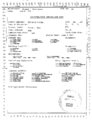
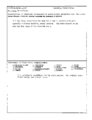
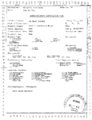
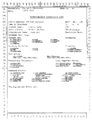
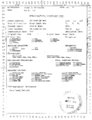
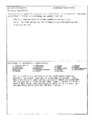
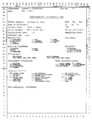
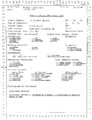
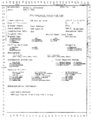
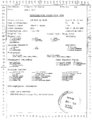
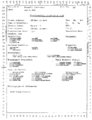
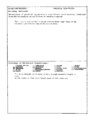
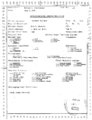
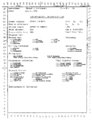
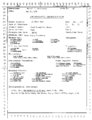
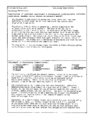
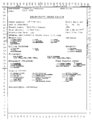
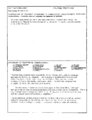
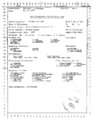
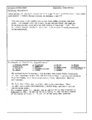
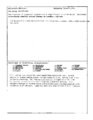
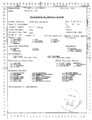
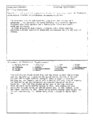
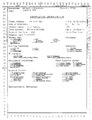
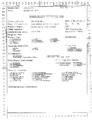
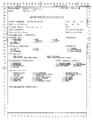
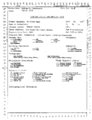
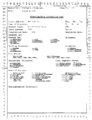
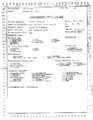
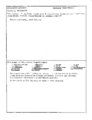
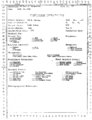
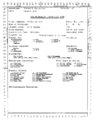
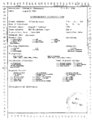
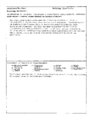
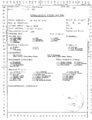
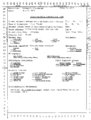
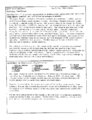
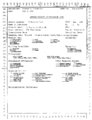
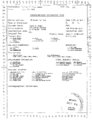
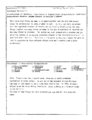
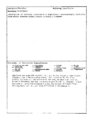
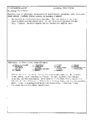
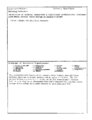
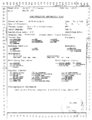
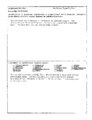
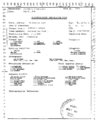
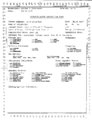
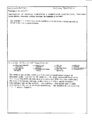
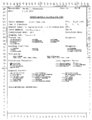
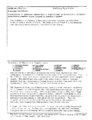
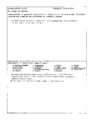
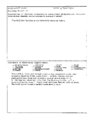
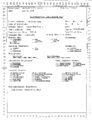
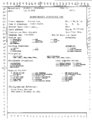
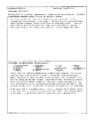
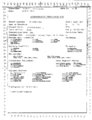
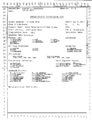
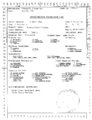
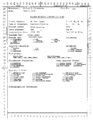
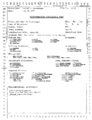
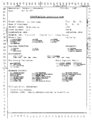
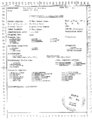
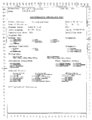
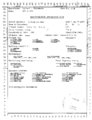
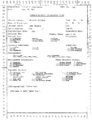
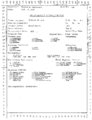
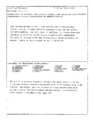
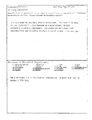
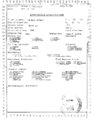
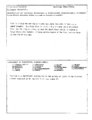
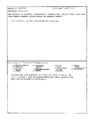
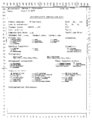
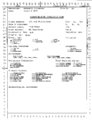
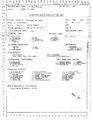
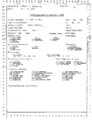
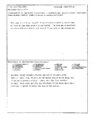
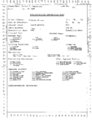
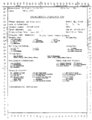
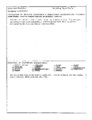
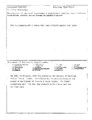
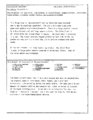
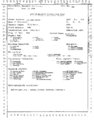
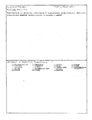
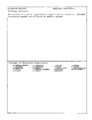
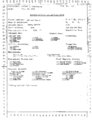
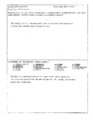
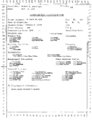
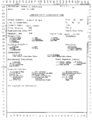
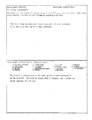
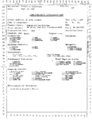
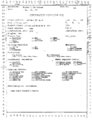
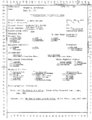
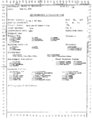
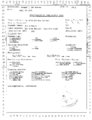
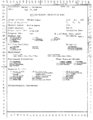
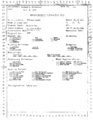
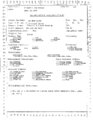
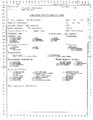
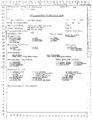
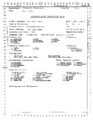
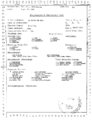
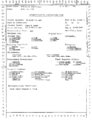
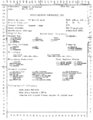
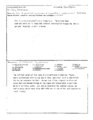
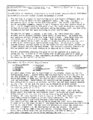
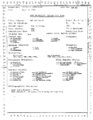
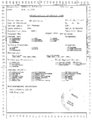
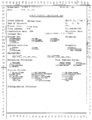
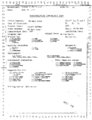
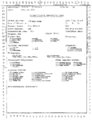
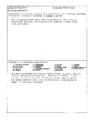
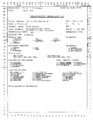
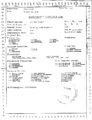
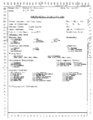
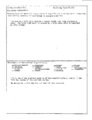
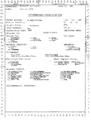
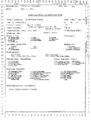
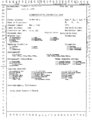
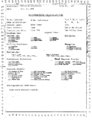
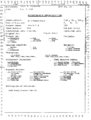
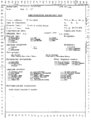
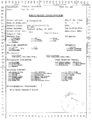
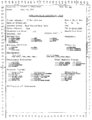
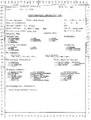
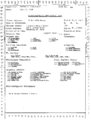
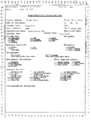
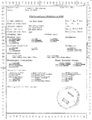
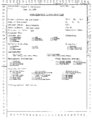
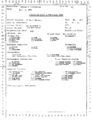
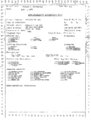
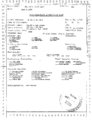
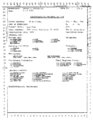
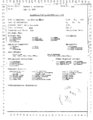
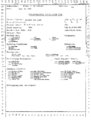
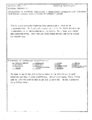
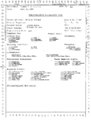
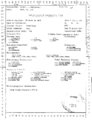
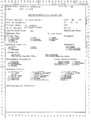
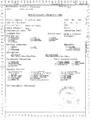
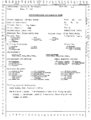
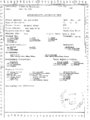
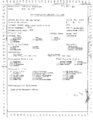
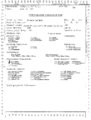
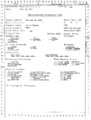
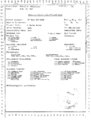
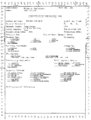
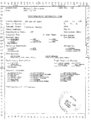
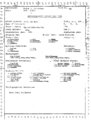
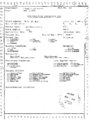
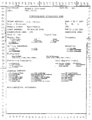
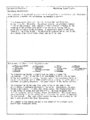
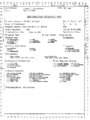
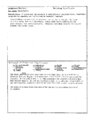
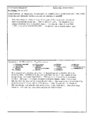
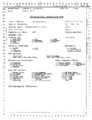
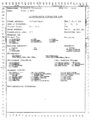
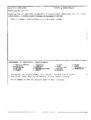
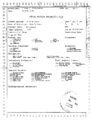
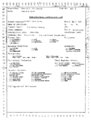
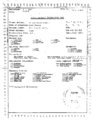
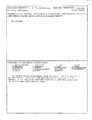
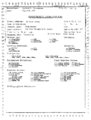
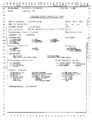
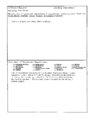
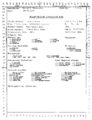
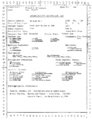
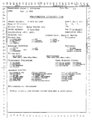
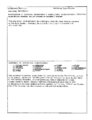
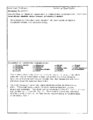
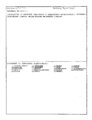
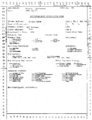
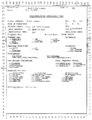
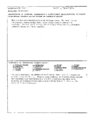
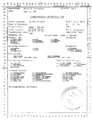
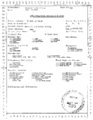
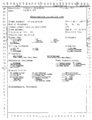
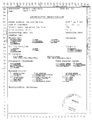
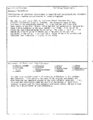
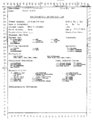
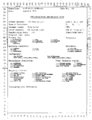
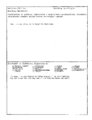
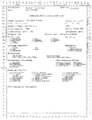
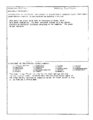
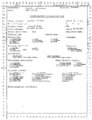
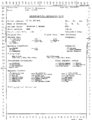
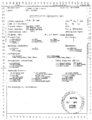
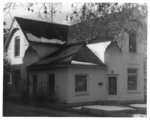
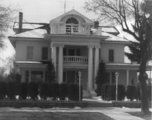
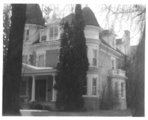
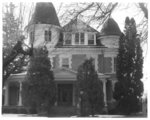
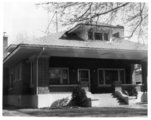
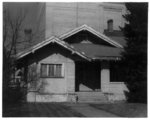
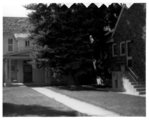
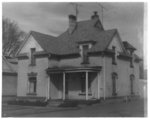
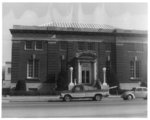
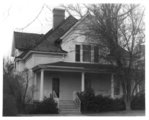
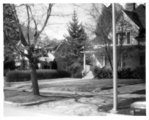
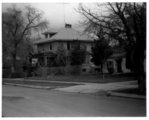
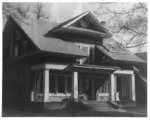
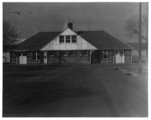
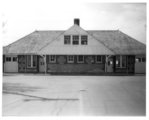
Show ' Architect/Builder: Buildins:w? Materials: Building,Type/Style: Description of physical appearance & significant architectural features: Induce additions, alterations, ancillary structures,, and landscaping if applicable This home is a house-pattern book design, often called the box style for its squareness extending to the roof of pyramidical shape. Extending from the roof, however, are dormers giving the home two and one-half stories of living space. Classic embellishments detail the facades of the home giving it an almost temple-like appearance. This all brick home is raised from the sidewalk about two feet, giving the home a sense of omnipotence and strength projected by the size and classic elaboration. Statement of Historical Significance: Aboriginal Anmrieana Agriculture Arcu.toectara -- the Arts X frf ffnutrrsa --„ Conmmicaticn -- Cassarvatacn - - ?vjt«tgr<-j_<rin __ Sxploratlfln/SettleraBnli .__ industry -- Military ' • --. Mining __- Minority Groups ' --.Political. -- Saligion, -- Scisnca _-.Socia-Hiaaanitarian --. Transportation The home was originally built by John A. Hendrickson, a prominent industrialist . of northern Utah. Like most of the settlers of the Utah Territory, John A. Hendrick on was a Mormon convert from Europe. John was born in Norway in 1860 but soon after that immigrated to Utah and settled in Logan where he began the Cache Knitting Works in 1889, "an institution which grew until it revolutionized the manufacture of underwear and hosiery throughout the state," says historian Andrew Jensen. It was the first factory to manufacture "union suits" in the state, and its success allowed Hendrickson to expand, and in 1906 he established the Ogden Knitting .Works. Its significance lies not only in its originality but also in its, architecture. |