| OCR Text |
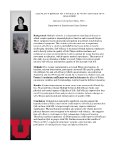
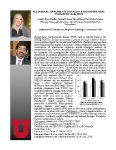
Show Lifestyle Issue related to cardiovascular disease among refugee in Utah Kai Sin (Akiko Kamimura) Department of Sociology Lifestyle issues related to cardiovascular disease among refugees in Utah is look in to promoting the disparities among refugee community. Under the Refugee Health Promotion Program, which has been implemented since 2015, refugees who newly arrives at the US are provided access to healthcare services. However, these services are available to refugees only for short-terms. Comprehensive health promotion and education programs and long-term follow-ups which cover chronic health conditions such as cardiovascular disease (CVD) and diabetes are necessary to improve health of refugees. Yet, research on chronic health problems and lifestyle issues among refugees is limited, and therefore, there is no enough information to develop effective long-term health promotion programs for refugees in the US. The purpose of this study is to examine lifestyle issues related to cardiovascular disease and diabetes among refugees resettled in Utah. People in the refugee communities aged 18 and older in Salt Lake City have been filled a selfadministered survey about CVD, diabetes, and healthy lifestyle in the fall of 2016. The majority of the participants resided in a refugee camp in Thailand before they resettled in Utah. One third of the participants reported they did not have any health insurance. More than 20% of the participants reported they had CVD and/or diabetes. But less than 20% of the participants indicated they were physically active. The most common physical activity among the participants was walking. The main barriers to physical activity were cost and lack of time. On average, the participants indicated they ate more than five servings of fruits and vegetables on four days of the past seven days. While the participants did not eat processed meat and snacks very often, high salt intake looked a major diet issue. The results indicate the importance to develop health education programs that fit the lifestyle of refugees to prevent CVD and diabetes and promote their health. Our research is looking at the health issue and cardiovascular disease among Karen refugee here in Utah. And we found out that a lot of Karen refugee have a higher chance of getting a cardiovascular disease, not only that they have a higher rate of salt intake among the Karen community. And even thought in Karen community, we found that 70% of them have a medical insurance, but only 13.3% of them know or use the free clinic here that have been offered for them in Salt Lake. The reason, why so many of the Karen community know or use less a free health clinic here in Salt Lake is because of the barrier and disparities among the community. |