| OCR Text |
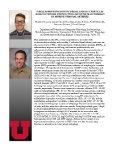
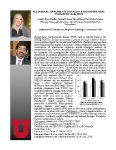
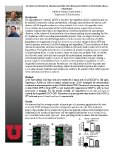
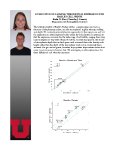
Show REDUCING THE AMOUNT OF NEURAL DAMAGE SUSTAINED AFTER A SEVERE HYPOGLYCEMIC INSULT Trevin Michael, Simon Fisher MD, PhD Division of Endocrinology, University of Utah School of Medicine For individuals who are affected by Type 1 Diabetes, maintaining tight glycemic control is a major obstacle. Oftentimes, these individuals must use insulin in order to regulate their blood glucose levels. An inherent drawback associated with the use of insulin is that it can sometimes cause an individual’s blood glucose to reach dangerously low levels. When this occurs the affected individuals are at an elevated risk of experiencing seizures, coma, and in extreme cases even death. Despite this potentially fatal outcome, synthetic insulin remains one of, if not the most effective means of treating individuals affected by Type 1 Diabetes. For this reason, the research being conducted through this project is directed towards ameliorating the negative outcomes that occur when an individual’s blood glucose levels become dangerously low for a sustained period of time. The goal of this project was to test whether drugs could prevent brain damage induced by severe hypoglycemia using a rodent model. The negative control group consisted of rats that did not undergo a hypoglycemic insult while the positive control group was subjected to 90 minutes of insulin induced severe hypoglycemia (10-15 mg/dl). Finally, the experimental group was subjected to the same 90 minutes of severe hypoglycemia (10-15 mg/dl) but was also treated with a (potential) neuroprotective drug. One week later, the brains of these animals were harvested and the amount of neuronal damage was measured in order to determine the efficacy of the drug in preventing neural damage after a severe hypoglycemic insult. The goal of these pre-clinical studies is to identify neural protective drugs that will limit hypoglycemia induced brain damage and thus be beneficial for people with insulin treated diabetes. |