| OCR Text |
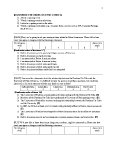
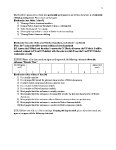
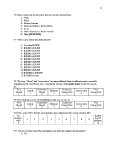
Show OCULAR INJURIES AND PROTECTIVE EYEWEAR IN ATHLETICS Taylor Webster (Mary Elizabeth Hartnett, M.D.) Department of Ophthalmology and Visual Sciences General Background In order to prevent blindness, a solution must be found to the reduce ocular injuries for athletes. Protective eyewear has been shown to be an effective tool for clinicians and health promoters striving to provide a safer environment, but most sports do not require the use of protective eyewear. Proper usage of protective eyewear in sports could reduce ocular injuries by 90% (Avinosh& Ashok, 2012). Each year there are approximately 60,000 sports related ocular injuries in the United States (Goldstein, 2011). Although much has been written concerning the frequency of eye injuries in sports, little research has determined why athletes choose not to use protective eyewear during competition. To understand why protective eyewear is not used more frequently in athletics, a more comprehensive analysis of the perceptions of athletes, coaches, and parents must be incorporated into research. Less than 20% of children ages 6-17 and approximately 40% of adults use protective eyewear in recreational and hazardous activities around the home (National Eye Institute, 2014). No data have determined the frequency of adherence to protective eyewear in sports. Upon understanding athletes’ perceptions about protective eyewear, a plan to educate the public will be able to focus on the major barriers of using protective eyewear. Determining different barriers from different sports will be instrumental in preventing blindness across all sports. Anecdotally, parents have indicated that coaches do not wish students to wear goggles because they interfere with the students' abilities to win games. There may be concerns about fogging of optics of some protective eyewear. However, there are no data on the barriers or even the number of athletes in an individual sport that wear protective eyewear. The specific aims of this study are to prevent blindness by first (1) determining barriers and incentives for wearing protective eyewear by athletes through a short survey and (2) obtaining perceptions on protective eyewear from athletes, parents and coaches through one-on-one phenomenological approach in interviews. In order to obtain the most relevant data possible, this study will use mixed methods. Athletes from several sports across several universities will be invited to participate in the survey. Project Thus far data collection has been the biggest road block in our project. Initially we received 23 responses from University of Utah athletes by having the link sent to their canvas accounts. This was done through the athletic department. We then distributed the online version of the survey to several universities in Utah through the individual athletic departments but did not receive responses. We have decided to use paper versions of the survey and administer them at training and rehab facilities on the University of Utah campus. Taking a more personal approach to data collection should help us receive the responses we need. The interviews with athletes, parents and/or coaches of athletes |