| OCR Text |
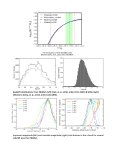
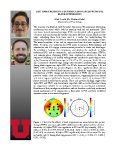
Show BIOPHYSICAL CHARACTERIZATION OF DNA INTERACTIONS BY THE METHYL-CpG BINDING PROTEIN ZBTB33 (KAISO) Ben Berger (Dr. Bethany Buck-Koehntop) Department of Chemistry In recent years, the burgeoning field of epigenetics has earned a place in the spotlight of biochemical and clinical research. Epigenetic modifications are surface biochemical alterations to DNA and histones that produce changes in gene expression without alterations in corresponding DNA sequences. Among epigenetic DNA modifications, the methylation of cytosine bases in the context of CpG dinucleotides is prevalent throughout the genome. DNA methylation has many important cellular functions, one of which is to serve as a marker for recognition by specific transcription factors. Methylated DNA recognition by these specialized transcription factors, termed methyl-CpG binding proteins (MBPs), serves to mediate chromatin remodeling, which subsequently alters gene expression. ZBTB33 is one such protein, which utilizes the same set of Cys2His2 zinc fingers to selectively bind both methylated and sequence-specific non-methylated DNA sites and recruits chromatin remodeling complexes to its protein-protein interaction domain that alters associated transcription. These epigenetic layers of gene expression play a central role in cell development and differentiation as well as genome maintenance and stability. Due to their crucial role in organismal growth and homeostasis, aberrations in DNA methylation patterns have been associated with a host of pathologies, including cancer. As effectors of methylated DNA signaling, MBPs like ZBTB33 have also been implicated in disease state functions. In order to better understand the mechanisms by which ZBTB33’s selectively binds its DNA targets, we employed a mutagenesis study and evaluated the effects of these mutants on DNA recognition and binding through nuclear magnetic resonance (NMR) spectroscopy and electrophoretic mobility shift assays (EMSA). These findings expand our mechanistic understanding for how this unusual bimodal DNA binding MBP selects between DNA targets. |