| OCR Text |
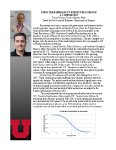
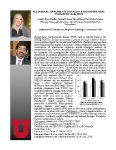
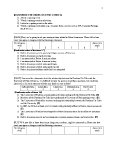
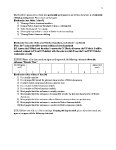
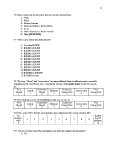
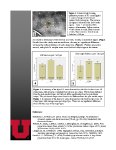
Show PARENT PERCEPTIONS OF CYTOMEGALOVIRUS Elizabeth Aviles (Marissa Diener, Ph.D) Department of Family & Consumer Studies Background Cytomegalovirus (CMV) is the most common and preventable congenital virus in the United States. It infects people of all ages and is spread by direct contact of bodily fluids such as saliva and blood. Although most people infected with the virus are asymptomatic and suffer no harmful effects, CMV can cause serious health problems for infants who contract the virus in utero. One in five infants who contract the virus in utero most commonly suffer from hearing loss, developmental disabilities, or cognitive impairments. Due to the serious problems caused by the onset of CMV, Utah took steps to identify children at risk for congenital CMV by passing UCA 26-10-10 in 2013. UCA 26-10-10 is a law that charges the Utah Department of Health to assist a CMV focused program that targets and educates women of childbearing ages. The law also mandates congenital CMV (cCMV) testing for newborns who fail newborn hearing screenings before they are 21 days old. Recent findings have shown that 1/3 of mothers don't have their newborns screened when they should so a study to find out why has been conducted by examining parent perceptions of and knowledge of CMV. Methods Data was collected through survey distribution to parents at the Primary Children’s Hospital (PCH) Ear, Nose & Throat clinic waiting room. Surveys contained a series of demographic and CMV based questions to help us asses parents’ perceptions of CMV. 143 completed surveys were obtained and further analyzed using computer software. Results Data analysis show that our sample population consisted mostly of participants who were white/caucasian, obtained a college degree or more, and were health insured. The majority of participants were unaware of CMV but 74% indicated interest in wanting to know if their child had CMV even if he/she never developed any problems. When asked about their willingness to pay for their newborn to be screened, 45% indicated willingness to pay $50. Although data compared from 24 months before and after Utah legislation was enacted shows that timely CMV screening rates have increased substantially, efforts to continue educating health professionals and the public on CMV are still necessary. |