| OCR Text |
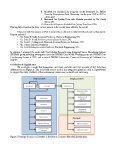
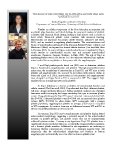
Show THE GENETIC BASIS OF SPECIATION IN DROSOPHILA PSEUDOOBSCURA Lane Mulvey (Dr. Nitin Phadnis) Department of Biology Since Darwin’s time and even long before, scientists have attempted to explain the origins of the bewildering diversity of life on earth. Darwin discovered that this biodiversity is a result of millions of years of evolution, where new species split off from existing species. A hallmark of speciation is the evolution of barriers to gene flow between previously interbreeding populations. Reproductive barriers between species, such as hybrid sterility or lethality, arise due to incompatibilities between genes from the two parent species. Even in today’s post-genomic era, we understand little about the genetic basis of phenomena such as hybrid sterility, and even less about the molecular processes disrupted in hybrids. The aim of my project is to identify the genetic basis of speciation using two subspecies of Drosophila pseudoobscura. Drosophila pseudoobscura subspecies USA and Bogota are geographically isolated (>2000 km apart) under normal conditions and have started to exhibit characteristics of speciation through hybrid sterility between specific parental mating combinations. In order to identify which genes are involved in hybrid sterility and segregation distortion, we have designed a powerful strategy that involves mutagenesis followed by whole genome sequencing. I have set up a mutagenesis screen that involves a series of steps intended to rescue fertility and prevent segregation distortion, both of which are indicative of the onset of speciation. By collecting and examining Drosophila pseudoobscura individuals that break the typical patterns of sterility and segregation distortion, out work promises to unearth the genetic factors that drive speciation and provide insights into the molecular processes that diverge rapidly and become dysfunctional in inter-species hybrids. |