| OCR Text |
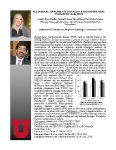
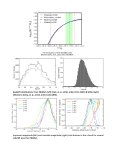
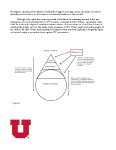
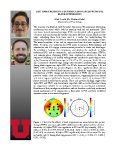
Show THE ROLE OF BCL2 FAMILY MEMBERS IN SYNOVIAL SARCOMAGENESIS Asia Marie Susko, Jared Barrott, (Kevin B. Jones) Department of Orthopedics, Center for Children’s Cancer Research at the Huntsman Cancer Institute, Department of Biology Synovial Sarcoma, a soft tissue sarcoma, has limited effective chemotherapy treatments with approximately half of synovial sarcoma patients developing metastasis by year 5. The presence of the t(X;18) translocation forms the fusion oncogene SS18-SSX, a characteristic trait of synovial sarcomas. Along with the detection of the fusion gene SS18-SSX, BCL2 has been seen to be upregulated in synovial sarcoma. BCL2 family members regulate apoptosis via feedforward mechanisms, and it then becomes a balancing act between BCL2 family member genes and pro-apoptotic genes. The initial thought was that targeting BCL2 specifically would shift the balance in favor of the pro-apoptotic genes which would then lead to cell death and tumor reduction. While disrupting BCL2 genetically and pharmacologically did not produce the desired results, targeting BCL-XL with the small molecule inhibitor BXI-72 showed a significant decrease in tumor size and an increase in apoptosis. Thus, we believe that BCL-XL is a better target for the treatment of synovial sarcomagenesis by shifting the balance to favor apoptosis. |