| OCR Text |
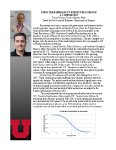
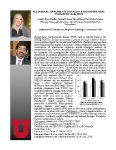
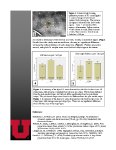
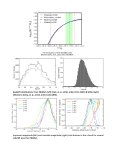
Show VEGETATION RECONSTRUCTION OF THE BRITISH VIRGIN ISLANDS Cassandra Nicole Oliveira (Mitchell Power, Joshua Mueller) Department of Geography The British Virgin Islands have historically experienced fluctuating intensities and multiple types of disturbance that have altered the landscape dramatically, such as hurricanes and human impacts. The storm surges and high winds can level vegetation and allow colonization of new plant species while depositing pollen and other plant material into water bodies. Humans have a history of cultivation and burning on these islands leading to clearing of land for crops and introducing foreign species. Both pollen and charcoal can be collected to tell a story of activity in this region. Coastal salt pond sediments represent an archive of island ecological change throughout history. Through pollen analysis from sediment cores the past vegetative makeup and change can be investigated. Three types of vegetative damage from tropical cyclones are defoliation (most common), snapping, and uprooting (Walker, 1991). While tropical cyclones are severe, mortality amongst trees are low and once refoliated, spread seed and often show increased diameter (Walker, 1991). Data was acquired from sediment cores collected from Gecko and Skeleton salt ponds on Tortola, British Virgin Islands, which are dominated by dense mangrove forests. Loss on ignition (LOI), which calculated the inorganic and organic contents of sediments allows for insight into possible past disturbances and impacts. Pollen analysis of the study area yields high percentages of Pocaea, Uritaceae and Cactaceae pollen, suggesting this area was subject to regular disturbance events limiting the colonization of Mangrove species. Species characterizing a Mangrove forests, Rhizophora, Avicennia, Conocarpus and Laguncularia (Urrego et al., 2010) were not found in the study area. The decrease in Cactaceae is expected given the family is not disturbance tolerant. The first spike in the graph (85-70) in CaCO3 could be caused by colonization and resulting deforestation of the island from European settlement, but could also be due to storm damage from tropical cyclones. The second spike (10-5) is most likely caused by anthropogenic activities. The figure shows calcium carbonate (CaCO3) increases, and percent organics decreases, where spikes in CaCO3 are hypothesized to be storm surge events, which cause the destruction of corals, and releases the compound into the surrounding sediments. The decreases in percent organics that follow the spikes in CaCO3 are due to de-foliation of trees, so after the disturbance event there are no loose organic materials left to be deposited. The time line of the sediment cores are not estimated yet as radiocarbon |