| OCR Text |
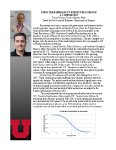
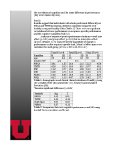
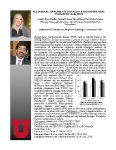
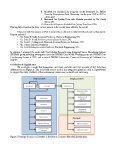
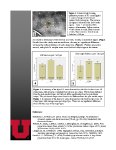
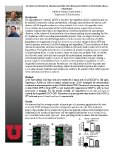
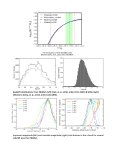
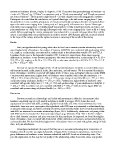
Show Sequence-‐Speci5ic (difference between random and repeated sequences) RMSE cm2 0.12 0.1 0.08 0.06 0.04 0.02 Day 1 0 Day 7 -‐0.02 -‐0.04 -‐0.06 -‐0.08 ST HE HY Figure 1. Comparison of SSP of healthy young (HY), healthy elder (HE) and stroke (ST) of day 1 and day 7. Evidence of improvement on sequence specific performance occurs when a positive value is observed, indicating a consistent improvement on the repeating sequences compared to the random. Conclusion In conclusion, individuals with stroke were impaired on some cognitive measures, MOCA and TMTB compared to healthy young and healthy elder. Persons with stroke also demonstrated significant differences in ability to perform on this sequence specific task. However, not as hypothesized, there were no significant correlations between cognition and sequence specific performance. These results suggest that impaired ability to perform sequence specific sequences may not be due to cognitive impairments. Future research is warranted to understand what factors may be contributing to impaired implicit motor sequence performance in persons with stroke. Understanding what may be impacting implicit performance limitations will aid rehabilitation specialists in designing better rehabilitation programs. Reference Mozaffarian, D., Benjamin, E. J., Go, A. S., Arnett, D. K., Blaha, M. J., Cushman, M., . . . Turner, M. B. (2017). Heart Disease and Stroke Statistics—2016 Update A Report From the American Heart Association. American Heart Association, Inc., 135(3), 176. doi:10.1161/CIR.0000000000000350 |