| OCR Text |
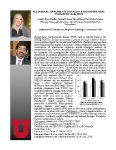
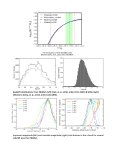
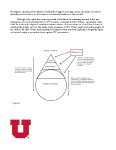
Show MOLECULE MECHANISMS OF MUSCLE FATIGUE Henry Doan, (Dr. Light, Ron Hughen, and Jesse Zhang) Department of Anesthesiology Fatigue is a feeling of tiredness that protects the body from loss of energy stores. If the sense of fatigue is too strong, it can be very aversive, leading to suffering, and inability to go through normal life motion, a condition known as chronic fatigue syndrome. Also too little fatigue will damage our bodies and muscles. Fatigue is a homeostatic system similar to the pain system, but also different since pain and fatigue do not have the same sensor mechanisms. Dr. Alan light and his associates are researching the causes of fatigue and how it differentiates itself from other phenomena that occur in the body. Physiology traditionalist have long suspected that lactate is the sole culprit in fatigue due to presence of a combinations of molecular receptors in the muscle sensory neurons, and normal changes in one metabolite have only small stimulatory effects. But Dr. Light hypothesized that combinations of receptors usually detecting normal levels of protons lactase and ATP in skeletal muscle are responsible for a dis-regulation response. To test the theory that a synergistic action of molecular receptors is the cause of fatigue, a mouse and human model was used. The lab tested metabolite levels in a skeletal muscle using the varied concentrations of pH, Lactate and ATP. The results of the experiment showed that increases concentrations in proton (lower pH), lactate and ATP normally produced by contracting muscles, sensory neurons respond and produce a signal that induces delayed onset muscle soreness (DOMS), similar to the muscle pain experienced by people suffering from CFS. Also by Using a mouse model, they demonstrated that muscle groups III/IV sensory neurons actually synergistically respond to the metabolites (ATP, lactate and proton) through the activation of a group of molecular receptors including ASICs, P2Xs and TRPV1 [1]. Together with a follow-up human study [2], they further demonstrated that there exist two populations of primary sensory afferents in the muscle. The first population was thought to detect lower levels of muscle metabolites that contribute to muscle fatigue but did not cause pain. The second was thought to detect painful levels of muscle metabolites, such as those produced by injury or ischemia. The importance of combinations of muscle metabolites in signaling muscle fatigue and pain will have a significant impact on investigation of autonomic and ventilator control during exercise as well as on nociceptive signaling from deep tissues such as skeletal muscle. 1. Light, A. R., Hughen, R. W., Zhang, J., Rainier, J., Liu, Z., & Lee, J. (2008). Dorsal Root Ganglion Neurons Innervating Skeletal Muscle Respond to Physiological Combinations of Protons, ATP, and Lactate Mediated by ASIC, P2X, and TRPV1. Journal of Neurophysiology,100(3), 1184-1201. doi:10.1152/jn.01344.2007 2. Light, Alan. “Molecular Mechanisms and Perceptual Correlates of Muscle Ache and Fatigue.” In class Keynote speaker, 22 September 2016, |