| OCR Text |
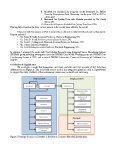
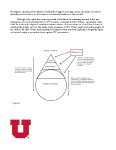
Show Culture & Stress Cultural psychology divides culture into two general types: individualistic and collectivistic culture. In individualistic culture, people focus on independence whereas people in collectivistic culture have interdependent tendencies, and according to a study by a Dutch psychologist, Geert Hofstede (1983), of IBM workers regarding personal values, interests, and concerns, people from Englishspeaking countries and Western European countries were found to have more individualistic tendencies compared to people from Asian countries who were shown to have more collectivistic tendencies (as cited in Heine, 2016). Additionally, people’s senses of control over their lives differ depending on the type of culture (individualism vs. collectivism). Psychologists named Rothbaum, Weisz, and Snyder (1982) defined two kinds of control over personal lives in which people perceived in relation to the environment. First kind was primary control, which is the belief that an individual can influence the environmental factors to achieve his goals – very similar to the internal locus of control. Second kind was secondary control, which is the belief that the environment is fix and that the individual changes his goals and expectations to align with the environment – similar to the external locus of control. In perspective of the two cultures, most Asian people believed in secondary control, that an individual cannot influence a big change on the environment while most Western people believed in primary control, that they can manage the environment to meet their goals, which shows a fundamental difference in their perception of control (as cited in Heine, 2016). Sense of control has been reported by several researchers including Thoits (1994, 2006) to affect proficiency of coping in dealing with psychological distress in which people with higher sense of control were found to be more likely to exercise coping methods (as cited in Xi & Hwang, 2011). In perceiving stress, environmental factors influence how vulnerable or resistant a person can be to stress as seen in the difference between Hispanics, Blacks, and Whites in the study by Blaxter (1990) (as cited in Krueger et al., 2011), and naturally, an important determinant that leads to variance in such factors like sense of control is culture. Objectives Several Korean researches focus specifically on the topic called job-seeking stress, or employment stress. However in American and other English-speaking scholarly journals, there were no studies regarding stress during the process of employment, or searching for jobs while there were studies regarding stress at jobs, which suggests that the culture might influence the construct of stress, much like the variance in relationship between SES, health risk behaviors, and stress in different populations. Hence the purpose of this study is to examine the correlation between international experiences, which is to consider the cultural difference/influence, and employment stress with household income as a moderator. Then the study will also examine the relationship between employment stress and unhealthy behaviors & sociability. Figure 1. Conceptual Framework International Experience Household Income Health-risk Behaviors & Sociability Employment Stress |