| OCR Text |
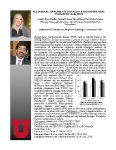
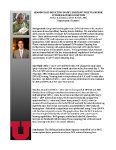
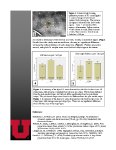
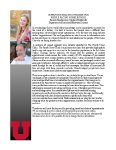
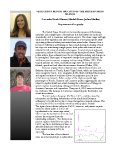
Show Results / Discussion Kestrels have been confirmed breeding at two locations on campus: one pair in • a nest box, the other in a woodpecker hole excavated into a building on President’s Circle. Evidence includes courtship food-gifting, copulation, and fledging of young. While this is a great sign, neither nest location is accessible to • researchers, making assessing the health of young and placing bands which allow future identification difficult. Nest boxes have been placed near these sites. The presence of hunting kestrels has been confirmed on campus, both visually • and photographically. Confirmed prey has consisted mostly of small mammals. During 2016, the presence of great-horned owls nesting at Ute Stadium called • for the expansion of the project to include monitoring all nesting raptors on campus, which at this time also includes Cooper’s hawk. While the Greater Campus Ecosystem appears intact enough to support nesting • kestrels and other raptors, continued monitoring will allow us to track changes in their populations over time and better understand their habits. Conclusions As construction projects continue to increase throughout campus, nesting • populations of kestrels and other raptors may be affected. Western screech-owl often occupy nest boxes of the same dimensions of those • placed for kestrels, offering the possibility to study an indicator species which occupies a nocturnal niche. Surveys of rodent populations on campus could help us better understand • whether populations are more limited by availability of nesting sites or potential prey. Expansion of the project along the Bonneville Shoreline Trail and into Red • Butte Canyon will allow us to further assess high value habitat for kestrels and other raptor species. Above Right: Great-horned owl female sitting on her nest amidst the rafter of Ute Stadium. Above Left: Kestrel pair perched on wire over the football field in Ute Stadium. |