| OCR Text |
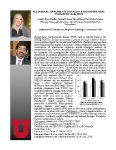
Show GENDER MINORITIES AND HEALTH CARE INEQUALITY: CONCERNS AT THE PROVIDER-LEVEL Calli Bennett1, Megan Reynolds2 1 Department of Anthropology, 2Department of Sociology An estimated 0.3-0.5% of the American population identifies as transgender. This modest estimate translates to at least one million transgender individuals living in the United States. Cisnormativity and the concomitant stigma surrounding gender-nonconformity lead to significant discrimination in the lives of transgender people. Research has shown that this discrimination extends to healthcare and originates from many sources, including institutions, health care policies, providers, etc. Focusing on the interactions between transgender patients and their physicians, this study examines physician-identified concerns to providing care to transgender patients. Employing both qualitative and quantitative questions, an electronic survey was emailed to physicians at the University of Utah. The data were collected and examined using an online mixed methods research tool. The results indicate that while the majority of physicians identified that they had at least one transgender patient, they were unfamiliar with the Endocrine Society’s recommendations for caring for transgender patients. The surveyed physicians identified several concerns with providing care to transgender patients, including transgender-specific healthcare needs, appropriate language/verbiage, and lack of training and knowledge. Further, they identified that additional support was needed to adequately care for transgender patients, including institutional support and increased education and training opportunities. |